Trend tracking: the old money aesthetic
There’s something undeniably appealing about a wedding that feels elegant without trying too hard. Think historic estates, beautifully tailored attire, garden florals, considered details and a sense of occasion that doesn’t rely on excess.
The old money wedding aesthetic has become a familiar presence in wedding inspiration, drawing on the style associated with established wealth, European heritage and generations of understated luxury. Rather than overt extravagance, the look favours classic silhouettes, muted colour palettes and details that feel as though they have a story to tell.
But the trend has also attracted criticism. With its associations with inherited wealth, privilege and exclusivity, the old money aesthetic raises questions about what we’re really aspiring to when we borrow from a lifestyle built around wealth and social status.
So, is it timeless style or simply another trend fuelled by social media? Perhaps it’s a little of both. When it comes to weddings, there are elements worth taking inspiration from, without feeling the need to recreate the lifestyle behind the label.
Table of contents
- What is the old money wedding aesthetic?
- The setting: character over extravagance
- Refined attire: classic with a personal touch
- A considered colour palette
- Florals that feel natural
- The details: less, but more meaningful
- Bring a contemporary touch
- The backlash: timeless style or romanticising wealth?
- How to achieve the old money wedding aesthetic on a budget
- Is the old money aesthetic here to stay?
- FAQs

What is the old money wedding aesthetic?
The old money wedding aesthetic is a style inspired by traditional luxury, heritage design and understated elegance. It typically features classic wedding attire, historic or character-filled venues, refined colour palettes, garden florals and carefully considered details rather than overtly extravagant styling.
The overall effect is polished but not overly showy, with an emphasis on quality, cohesion and a sense of timelessness.
For some couples, that might mean a heritage property, a classic black tuxedo and a beautifully tailored gown. For others, it could be a garden ceremony, seasonal flowers and an intimate reception with thoughtful styling.
While the look is associated with wealth and inherited privilege, couples can draw inspiration from its design principles without trying to recreate that lifestyle. The appeal lies in the details that feel considered and enduring, rather than how much a wedding costs or how exclusive it appears.
The setting: character over extravagance
Historic homesteads and estates, grand gardens and heritage properties are natural fits for this aesthetic, with architectural details and established landscapes providing plenty of character without requiring elaborate styling.
Think sweeping staircases, ornate windows, mature trees, manicured lawns and intimate garden spaces. These settings can provide a beautiful backdrop for a ceremony or reception while allowing the venue itself to do much of the work.
That said, you don’t need a grand estate to capture the feeling. Contemporary venues, elegant restaurants and spaces with beautiful natural surroundings can work just as well. Look for interesting architecture, thoughtful interiors or a connection to the landscape, then let those features guide your styling choices.
This might mean a country estate surrounded by established gardens, a historic homestead, a winery with beautiful natural scenery or a thoughtfully restored building in the city.
The key is to work with your setting rather than trying to transform it into something it isn’t.
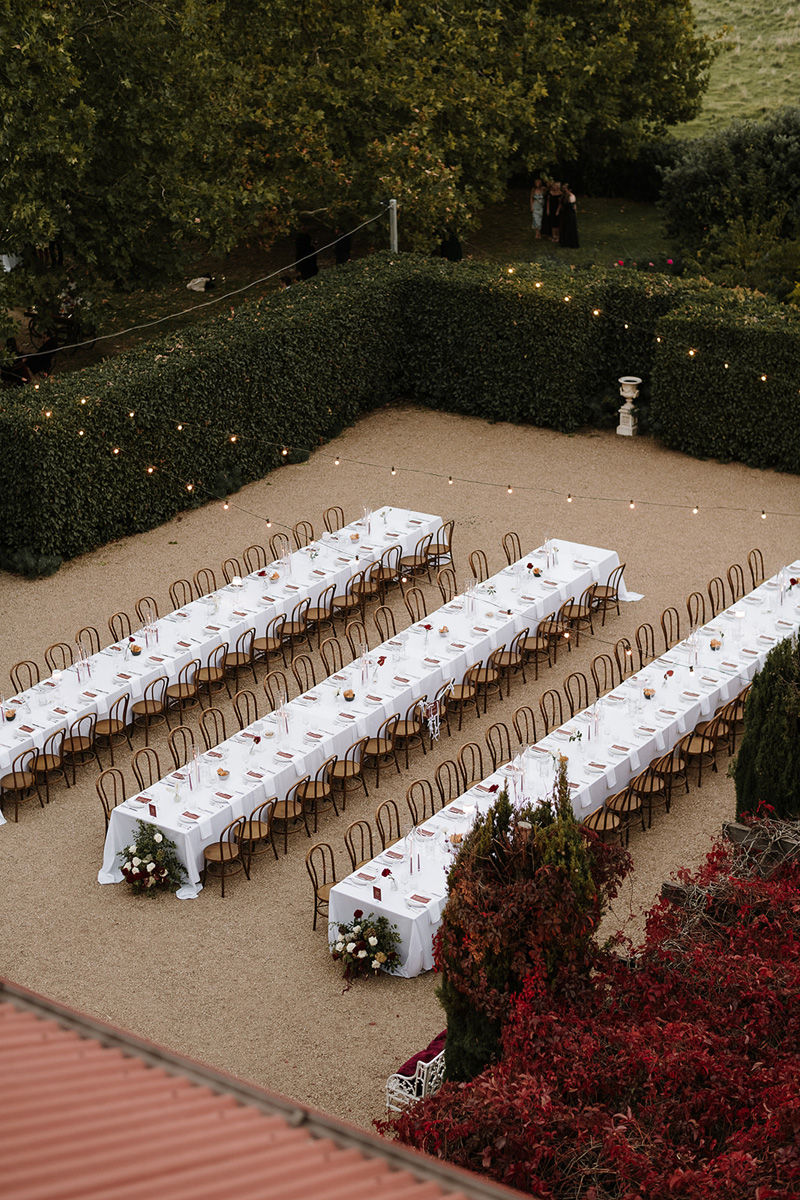
Bryony and Jack loved their setting and chose to embrace the season, incorporating autumnal tones that complemented the surroundings rather than competing with them. This considered approach carried through the rest of their wedding styling, creating a cohesive, timeless look that felt perfectly suited to the setting.

Refined attire: classic with a personal touch
Fashion is one of the most recognisable elements of the old money aesthetic, with an emphasis on tailoring, beautiful fabrics and silhouettes that feel considered rather than dictated by a particular season.
For brides, this could mean a structured silk gown, a clean strapless silhouette, elegant lace or a beautifully tailored design with minimal embellishment. For grooms, a classic tuxedo, a well-cut suit or traditional tailoring can create a similarly timeless effect.
Accessories can be equally understated: heirloom jewellery, a simple veil, classic pearl earrings or a pair of shoes chosen for their craftsmanship rather than their label.
But timeless doesn’t have to mean traditional, and refined doesn’t have to mean restrained in every sense. A dramatic neckline, an unexpected accessory or a second outfit for the reception can bring personality into the look while maintaining an overall sense of cohesion.
Choose pieces that feel like you, rather than dressing for an imagined version of wealth.
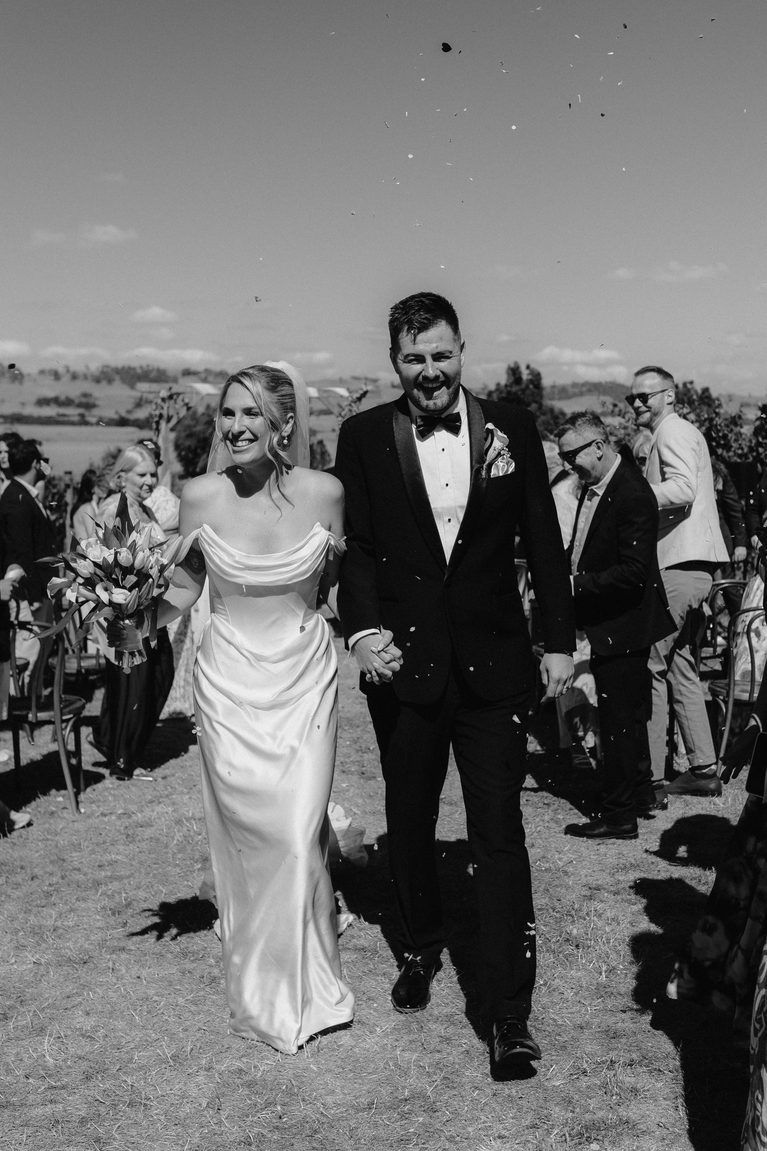
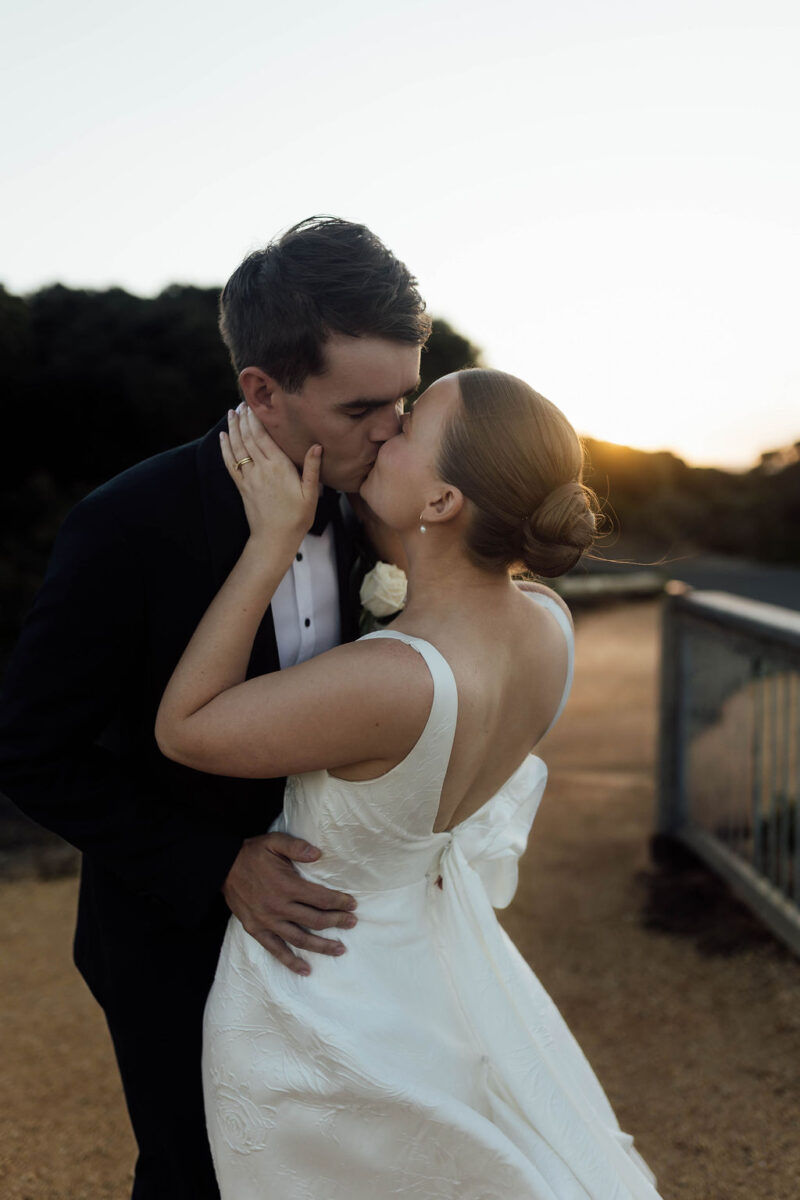
Eliza and Aaron embraced timeless elegance with a classic Luci Di Bella gown and a tailored suit, showing how considered silhouettes and a beautiful fit can create a look that feels sophisticated without being overdone.

A considered colour palette
The old money aesthetic often leans towards a restrained palette of ivory, cream, soft champagne, deep green, navy and warm neutrals. These tones can create a sense of cohesion across the ceremony, reception and overall visual styling.
Rather than relying on a long list of colours, consider working with a few complementary shades and introducing texture through linen, natural timber, stone, glassware and floral arrangements.
A tonal palette can feel sophisticated without being overly formal, while richer colours such as burgundy, chocolate or forest green can add depth and warmth.
And there’s no need to avoid colour altogether. A considered pop of colour, a favourite flower or an unexpected combination can bring personality to the overall look, making it feel timeless yet entirely your own.
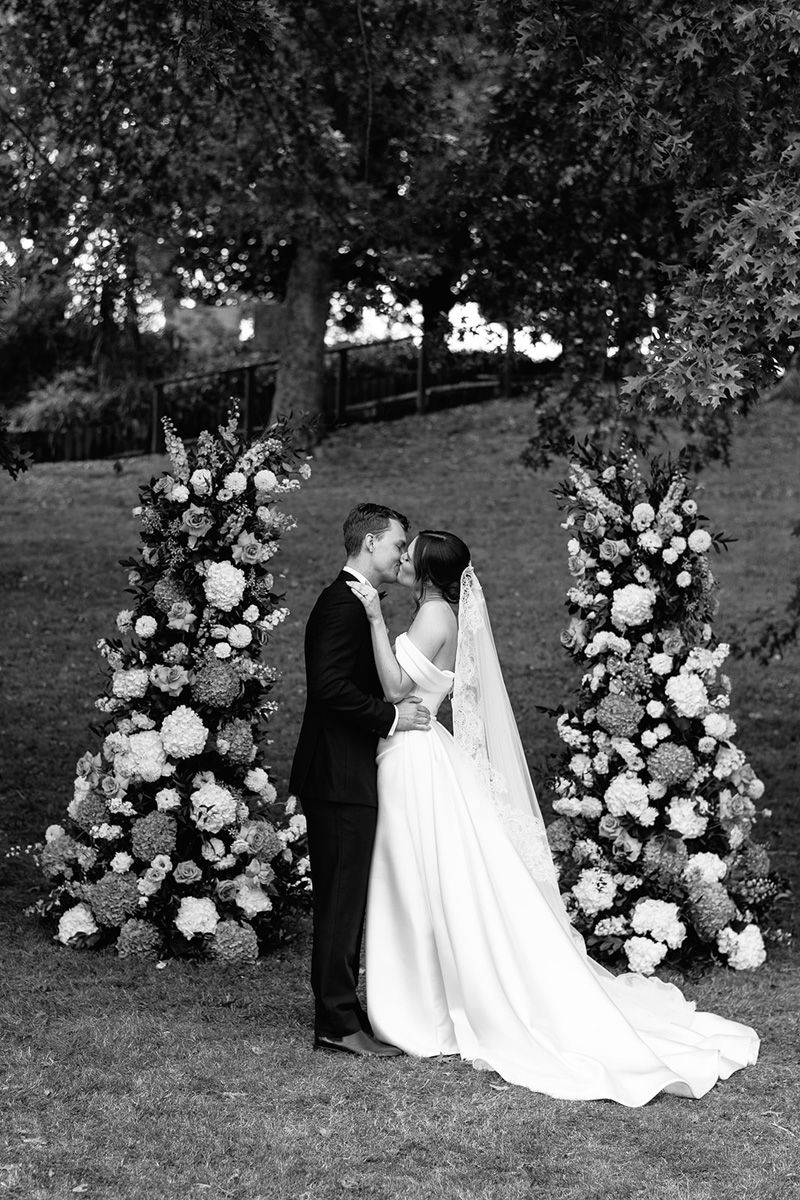
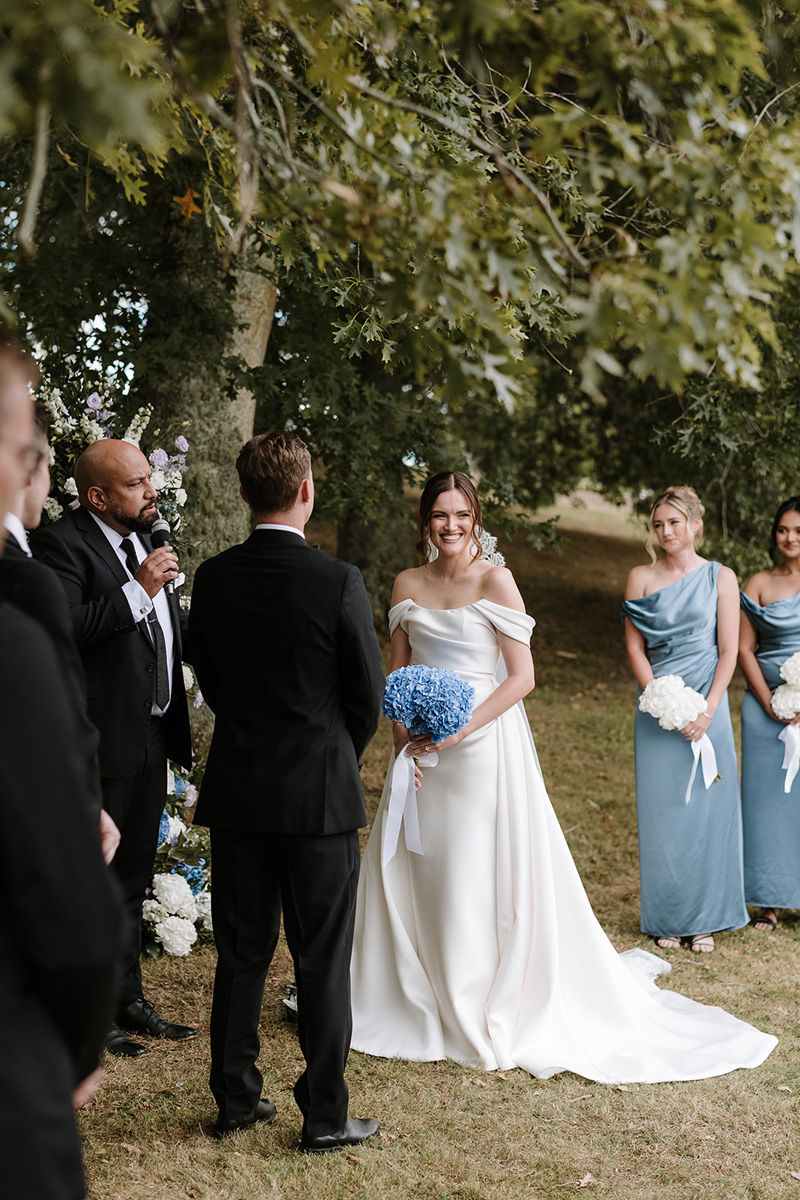
A timeless wedding palette doesn’t have to mean sticking to neutrals. Elise and Aaron worked with Elise’s mum, an artist, to create a beautiful cornflower blue palette, bringing the colour through their hydrangeas and bridesmaids’ dresses. The result felt cohesive and considered, while still reflecting their own style. A lovely reminder that colour, when thoughtfully used, can be just as timeless as a more traditional neutral palette.
Florals that feel natural
Florals are an opportunity to bring softness, movement and a sense of abundance to the old money aesthetic.
Garden roses, hydrangeas, peonies and seasonal blooms can work beautifully alongside trailing greenery, loose arrangements and sculptural branches. Classic vessels, vintage-inspired urns and low centrepieces can introduce a traditional element without making the styling feel overly formal.
Rather than focusing on the size or cost of an arrangement, think about how the flowers work with the venue and the atmosphere you want to create. A few well-placed arrangements can be just as effective as a room filled with blooms.
Seasonal flowers and locally grown varieties are also worth considering, allowing your floral choices to reflect the time of year and the landscape around you.
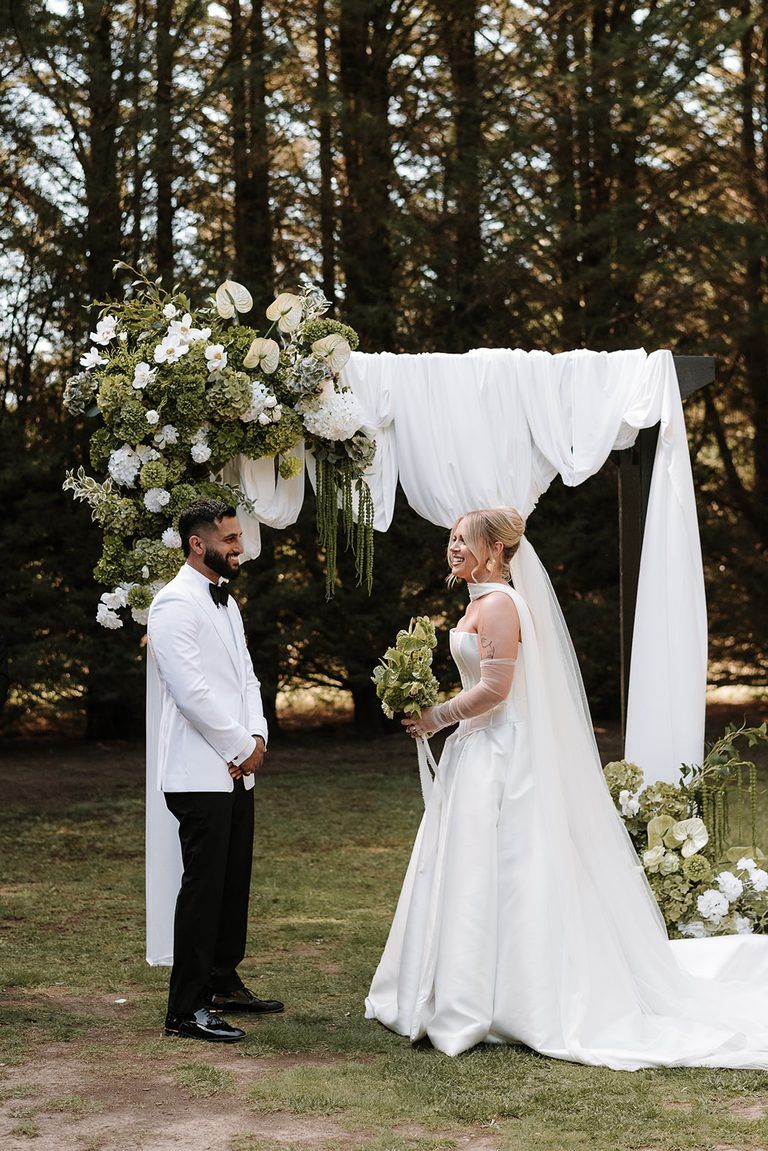
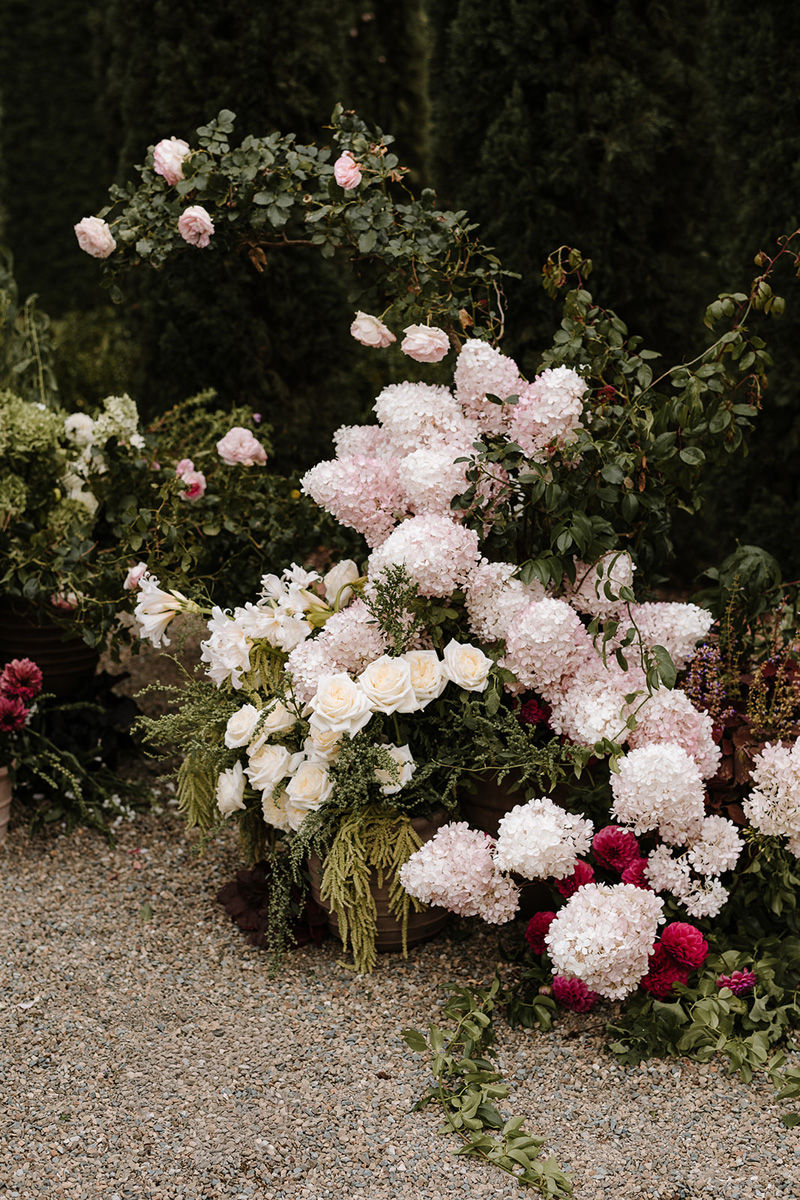
When it comes to old money wedding florals, simplicity can be just as beautiful as abundance. Chelsea and Jack chose timeless white and green arrangements that complemented the native landscape surrounding their wedding, allowing the natural setting to take centre stage. It’s a lovely example of how classic flowers, thoughtful styling and a sense of restraint can create an effortlessly elegant look.


The details: less, but more meaningful
The beauty of considered styling often lies in the details that bring everything together.
Handwritten stationery, beautiful table linen, vintage glassware, or a treasured heirloom can introduce character without overwhelming the space. Candlelight, thoughtful place settings and carefully chosen finishes can make a reception feel special while remaining relaxed and inviting.
This is also where couples can move beyond the idea of old money as an aesthetic to be copied. A family photograph, a handwritten note, or an object with personal significance can bring far more meaning to a celebration than a monogram chosen simply because it looks expensive.
The goal isn’t to make everything appear exclusive or unattainable. It’s to create an atmosphere where the details feel considered and connected to the people at the centre of the day.
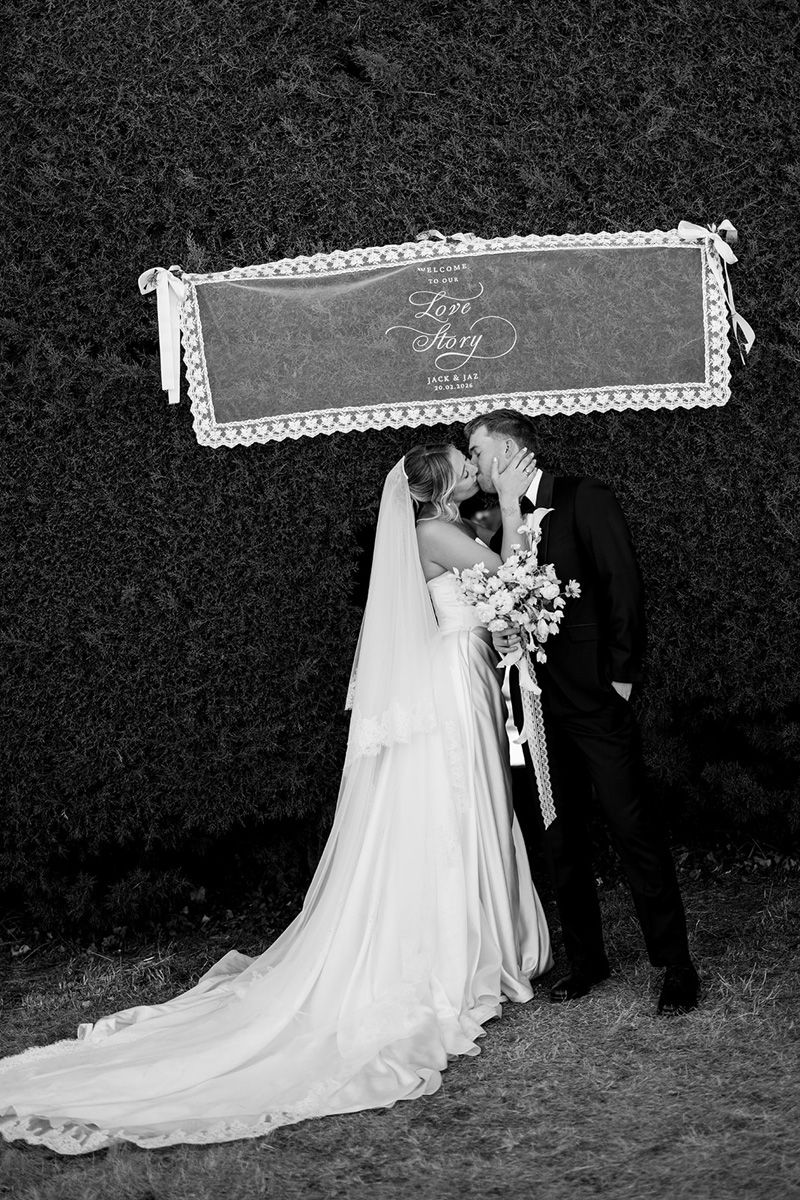
Jazmin and Jack incorporated lace signage and details into their wedding to honour Jazmin’s late grandmother and her love of sewing. A thoughtful nod to family history, it’s a beautiful example of how meaningful, heirloom-inspired details can bring depth and personality to a timeless wedding aesthetic.

Bring a contemporary touch
For all its references to tradition, the old money aesthetic doesn’t need to feel formal, predictable or stuck in the past.
A modern menu, a signature cocktail, contemporary stationery, a live musician or a DJ who knows how to fill a dancefloor can bring fresh energy to a more classic setting. Couples might also choose to change their look between the ceremony and reception, introduce a bold floral moment or embrace a less traditional approach to the evening.
In fact, some of the most memorable weddings are those that balance timeless design with unexpected details. The setting might be elegant, the styling considered and the fashion classic, but the experience should still reflect the couple and the way they want to celebrate.
After all, a wedding can be beautifully styled without feeling overly curated, and sophisticated without sacrificing fun.
Madi and Charlie embraced a vintage European garden-party aesthetic at Barunah Plains, balancing classic styling with contemporary touches, including a live pasta station. It’s a lovely reminder that timeless elegance can still feel relaxed, personal and full of personality.


The backlash: timeless style or romanticising wealth?
The popularity of the old money aesthetic has brought greater attention to the lifestyle it references, and not all of that attention has been positive.
Critics argue that the trend romanticises inherited wealth and the social advantages that come with it. The language of old money can suggest that certain lifestyles, family histories and levels of access are inherently more desirable than others. When that imagery is presented as the ideal, it can make an already expensive industry feel even more exclusive.
Social media can add to this pressure, particularly when aspirational imagery blurs the line between appreciating a style and feeling that a wedding needs to look a certain way to be considered beautiful.
There is also a contradiction in trying to recreate an aesthetic associated with generations of wealth through newly purchased luxury goods. What appears effortless in an image may involve considerable expense, planning and carefully staged presentation.
But appreciating classic design doesn’t necessarily mean endorsing the social structures associated with it.
Couples can love the architecture of a heritage venue, choose a beautifully tailored gown, work with seasonal florals and create a candlelit reception without buying into the idea that inherited wealth is something to aspire to.
Perhaps the more interesting question is not whether the old money aesthetic is good or bad, but which elements are worth keeping and which associations we can leave behind.
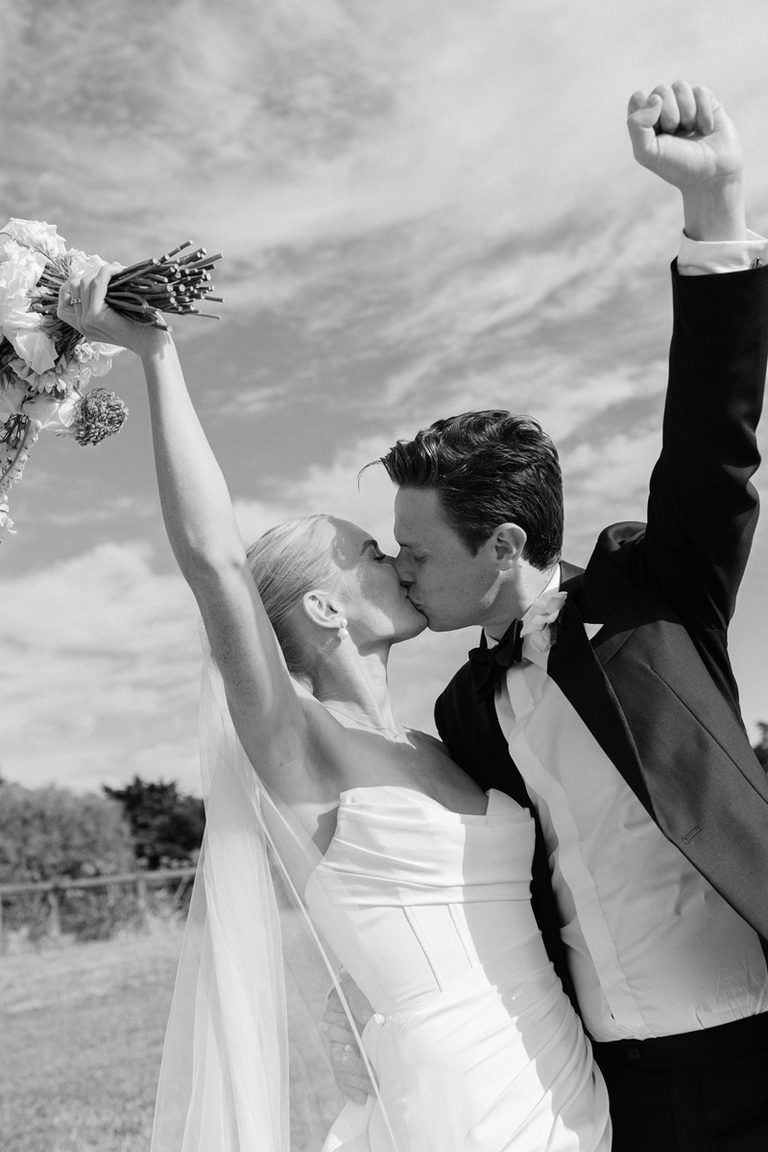
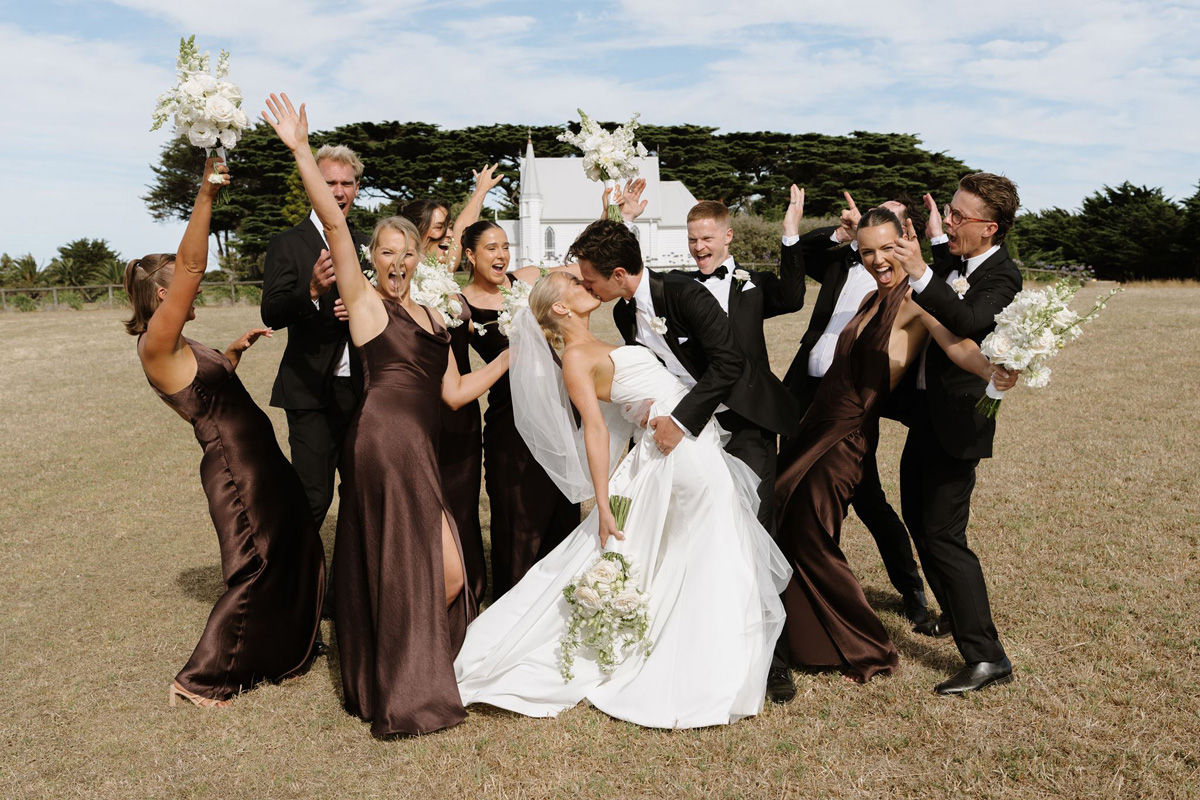
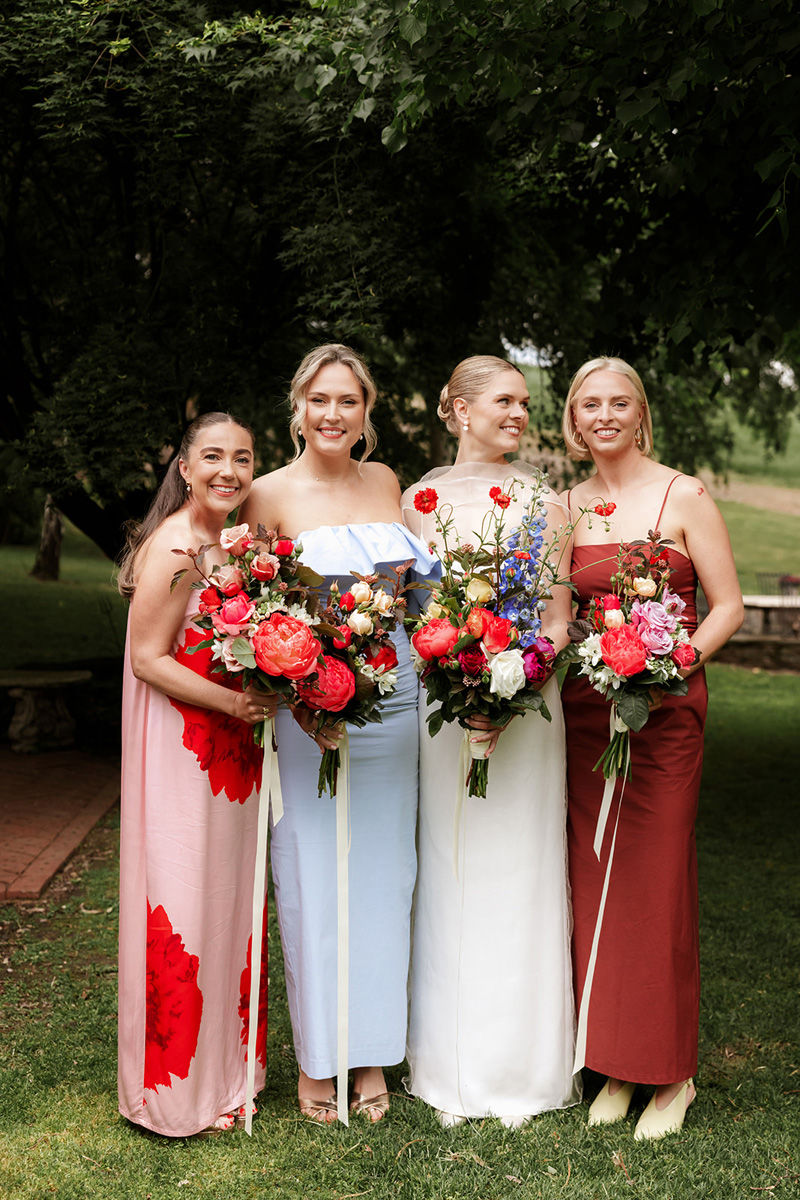
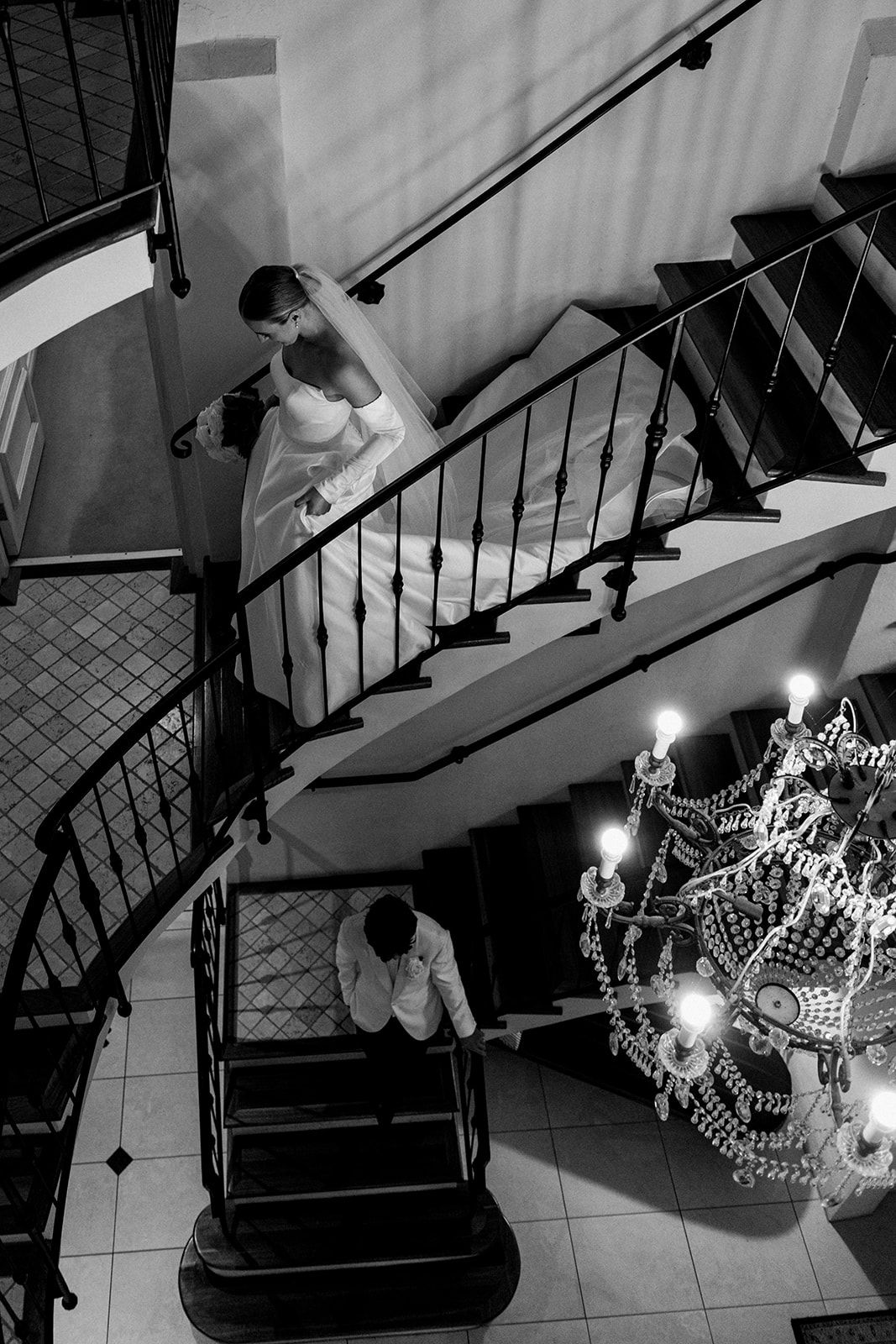
Old money style doesn’t mean every detail has to be traditional. Isabel and James paired classic tailoring and an elegant slip gown with colourful florals and mismatched bridesmaid dresses, showing how timeless foundations can still leave room for personality.
How to achieve the old money wedding aesthetic on a budget
You don’t need a lavish estate, designer labels or extravagant floral installations to create a wedding inspired by old money style. The most effective approach is to focus on a few thoughtful choices rather than trying to reproduce every element of the look.
Start with your venue. A space with character, beautiful gardens or interesting architectural features can provide atmosphere without requiring extensive decoration.
Choose a cohesive colour palette and build your styling around it. Quality-looking table linen, simple stationery, candlelight and carefully selected tableware can create a polished result without an elaborate budget.
Consider second-hand or borrowed accessories, vintage décor and family heirlooms. These can add history and individuality while being more affordable than buying everything new.
For florals, seasonal and locally available blooms can offer beautiful results. You might choose a statement arrangement for the ceremony and repurpose it for the reception rather than filling every corner with flowers.
When it comes to attire, focus on fit, silhouette and how you feel in what you wear. A well-fitting outfit that reflects your personality will always be more meaningful than a designer label chosen to signal status.
Ultimately, the goal is to create a celebration that feels considered and cohesive, not to spend money trying to make it look as though you have more of it.
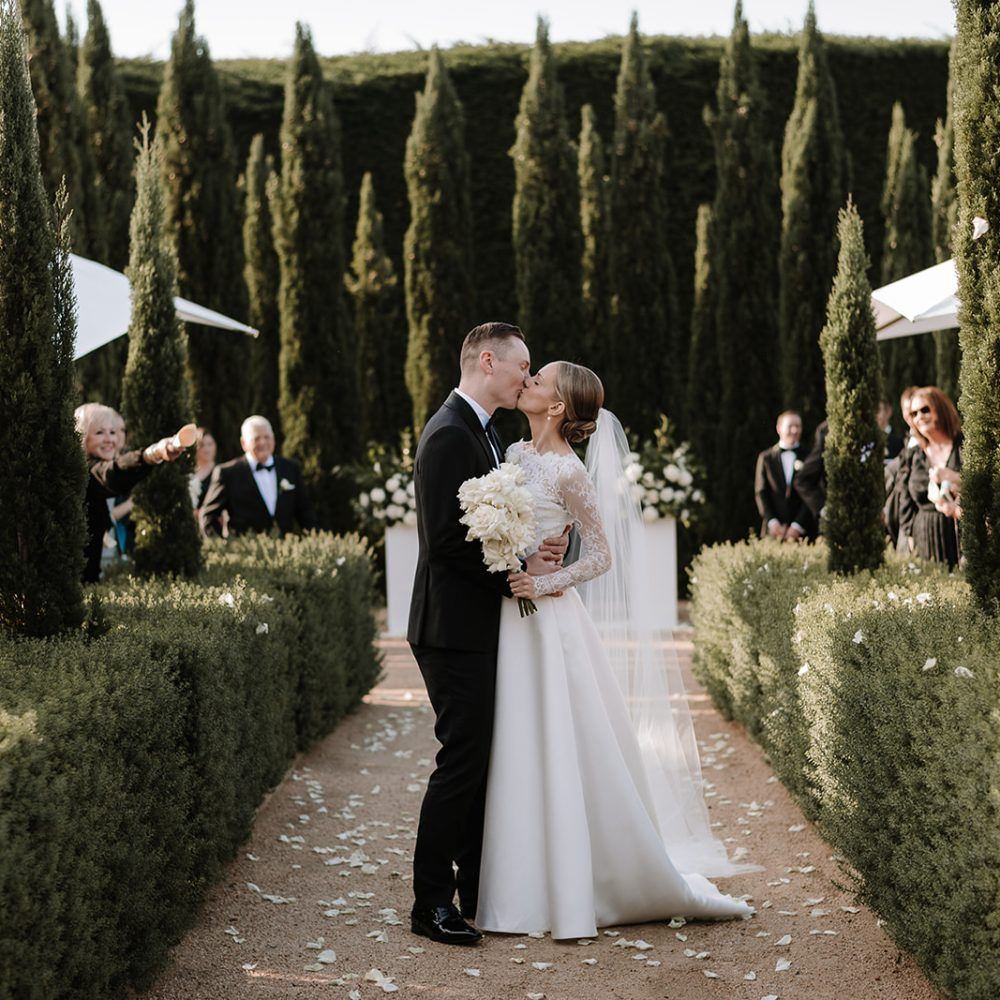
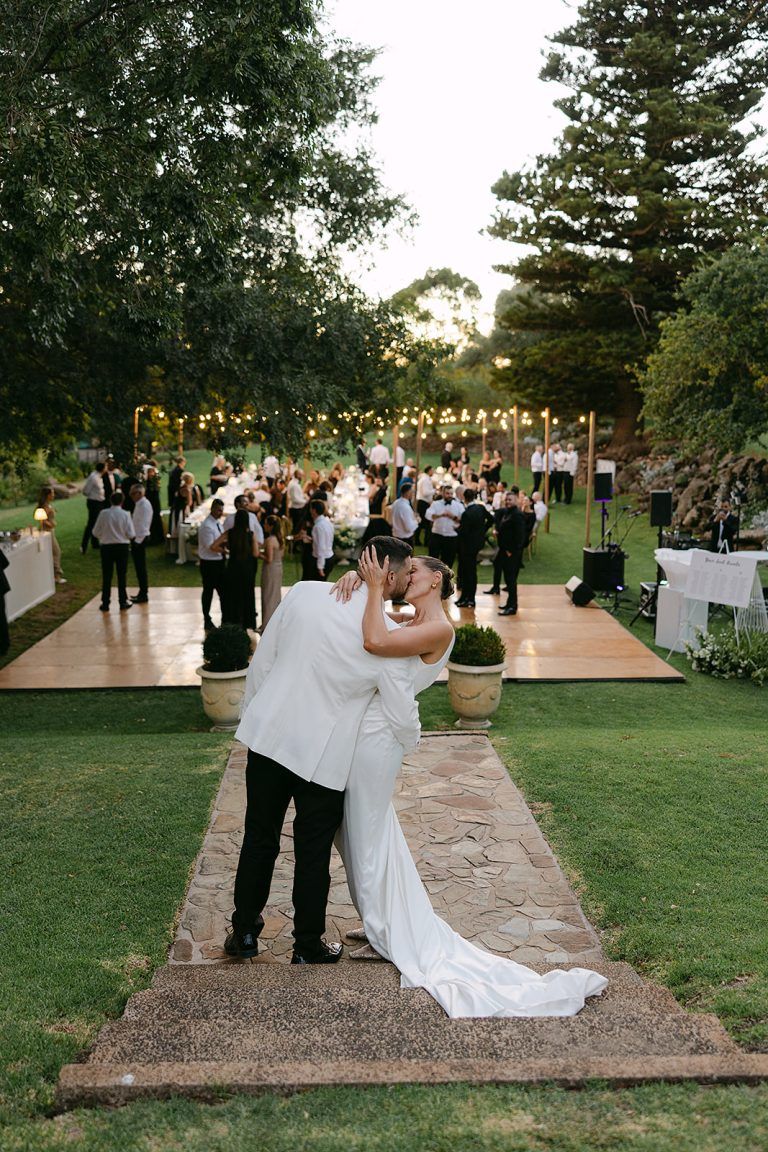
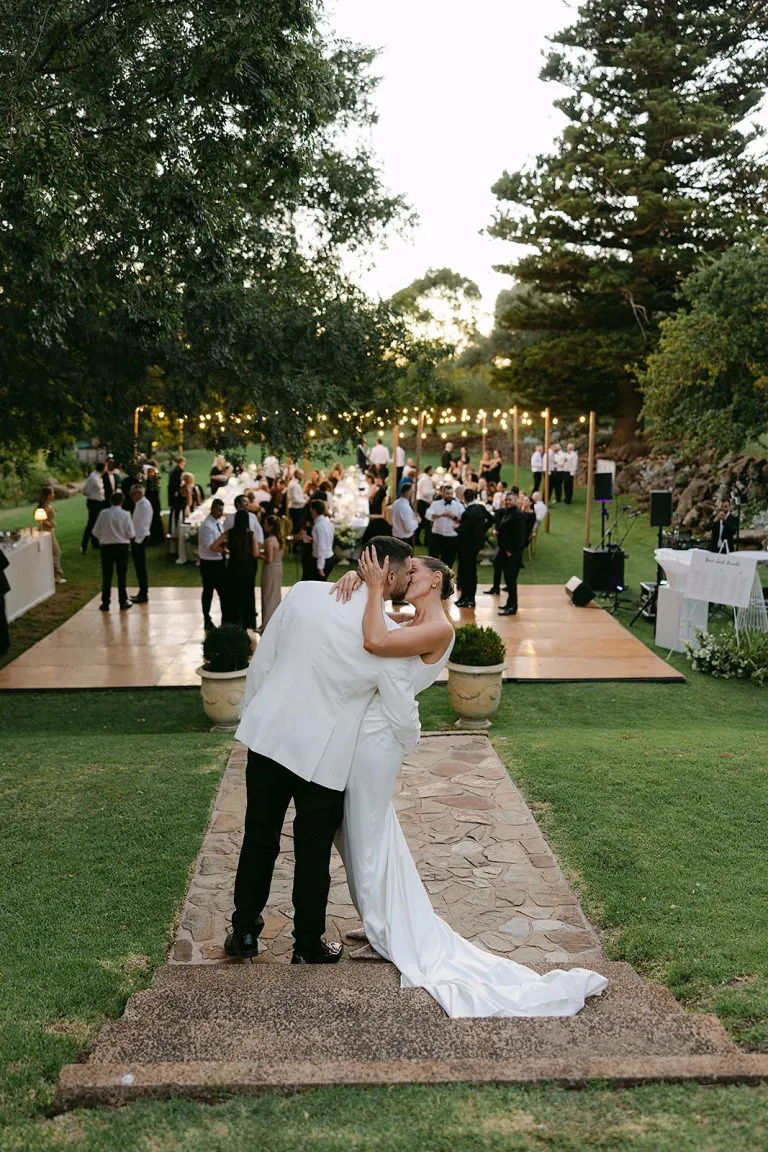
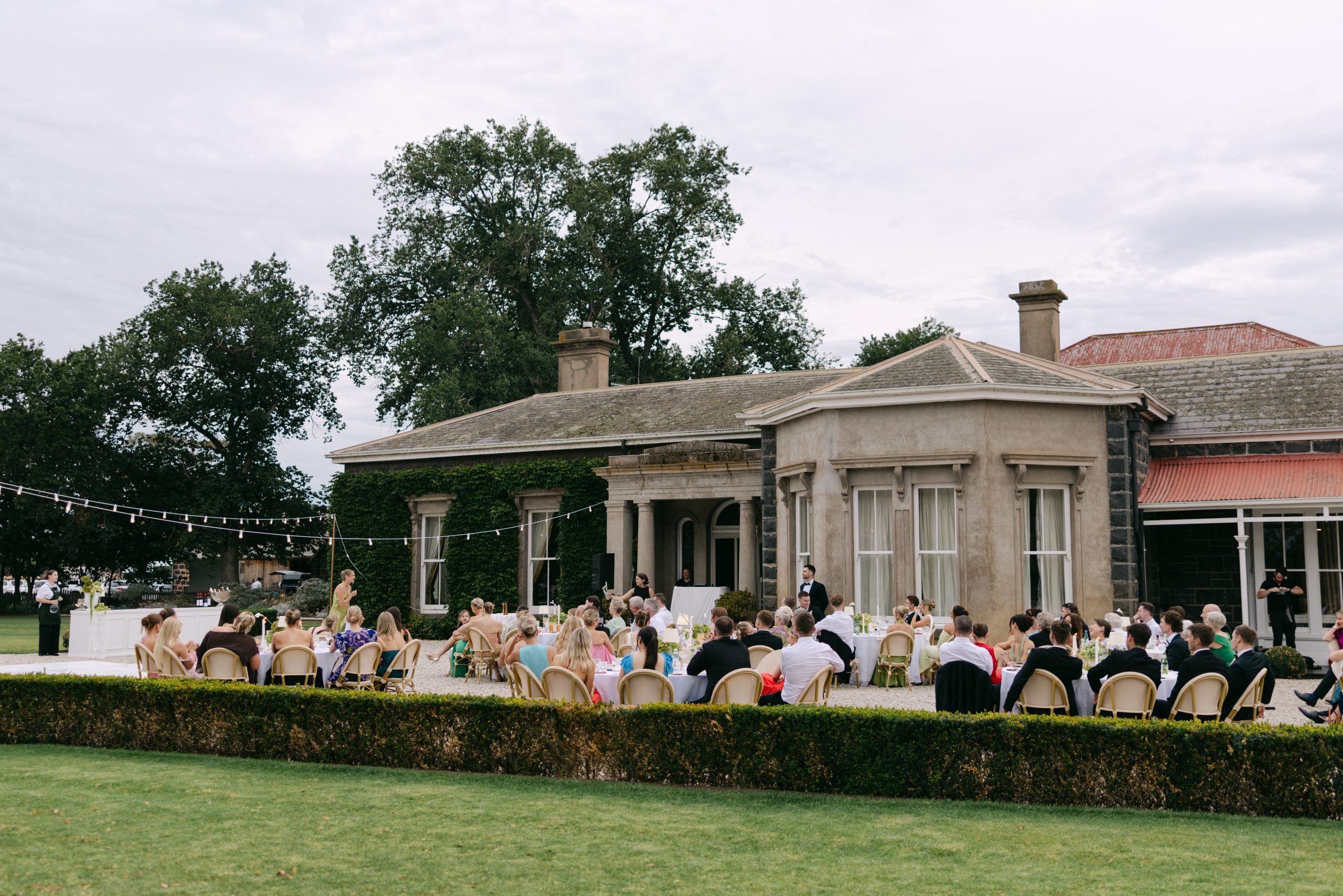
Meg and Michael’s open-air black-tie wedding at Woolbrook Homestead is a beautiful example of classic elegance, with tailored attire, fresh white and green florals and a stunning heritage setting. The styling feels refined yet relaxed, showing how timeless details can create a look that never feels overdone.
Is the old money aesthetic here to stay?
The old money aesthetic continues to offer inspiration for couples drawn to classic design, heritage details and understated elegance. At the same time, the criticism surrounding the trend is a reminder that aesthetics don’t exist in a vacuum.
There is a risk that, in trying to create a wedding that looks timeless, couples end up following another set of rules about what elegance should look like. A trend that promises individuality can quickly become a formula when everyone is working from the same visual reference points.
But timeless style doesn’t have to mean expensive, exclusive or traditional. It can be about choosing details with meaning, prioritising quality where it matters to you and creating an atmosphere that feels comfortable and welcoming.
Ultimately, the most compelling weddings aren’t defined by how closely they follow an aesthetic. They’re the ones where the setting, styling and atmosphere come together to tell a story that belongs to the couple.
Take inspiration from the old money look if it speaks to you, but make it your own. Timeless style isn’t about pretending to be someone else. It’s about choosing what matters, surrounding yourself with the people you love and creating a day that feels unmistakably yours.
We’re lucky to feature a beautiful collection of wedding venues that lend themselves to the old money aesthetic, from grand country estates and historic homesteads to elegant gardens and timeless country properties. Explore our venue directory to find the perfect setting for your celebration.
FAQs
Classic attire, heritage-inspired settings, restrained colour palettes, thoughtful florals and considered details help create the old money wedding aesthetic. The emphasis is on cohesion and timeless design rather than conspicuous luxury.
The aesthetic remains a recognisable source of wedding inspiration, particularly for couples drawn to classic styling and understated elegance. Its associations with wealth and privilege have also prompted criticism, making more personal interpretations of the look relevant to the wider conversation about wedding trends.
Focus on a few impactful choices, such as classic attire, a cohesive colour palette, seasonal flowers and thoughtful table styling. Vintage finds, borrowed accessories and venues with natural character can help create the look without relying on expensive designer labels or elaborate décor.
The terms overlap, but old money draws more heavily on heritage, tradition and visual cues associated with established wealth. Quiet luxury generally emphasises understated design, quality materials and subtle branding. Both can inspire wedding styling without requiring a particular price point or lifestyle.
Love timeless wedding inspiration? From elegant styling and beautiful real weddings to the latest trends and ideas, subscribe to the Ivory Tribe newsletter for inspiration to help you plan a day that feels uniquely yours. Sign up to our newsletter.