Building your financial future: Mel Browne’s smart wedding budgeting guide.

There’s a delicate balance between creating an unforgettable celebration and establishing a strong financial foundation for your future together. We’re thrilled to have our favourite financial expert, Melissa Browne, share her wisdom on approaching wedding budgeting with intention, mindfulness, and a focus on what truly matters.
Along with truly invaluable insights, Mel shares practical tools and strategies to ensure your wedding vision aligns with your long term financial goals, and your marriage begins on a strong financial foundation.

Beyond the “average” budget.
“When I see couples plan their wedding, I’m concerned they’re basing decisions on what their peers are spending, what they’re seeing on social media or their desire for a fairytale day,” says Mel. “While it’s a significant occasion, it’s important to remember it’s one day, and starting married life in financial distress isn’t ideal.”
Rather than adhering to generic recommendations like allocating 10-15% of your savings or fixating on the average Australian wedding cost (approximately $40,000), Mel encourages couples to reject these benchmarks in favour of a more personalised approach.
“What’s reasonable will vary from couple to couple. When you see figures out there, approach them with curiosity, as ‘that’s interesting to know’ but then ask, ‘what’s actually right for us?'”
Aligning with your financial values and long-term vision.
The most meaningful celebrations reflect a couple’s authentic priorities rather than external expectations. Mel suggests beginning with honest conversations about what aspects truly matter to both of you.
“If photography is what you value most, you might prioritise spending on an exceptional photographer and perhaps your attire while scaling back on food and venue costs.”
These discussions should extend beyond the wedding day itself to include other significant goals—whether that’s purchasing property, starting a family, or planning extended travel.
Consider what your asset position and savings are like currently, what your financial goals are and when you want to stop working. Working out how the cost of your wedding may impact those goals can help make the figures on paper more of a reality than an intangible wedding budget.
“What we don’t want is to put financial goals in jeopardy when a wedding really is just one day. Prioritise what is important to you and what you are happy to push back on, and then you can decide what to spend money on.
We don’t want to start a marriage under financial hardship when we already know money is the number one source of relationship conflict, according to Relationships Australia.”

Establishing healthy financial foundations.
Rather than see the process of wedding budgeting as a downer in what we hope to be a joyful process, perhaps flip the narrative to look at it as a chance to develop healthy long-term practices. Your wedding planning journey offers a unique opportunity to develop communication patterns and financial habits that will serve your relationship long-term.
Mel recommends exploring financial conversations with your partner, using questions like:
- How did you grow up talking about money?
- What are your core beliefs about finances?
- What financial values are most important to you?
“If one of you grew up terrified of debt while the other believes in living for today, you can imagine how problematic that might be. Establishing healthy dialogue about finances now will only serve you better later.”
If you’re finding it hard to talk about money when discussing the wedding, this is a beautiful time to address that,” Mel notes. “You might decide to speak with a therapist if money conversations are already creating tension, or simply have curious conversations about your money stories and how they differ, seeking to find a strong balance. Figuring out what your money values are and what is important to you sets up some great financial habits for your future.”
Using your wedding planning as a time to strengthen and consolidate your financial beliefs as individuals and a couple is a huge step in ensuring you have a solid foundation beyond your I-Dos.
Navigating today’s economic realities.
With inflation impacting every aspect of our lives, wedding costs are no exception. Mel offers practical strategies for navigating this challenging landscape:
- Set a clear maximum spend. Be decisive about your absolute ceiling.
- Prioritise what matters most. Whether it’s guest experience, stunning photography, or exquisite dining, identify your non-negotiables.
- Get creative with resources. “Are there talented friends or family members who might contribute their skills as a wedding gift? A friend who creates incredible desserts or another who’s a skilled photographer?”
- Consider timing. Are you in a position to get married in the way you would like right now? Some couples are choosing an elopement or micro-wedding now, with a larger party planned for further down the track when finances are more robust.
Mel shares her own experience: “For our wedding, my husband’s father had advanced dementia. Our biggest value was ensuring he could be present, so we hosted at home—the only way he could participate. We allocated the majority of our budget to exceptional food. We still had a string quartet and dancing; it was magical despite being at home because we centred our plans around what mattered most to us.”
Practical tools for success.
For couples wanting to maintain financial discipline while planning, Mel recommends:
- Develop good financial literacy – (courses like Mel’s My Financial Adulting Plan are an excellent place to start!), building healthy money habits and knowing how to invest for long and short-term goals.
- Create a dedicated wedding account where you both automate regular contributions in order to reach the financial goal you’ve set for yourselves.
- Consider making it two-to-sign to protect those funds and consolidate trust
- Schedule monthly check-ins to review progress and adjust plans
- Continue these financial habits after the wedding for other shared goals
The one piece of financial advice Mel wishes more couples knew before starting wedding planning.
“That it is one day. I wish more couples planned as thoroughly for their long-term goals as they do for their wedding,” Mel reflects.
“Because what I see too often is couples beginning marriage in financial distress from their wedding and feeling that they don’t have great language around money. This often causes contention right from the beginning of their marriage. So, sitting down together, figuring out what you value, what’s the maximum we’re going to spend and working out together what’s important to us is really the key to start planning. And, if you need help with that, courses like mine exist, and great therapists are out there. And there is no shame in asking for that help.”
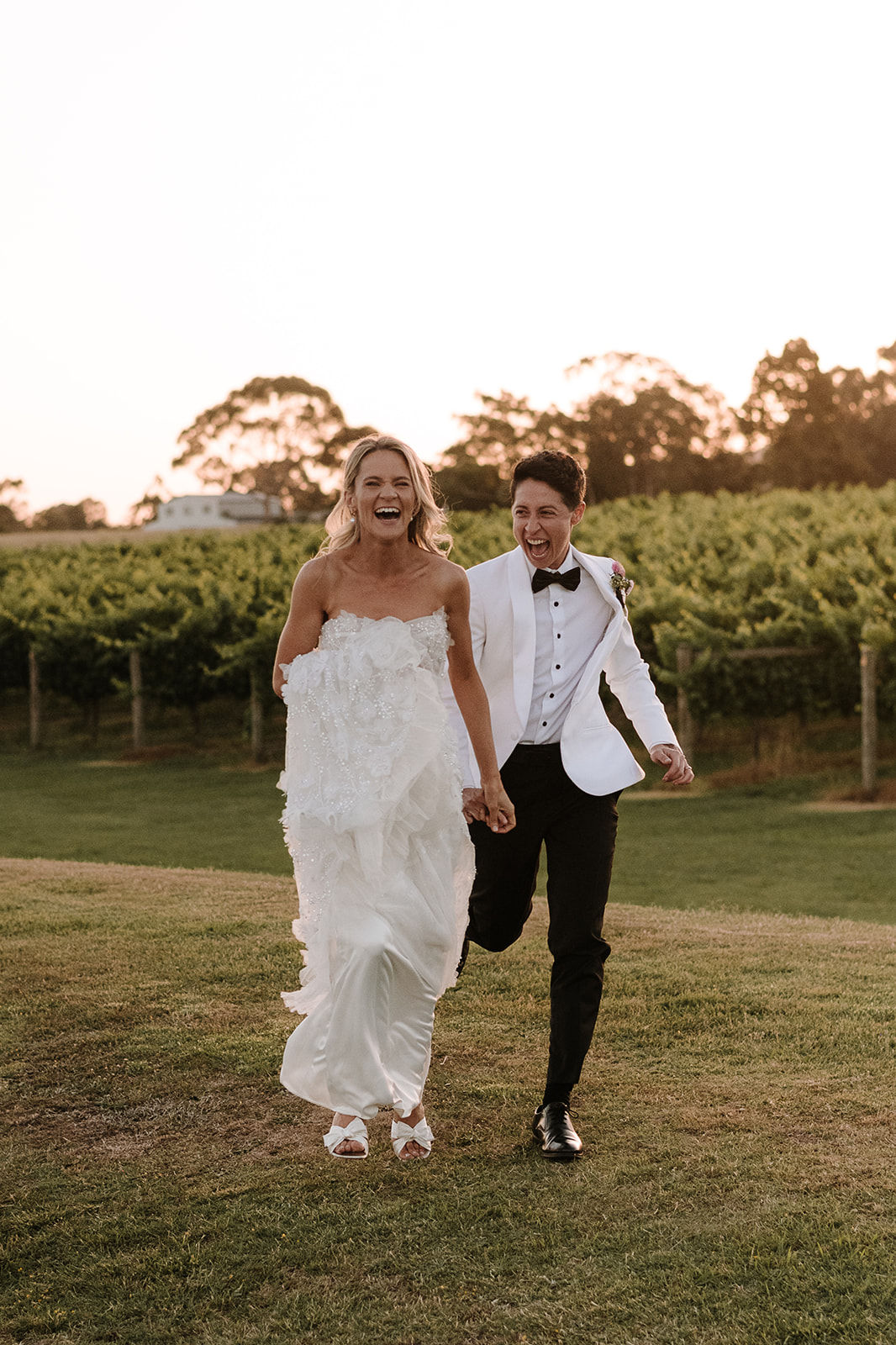
Whether you’re planning an elaborate affair or an intimate gathering, approaching your wedding with financial mindfulness creates space for what truly matters—celebrating your commitment while building toward a secure and joyful future together.
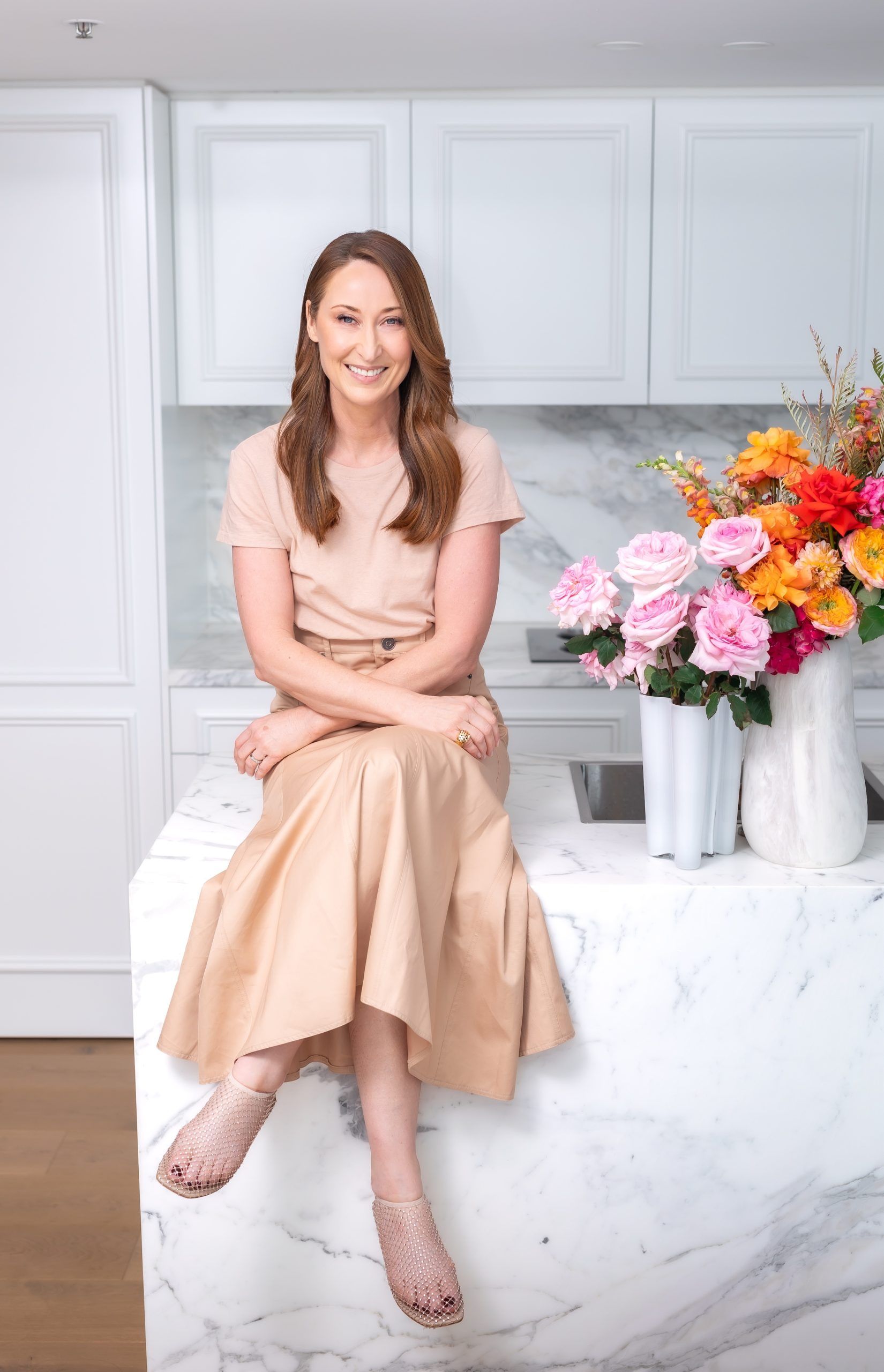
Melissa Browne is a financial advisor, author, owner of many gorgeous pairs of heels and founder of My Financial Adulting Plan, helping couples develop financial literacy and create sustainable money habits.