Choosing a wedding ring that keeps up with your everyday life
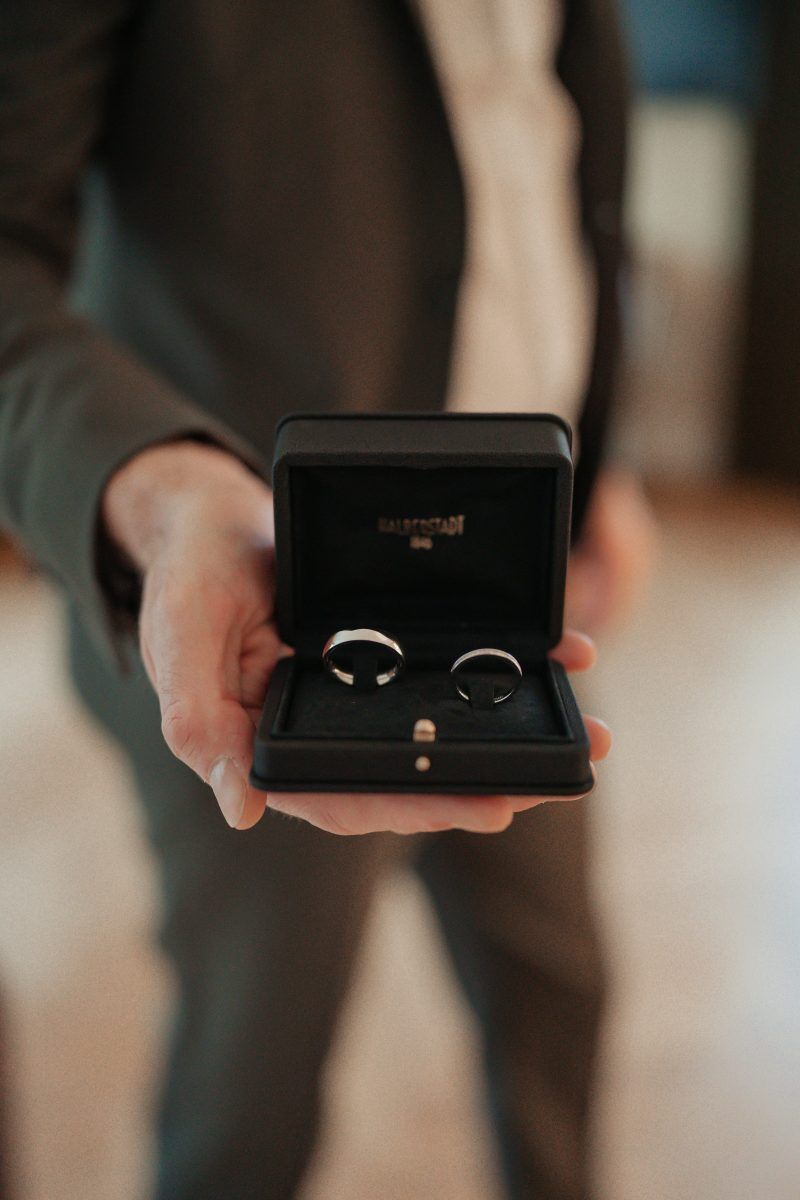
There’s a quiet moment after the wedding where everything settles. The outfit is packed away, the flowers are long gone, and your camera roll is full. Life picks back up at its usual pace.
Your ring is one of the few things that stays.
It slips into your daily routine without much fuss. You notice it when you’re tapping your coffee cup, resting your hand on the steering wheel, or carrying groceries in from the car. And then, gradually, you stop noticing it altogether, which is kind of the point.
Choosing a wedding ring is much more than about how it looks on the day. It’s about how it feels on a random Tuesday, when you’re halfway through work, running late, or distracted by everything else going on.
Thinking beyond the wedding day

Once you start thinking about your ring in that context, your priorities tend to shift. You start considering how it fits into your day. How it feels when you’re typing for hours, whether you take it off before a workout, or if it’s going to handle weekends away, home projects, or work that’s a bit more physical.
I’ve seen couples realise this after the fact. They choose something that looks right in the moment, but doesn’t quite sit comfortably once real life kicks back in. Over time, that’s what becomes noticeable.
A ring that works well is usually the one you don’t have to think about. It doesn’t interrupt what you’re doing or need constant adjusting. It just becomes part of your routine, in the same way your watch or your favourite pair of shoes does.
Materials for everyday wear in men’s rings
There’s been a noticeable shift in how couples are approaching men’s rings, especially when everyday wear is part of the conversation from the beginning.
Traditional metals are still part of the mix, but they’re no longer the automatic choice. More often, the decision starts with lifestyle, then moves into material.
Gold continues to appeal for its warmth and familiarity. It carries a sense of tradition that many people still value, especially for something as symbolic as a wedding ring. At the same time, it’s a softer metal, which means it will show signs of wear. Some people like that lived-in look as it develops over time, while others find themselves being more careful with it than they expected.
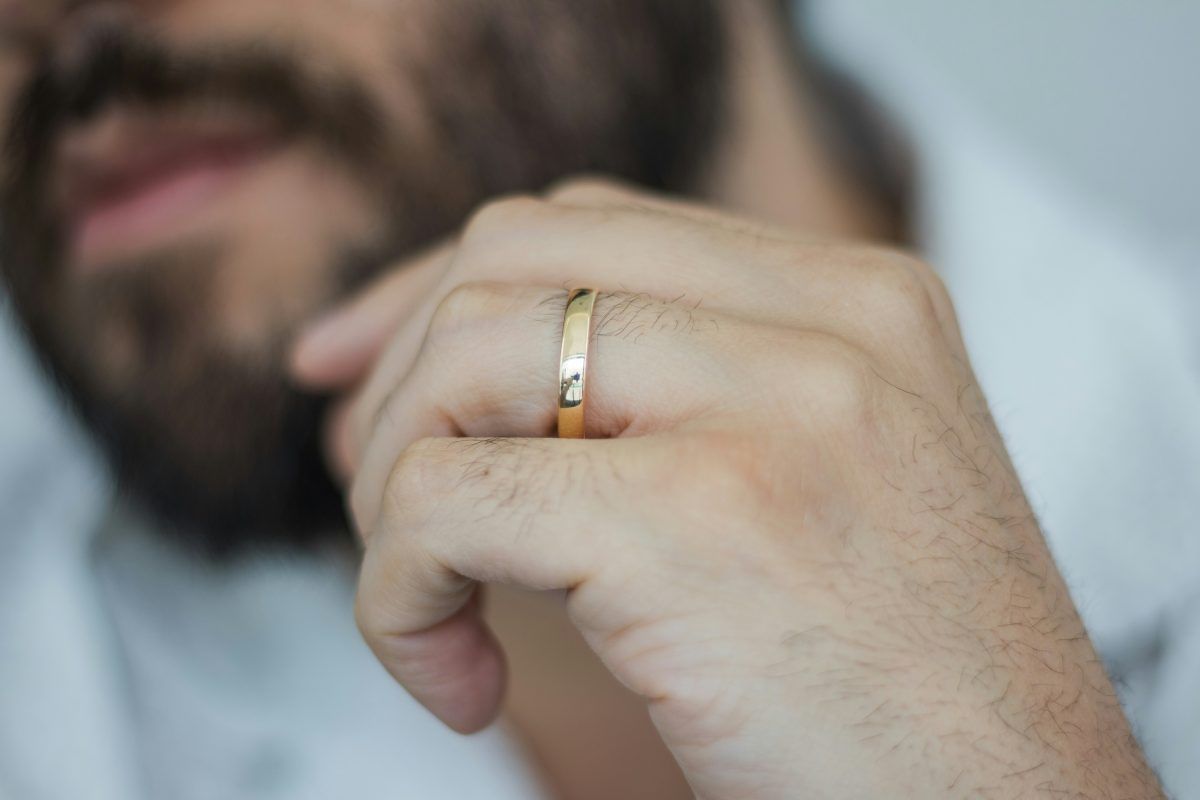
Stainless steel sits in a similar space, offering a balance between durability and everyday wearability. It’s more resistant to scratches than gold and holds its finish well over time, which makes it a practical option if you want something low-maintenance.
It also has a slightly lighter feel on the hand, which can suit those who prefer something less noticeable throughout the day. The look is clean and modern, without feeling overly polished or formal, making it easy to wear across different settings.
Built for strength and structure
For anyone whose day involves movement, tools, or hands-on work, durability tends to shape the decision fairly quickly.
Tungsten has become a popular choice for that reason. It’s significantly stronger than gold and highly resistant to scratches, which means it keeps its finish even with regular wear. You’re less likely to notice those small marks that build up over time with softer metals.
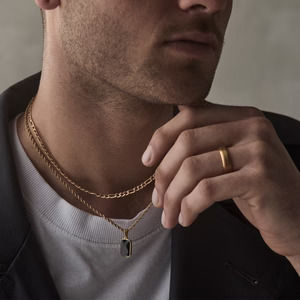
There’s also a certain weight to tungsten that people tend to notice straight away. It feels solid and grounded on the hand, which some prefer, especially if they like the presence of a ring rather than something barely there.
Titanium offers a different take on durability. It’s strong, but much lighter, which can make it more comfortable if you’re not used to wearing jewellery every day. It tends to suit those who want something low-profile that still holds up over time.
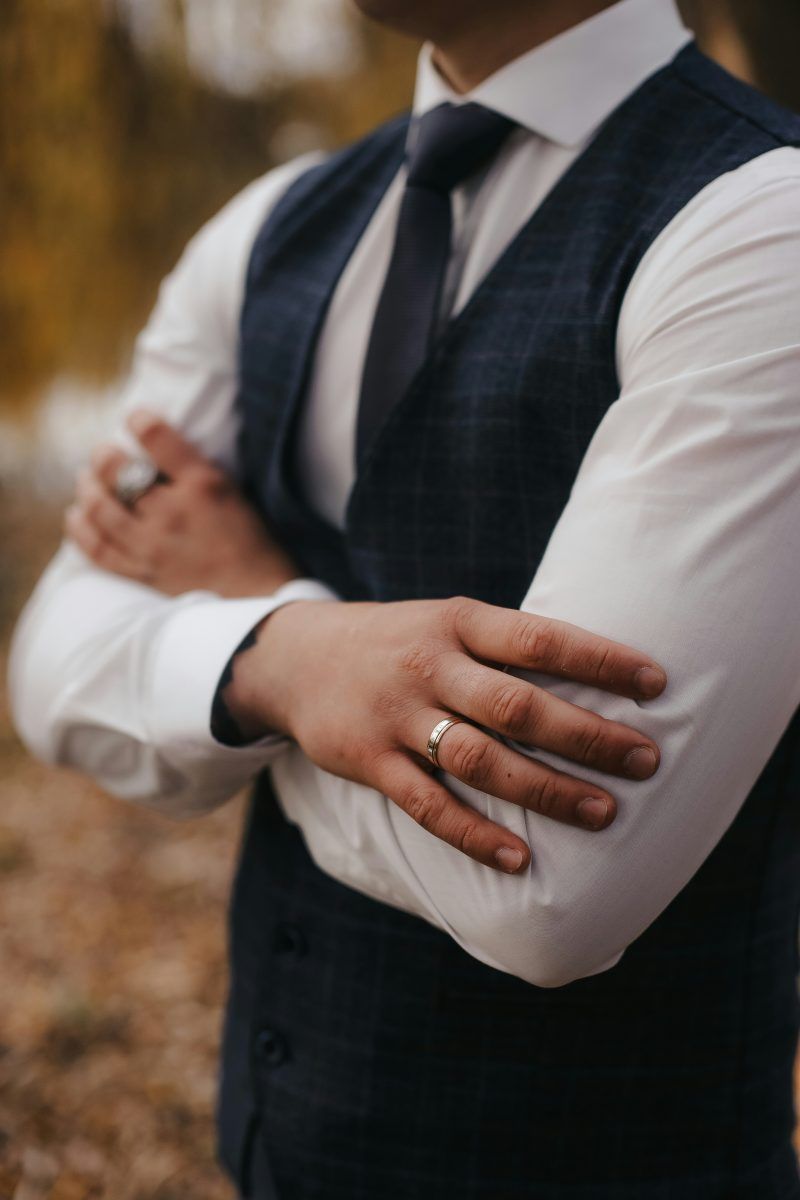
It often comes down to what feels right when you wear it. Some people prefer that sense of weight, while others want something they hardly notice.
Designed for movement and flexibility
Then there are moments where even the most durable metal isn’t the right fit.
Silicone rings are designed for flexibility, both in material and in how they fit into your routine. They’re lightweight, soft, and easy to wear through workouts, travel, or work environments where safety matters.

You don’t need to take them off or think about where to store them. They move with your hands and adapt to what you’re doing, which makes them an easy option for more active parts of your day.
For many people, they sit alongside a metal ring rather than replacing it. Something you reach for when comfort and ease are the priority.
One ring doesn’t have to do everything
It’s becoming more common to take a flexible approach. What works for one part of your day doesn’t always suit another, and that’s completely fine.
Some people wear a more structured ring day to day, then switch to something lighter when they’re heading to the gym or travelling. Others keep both options on hand and change depending on what the day looks like.
It takes the pressure off finding one perfect ring that does everything. Instead, you end up with something that actually fits your life as it is, not just how you imagine it.
Balancing practicality with personal style
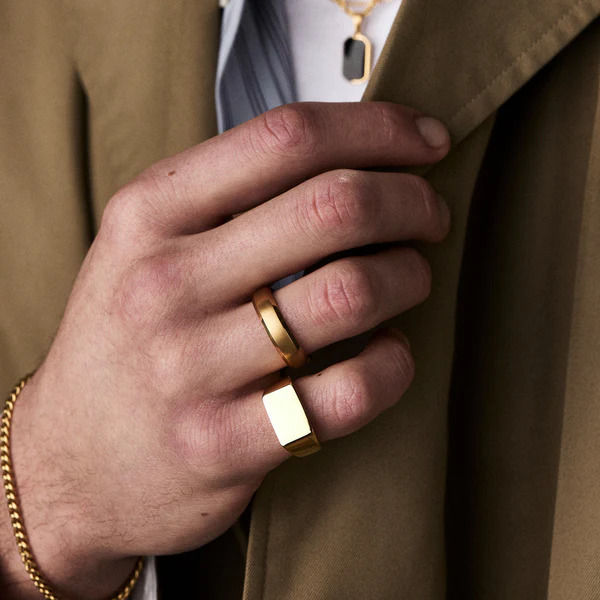
Of course, how a ring looks still matters. You’re wearing it every day, and it should feel like something you chose with intention.
The difference now is that style and practicality tend to sit side by side. Materials like tungsten, titanium, and silicone are being designed with more attention to detail, so they feel considered without being overly delicate.
Whether you lean towards something minimal or slightly more defined, there’s room to find a balance. It doesn’t need to be complicated.
What matters more is how it feels once it becomes part of your routine. That’s where personal style tends to settle in naturally.
A ring that settles into everyday life
Over time, the right ring becomes something you stop thinking about in a conscious way.
It’s there when you need it, and easy to forget when you don’t. It doesn’t interrupt your day or ask for attention. It just fits into the rhythm of everything else.
And that’s usually when you know you’ve chosen well.