How to make a ceremony feel personal (not cringe!)
Estimated reading time: 12 minutes
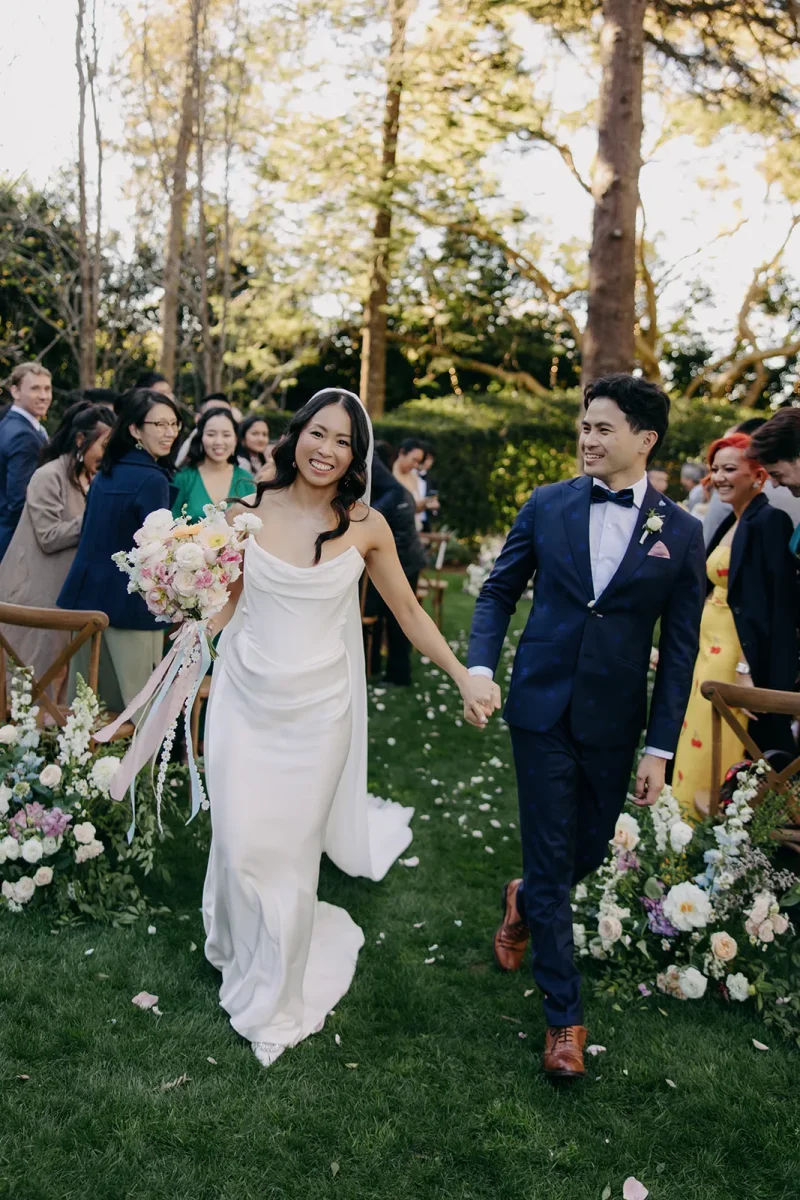
How do you make a wedding ceremony feel personal?
A ceremony feels personal when it’s authentic – when the people, words, and moments genuinely reflect who you are as a couple. This doesn’t necessarily require grand gestures or performative elements. The most memorable ceremonies happen when couples are intentional about what they include, thoughtful about how they share their story, and confident enough to leave out traditions that don’t resonate.
There’s a delicate balance between meaningful personalisation and moments that make everyone (including you) uncomfortable. The difference? Authenticity. When personalisation comes from a genuine place rather than a desire to be unique for the sake of it, your ceremony will feel intimate, not awkward.
Before you plan every detail, here’s what makes ceremonies feel personal according to our celebrants, who’ve seen hundreds of couples beautifully navigate this balance.
Table of contents
- How do you make a wedding ceremony feel personal?
- What elements make a wedding ceremony legally required?
- How do celebrants create authentic, personal ceremonies?
- What are creative ways to personalise your ceremony?
- Should you include traditional ceremony elements?
- How Do You Avoid Cringe?
- What tone should your ceremony have?
- How to create a personal ceremony: practical steps
- Final thoughts: personal doesn’t mean complicated
- Frequently Asked Questions
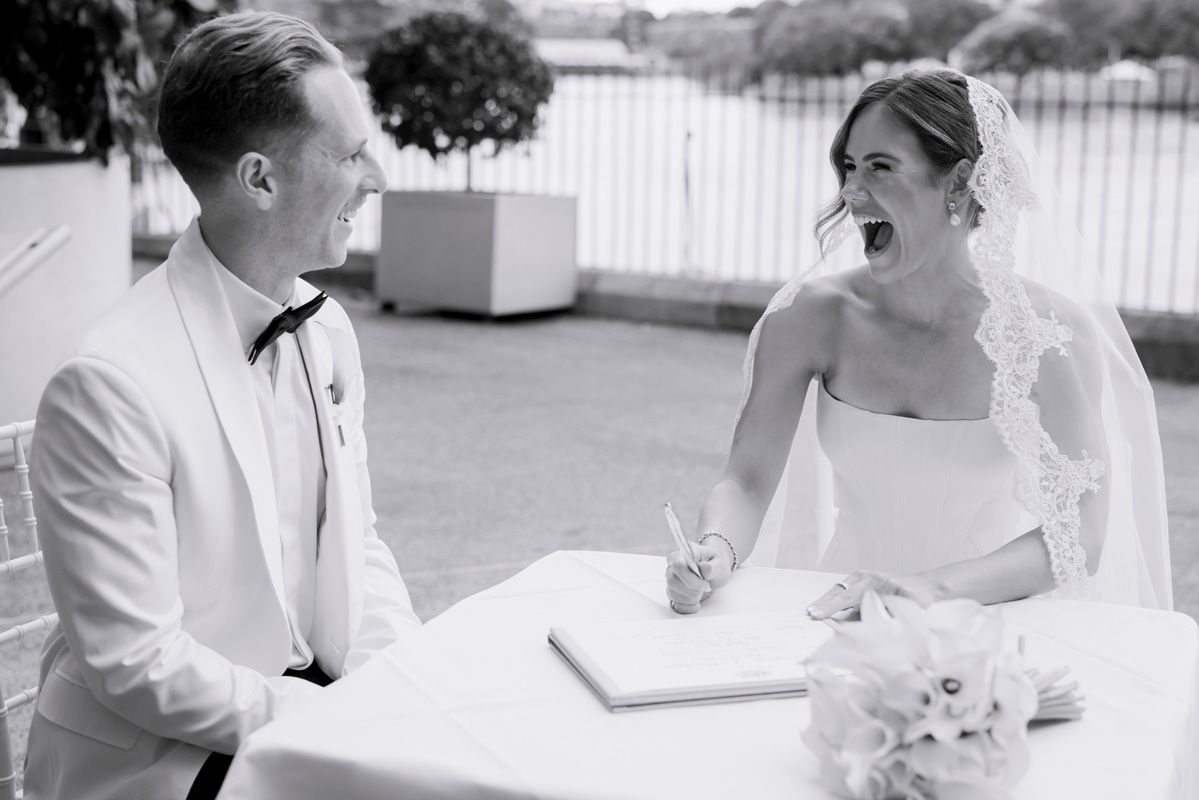
What elements make a wedding ceremony legally required?
Very little is legally required to make your marriage ceremony official, which means almost everything else is yours to personalise. Understanding what must stay versus what’s optional gives you freedom to create a ceremony that genuinely reflects you.
Sheri from Northside Nuptials explains: “There’s very little required by law to make your marriage ceremony legal, so ceremonies can feel personal by being selective with not just the traditions you would like to keep in, but also in what you decide to leave out!”
Legally required elements in Australia:
- Celebrant must be registered
- Both parties must consent
- Specific legal wording (including the legal vows and Monitum)
- Two witnesses over 18 years old
- Marriage certificate signing
Everything else is optional:
- Giving away or walking down the aisle
- Readings or poems
- Personal story – length, tone, style and inclusion is all optional
- Personal vows
- The Asking (saying “I Do”)
- Ring exchange wording
- The kiss
- Signing during the ceremony
- Recessional traditions
This means: If a tradition feels forced, awkward, or not authentically you – you can leave it out. Formal doesn’t have to mean rigid. Traditional doesn’t require every conventional element.
How do celebrants create authentic, personal ceremonies?
The most personal ceremonies happen when celebrants have detailed, specific information about the couple beyond surface-level stories. Generic love stories often feel performative. Specific, true-to-you details create connection.
Tee from Marry Me Tee captures this perfectly: “A ceremony feels personal when it’s authentic. The people standing before you today know you. They understand you, your humour, your history. When the tone of a ceremony genuinely reflects the couple at its centre, rather than something performative, it creates an ease in the room. And in that ease, connection happens naturally for everyone.”
Sheri from Northside Nuptials emphasises the importance of sharing niche details with your celebrant: “Personal touches sometimes just can’t be scripted or planned, so giving your celebrant as much niche information as possible (without writing several essays) in their questionnaires is where the gold will be. If they can include a unique or cheeky or truly YOU memory in your ceremony, your guests will lap it up!”
Examples of “niche information” that creates personal moments:
- Running jokes or debates between you (not inside jokes guests won’t understand)
- How you actually met (specific details, not “through mutual friends”)
- Habits or preferences that define your relationship
- The strengths and weaknesses of your partnership
- Shared values or daily rituals
- Challenges you’ve navigated together
- What your friends and family would say about you as a couple
- The moment you knew, not the moment you think sounds romantic
- Specific experiences you’ve shared together that have helped define your relationship narrative (eg travel, funny stories etc)
The key: Share information that helps your celebrant understand your dynamic, humour, and relationship authenticity – not a sanitised highlight reel.
What are creative ways to personalise your ceremony?
Personalisation works best when it’s integrated naturally rather than added as a separate “special element.” The most memorable touches often come from unexpected sources or moments that can’t be fully scripted.
Order of service
Brooke Brodie Celebrant suggests: “An order of service is very rare these days, but it’s a great way to connect with your people before the day gets underway – you could personalise it for each guest/couple and have it distributed by a friend or two as guests arrive. Adding your song/reading choices (where applicable) in there and what they mean to you/your day can be a really nice touch.”
Creative order of service alternatives:
- Wedding day newspaper with ceremony details, love story, vendor credits, personalised games (like crosswords) for your guests to do throughout the celebrations.
- Illustrated or painted portraits of you as a couple
- Personalised notes for specific guests (why they matter to you)
- Song/reading explanations and significance
- Timeline of your relationship with photos
Guest involvement
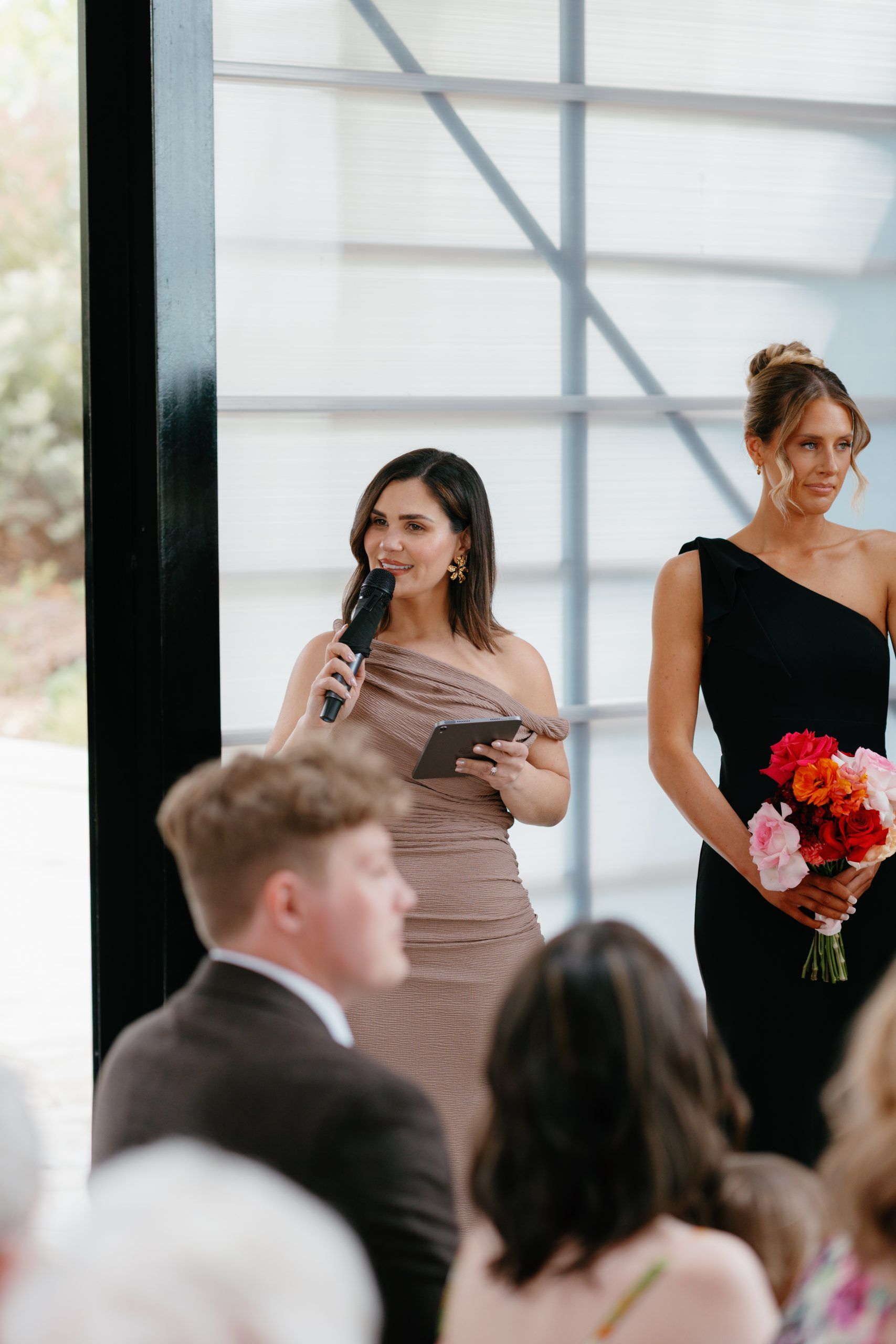
Sue, Bellarine Celebrant, incorporates guest perspectives directly: “I include survey results from the couple’s guests, and this adds a fun and very personal aspect to their ceremony.”
How this could work:
- Survey guests before the wedding: “What’s their most annoying habit?” “Best quality?” “Funniest moment?”
- Celebrant weaves responses into ceremony naturally
- Guests hear their own words reflected back
- Creates connection between couple and community
Unscripted personal moments
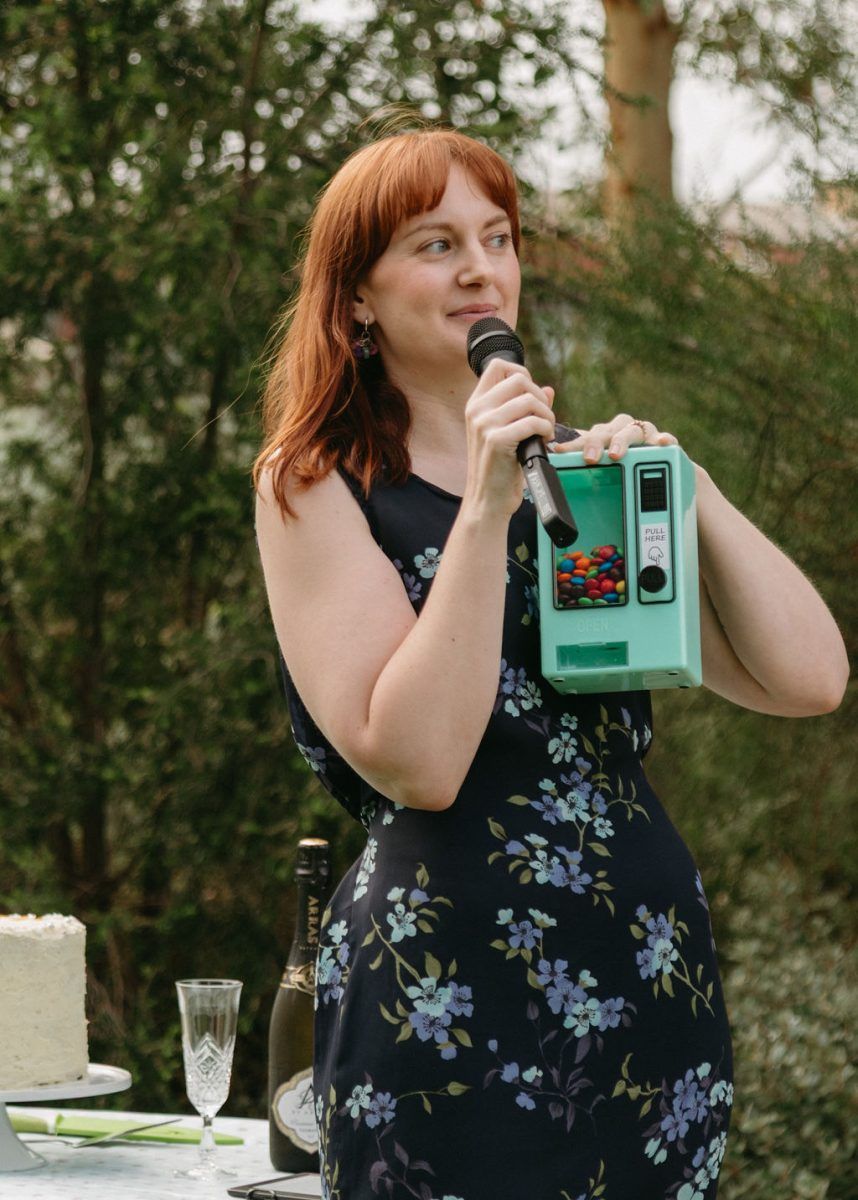
Sometimes the most personal touches can’t be planned. Sheri shares a perfect example: “A gorgeous couple of mine would constantly debate which was the better flavour of M&Ms – crispy or peanut. With this knowledge, I found a way to finally settle the debate whilst also selecting who was to go first for their vows. Enter the mini candy vending machine!! Honestly, I can’t remember which one won in the end, but the couple and their guests were smiling ear to ear seeing it all play out.”
Why this works:
- Authentically them (not a Pinterest idea)
- Functional (solved vow order question)
- Light-hearted without being cringe
- Guests immediately understood the reference
- Created a genuine moment of joy
Should you include traditional ceremony elements?
Traditional or formal doesn’t have to mean rigid or impersonal. You can honour traditions and formalities that resonate with you without adhering to a prescribed formula that doesn’t fit.
Consider each ceremony element, and if in doubt, talk to your celebrant about removing or changing it:
- Does this feel authentic to us?
- Are we including this because we want to, or because we think we should?
- If this feels awkward or uncomfortable, does it need to remain?
- Can we adapt this tradition to better reflect who we are?
Keep what resonates:
- Walking down the aisle with both parents (family connection)
- Traditional vows (if the words genuinely reflect your commitment)
- Ring exchange (symbol you both value)
- Readings from religious or cultural texts (if they hold meaning)
Adapt what doesn’t:
- Walk down together instead of separate entrances
- Skip the traditional vows language if it feels outdated
- Choose readings from books, songs, or sources that actually matter to you, or don’t include them at all
Leave out what feels forced:
- Readings chosen because they’re “wedding appropriate” not personally meaningful
- Traditions from cultures or religions you don’t practice
- Moments that prioritise performance over authenticity
- Rituals or wording that doesn’t align with your values as a couple.
How Do You Avoid Cringe?
The line between personal and performative comes down to one question: Is this genuinely us, or are we trying to be unique?
Cringe happens when:
- Personalisation becomes performance for guests rather than a reflection of your relationship
- Inside jokes require lengthy explanations
- Humour doesn’t match your actual dynamic (forcing “fun” when you’re naturally more reserved)
- Special elements feel more like Pinterest execution than authentic expression
- Trying too hard to be different rather than being yourselves
Authentic personalisation:
- Makes sense to people who know you
- Reflects your actual tone, humour, and dynamic
- Doesn’t require explanation to feel meaningful
- Comes from genuine places (your story, your quirks, your values)
- Creates ease rather than performance anxiety
The vibe test: If imagining a ceremony element makes you feel uncomfortable or like you’re performing a version of yourself that isn’t quite right – leave it out. Better to be understated and authentic than elaborate and awkward.
What tone should your ceremony have?
Your ceremony tone should match who you are as a couple – not who you think you should be or what weddings are “supposed” to feel like.
If you’re naturally:
- Reserved and private → Intimate, meaningful, fewer elaborate gestures
- Playful and lighthearted → Humour integrated naturally, less formal structure
- Traditional and formal → Classic elements, sophisticated tone, elegant simplicity
- Emotional and sentimental → Space for tears, longer vows, heartfelt readings
- Irreverent and casual → Relaxed atmosphere, conversational celebrant, unexpected moments
The key: Don’t go ultra “fun” and “comedy” if that’s not genuinely who you are. Don’t force solemnity if you’re naturally light-hearted. Your guests know you – a ceremony that doesn’t match your actual dynamic will feel performative, not personal.
How to create a personal ceremony: practical steps
Working with your celebrant to create authentic personalisation:
1. Share detailed information
- Complete questionnaires thoroughly (specific stories, not generic answers)
- Include quirks, debates, running jokes, real challenges
- Explain what matters to you about marriage, not what you think sounds good
- Share how you want guests to feel
2. Review traditions thoughtfully
- List which traditional elements genuinely resonate
- Identify what you’re including out of obligation versus desire
- Ask your celebrant which elements are legally required versus optional
- Give yourself permission to skip anything that doesn’t fit
3. Consider guest connection
- Order of service explaining your choices
- Guest survey results woven into ceremony
- Readings or music that tell your story
- Moments that include your community authentically
4. Trust your celebrant’s experience
- They’ve seen what works versus what falls flat
- They can help you find the line between personal and performative
- They’ll know how to integrate your niche details naturally
- They can advise on pacing, tone, and flow
5. Prioritise ease over elaboration
- The most personal ceremonies often feel effortless
- Authenticity creates connection, not complexity
- When you’re genuinely yourselves, guests feel it
Final thoughts: personal doesn’t mean complicated
The most personal ceremonies aren’t the most elaborate – they’re the most authentic. When you’re selective about traditions, thoughtful about what you share, and confident enough to be genuinely yourselves, personalisation happens naturally.
Trust your celebrant with detailed, specific information about who you are. Give yourself permission to leave out traditions that don’t resonate. Remember that formal doesn’t mean rigid, and meaningful doesn’t require grand gestures.
Your ceremony should feel like the most elevated, intentional version of you – not a performance of who you think a bride and groom should be.
Ready to find a celebrant who gets this? Browse our curated celebrant directory for professionals who specialise in creating authentic, personal ceremonies.
Frequently Asked Questions
A ceremony feels personal when it authentically reflects the couple – their tone, humour, values, and relationship dynamic. This happens through specific details shared with celebrants, intentional tradition inclusion, and confidence to be genuinely themselves rather than performative.
Very little – just a registered celebrant, consent from both parties, specific legal wording (including legal vows and Monitum), two adult witnesses, and certificate signing. Almost everything else (processional, readings, personal vows, the asking, ring exchange, the kiss, signing during ceremony, recessional) is optional.
Only if they genuinely resonate with you. Traditional or formal doesn’t have to mean rigid or impersonal. You can honour meaningful traditions while leaving out elements that feel forced or don’t reflect your relationship.
Cringe happens when personalisation becomes performance. Authentic personalisation comes from genuine places (your actual story, habits, values), makes sense to people who know you, and doesn’t require lengthy explanations. If imagining an element makes you uncomfortable, leave it out.
Share specific, niche details: running jokes, how you actually met (specific details), habits that define your relationship, challenges you’ve navigated, shared values, what friends would say about you, the moment you knew. Avoid generic love story highlights. The more specific and authentic the information, the more personal your ceremony will feel.
Yes – most traditional elements aren’t legally required. You can skip processional, readings, personal vows, the asking (“I do”), ring exchange, the kiss, or recessional traditions. Only keep elements that genuinely resonate with you as a couple.
Complete questionnaires thoroughly with specific stories, share niche details and authentic information about your dynamic, review traditions thoughtfully (keeping what resonates, skipping what doesn’t), trust your celebrant’s experience with what works, and prioritise authenticity over elaboration.