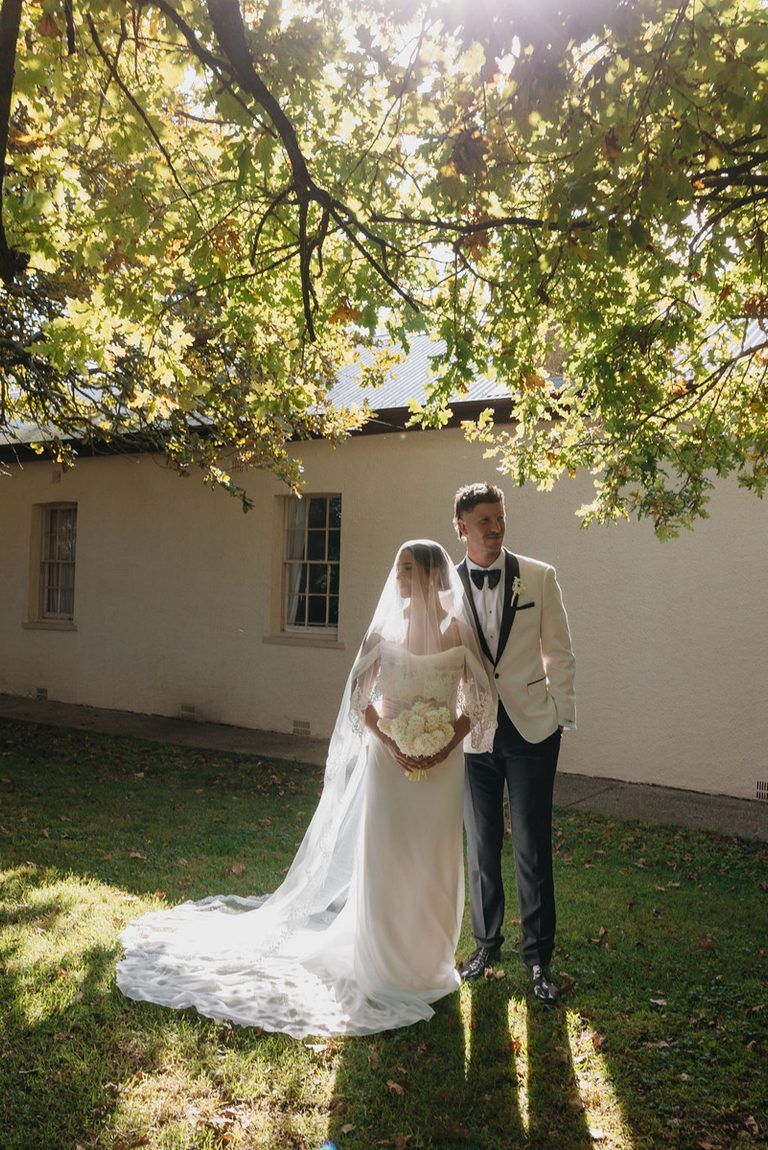
Self care during wedding planning: what actually works.
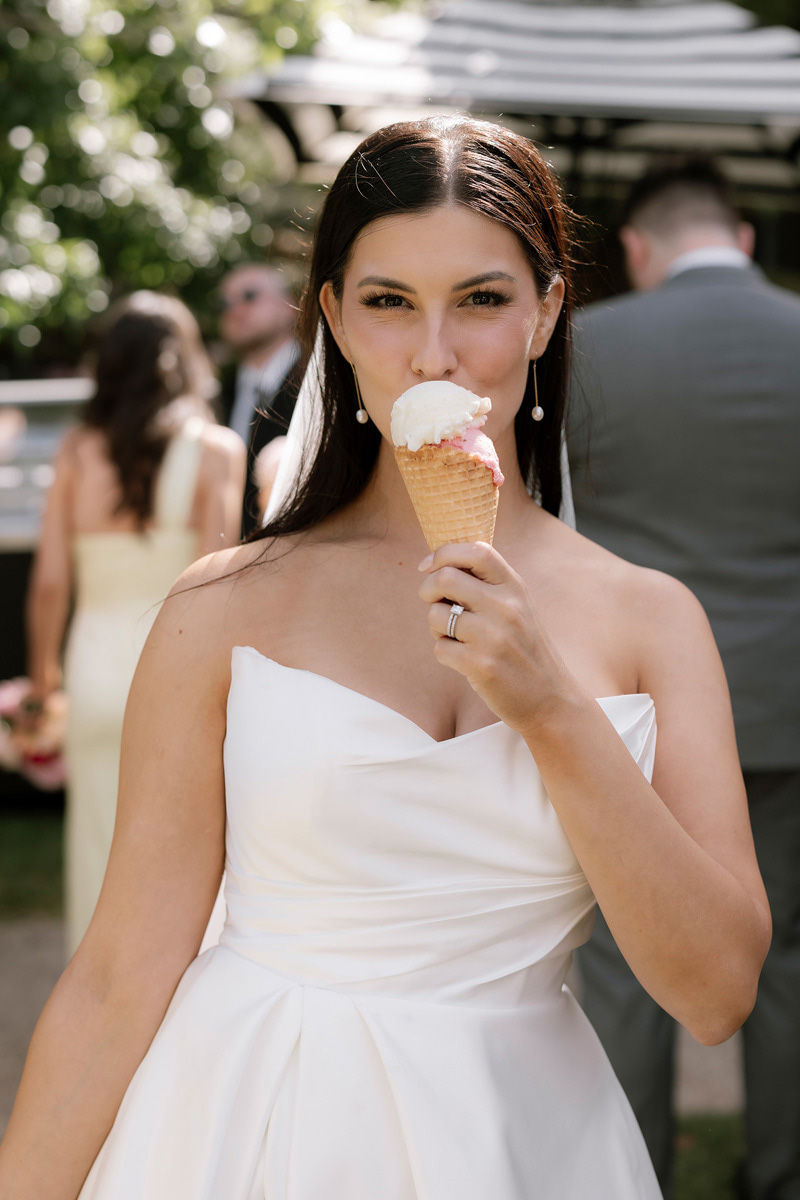
Your Pinterest board has 247 pins of “romantic maximalism”, and the TikTok algorithm is feeding you nothing but European destination weddings.
Welcome to modern wedding planning, where endless scrolling masquerades as productive research.
Here’s the thing: all that digital diving serves a purpose. Online communities offer genuine wisdom from couples who’ve navigated similar decisions. Facebook wedding groups become unexpected lifelines when you’re torn between photographers or need honest vendor reviews. That random Reddit thread about catering costs? Pure gold.
But somewhere between bookmarking your fifteenth colour palette mood board and joining your seventh wedding planning Facebook group, it’s worth remembering that your best planning resource isn’t behind a screen; it’s probably sitting at your kitchen table.
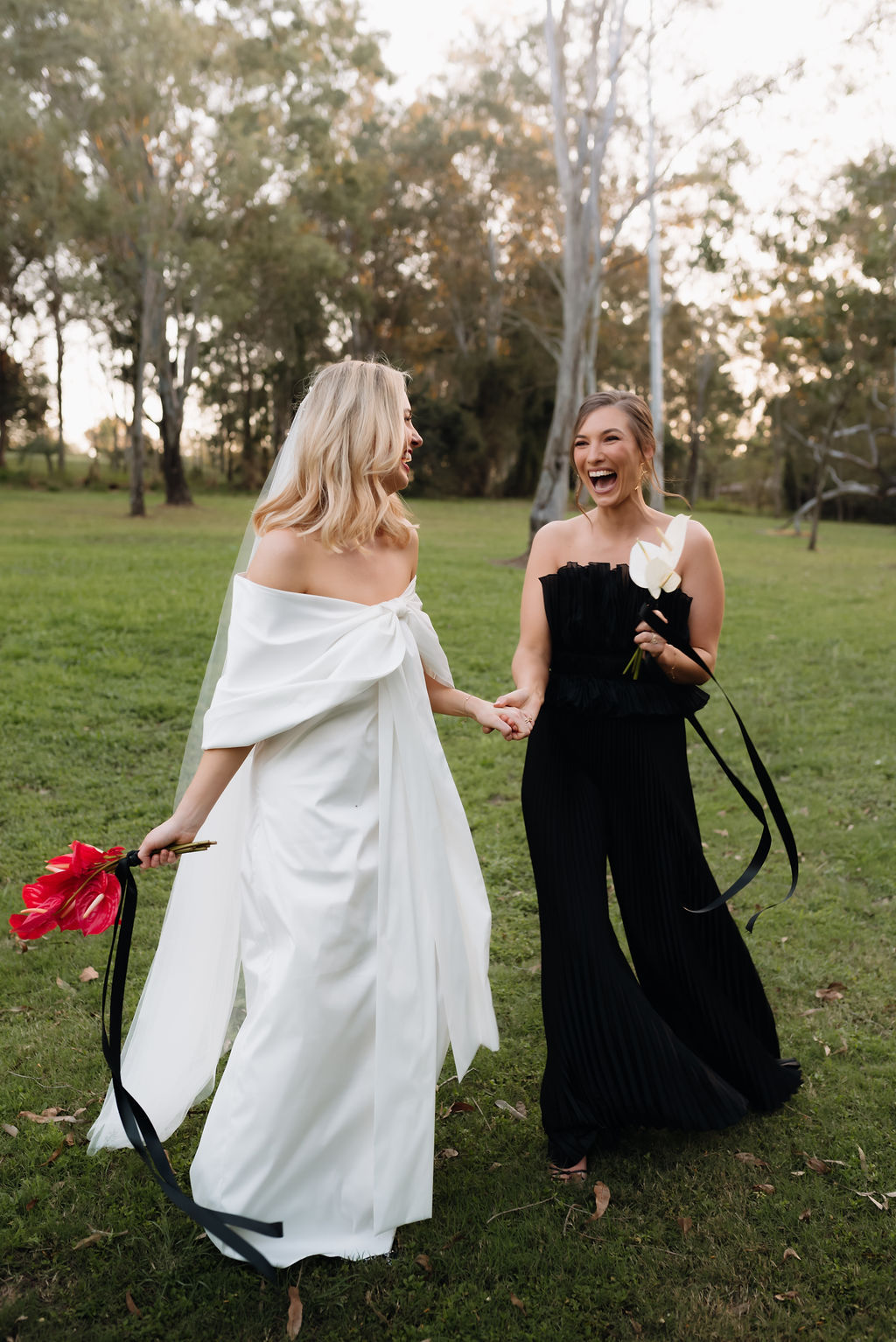
The IRL advantage.
Your bridesmaids have opinions (shocking, we know). Your kind colleague has surprisingly solid vendor connections. That friend who got married last year? She’s a walking AI of what actually matters versus what looks good on Instagram.
Real self-care during wedding planning isn’t another face mask or meditation app, it’s recognising when to close the laptop and call someone who knows you well enough to tell you that yes, you absolutely do need a day-of coordinator, and no, your guests won’t remember whether the napkins were taupe or sand.

Balance, not boycott.
We’re not suggesting you abandon your carefully curated inspiration boards (obviously! It’s where we live in our working hours, and we love it!). Online research is invaluable; it’s how you discover vendors, gather pricing intel, and see how other couples realise stunning styling ideas in real life situations.
The magic happens when digital research meets real-world wisdom. Use Instagram to shortlist photographers, then ask your recently married friends which ones actually delivered. Join Facebook groups for vendor recommendations, then trust your partner’s gut feeling when they meet them in person.
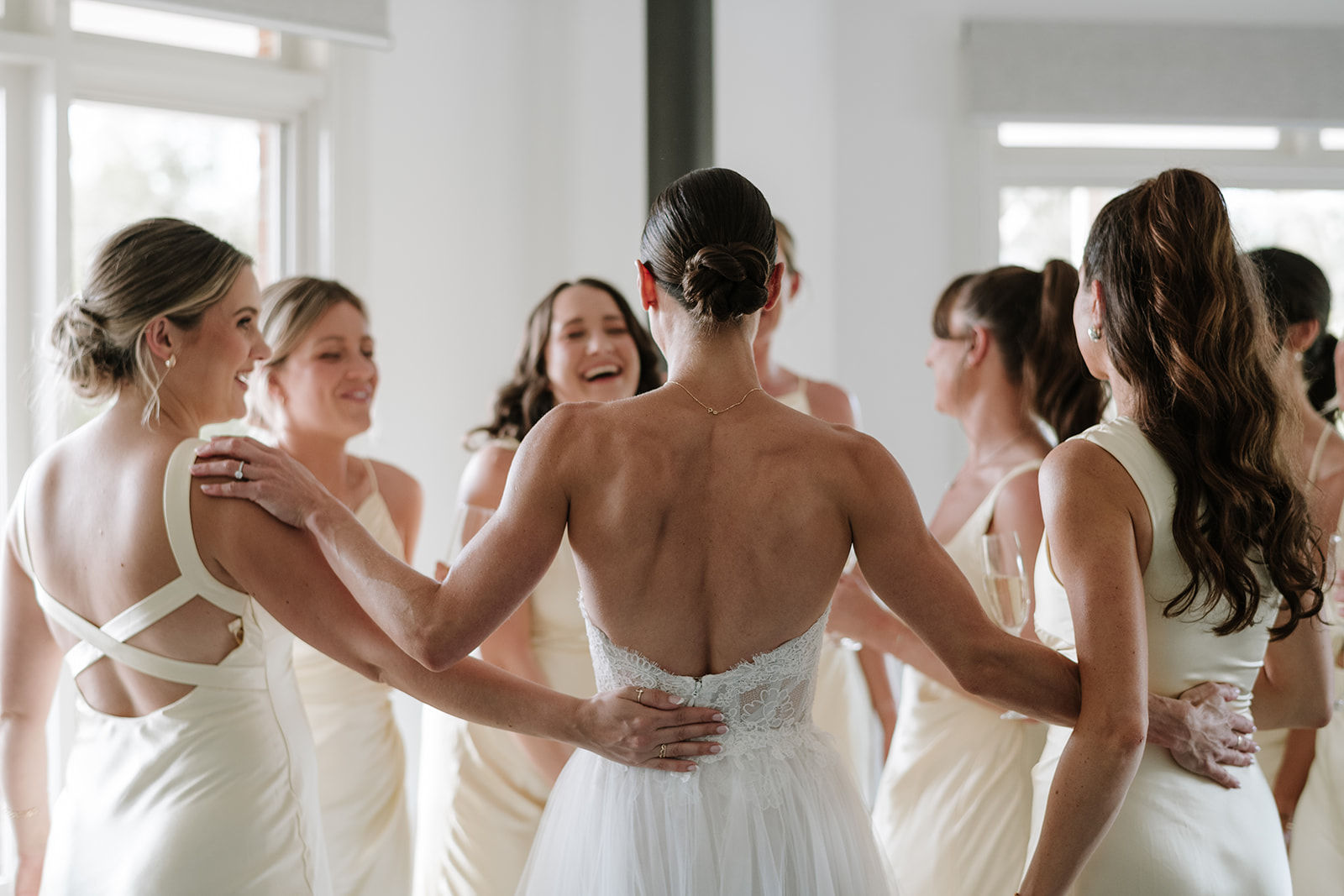
Your village approach.
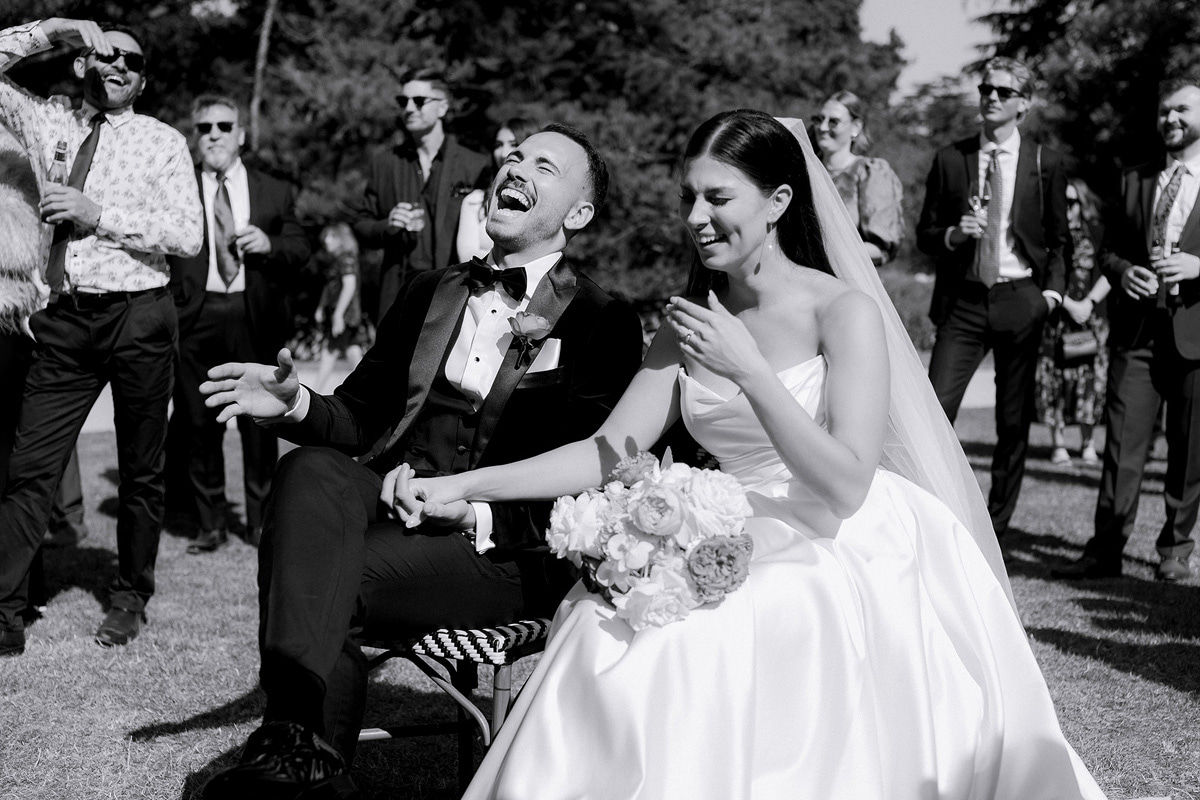
Wedding planning can feel isolatingly personal, after all, it’s your celebration. But the couples who emerge from the process with their sanity intact are usually the ones who remember that accepting help isn’t admitting defeat.
Let your maid of honour tackle the rehearsal dinner logistics she’s been volunteering to handle. Trust your best man’s research on transportation options. When your aunt offers to coordinate family logistics, say yes instead of insisting you can manage everything through a shared spreadsheet.
The real self-care check.
Before your next three-hour deep dive into maximalist floral moments, ask yourself: when did you last have a non-wedding conversation with your partner? When did you last see friends without mentioning tablescapes? When did you last do something, anything, that had nothing to do with your upcoming celebration?
True wedding planning self-care looks less like ice baths and morning matcha rituals and more like maintaining the relationships that made you want to get married in the first place. It’s catching up with friends for walks or lunches, seeing your favourite team play with a group of mates, or having a date night where the talk of wedding is totally off the table. Freeing your mind from the ongoing pressure of thinking about your wedding gives you space for your subconscious to help you let go of things that perhaps aren’t as important, and the ability to think creatively about those that are.
Because here’s what no Pinterest board will show: the most beautiful weddings aren’t the ones with the most flawless details, they’re the ones where couples remain connected to themselves, each other, and the people who love them throughout the process.
Your village is waiting. Log off and let them help.
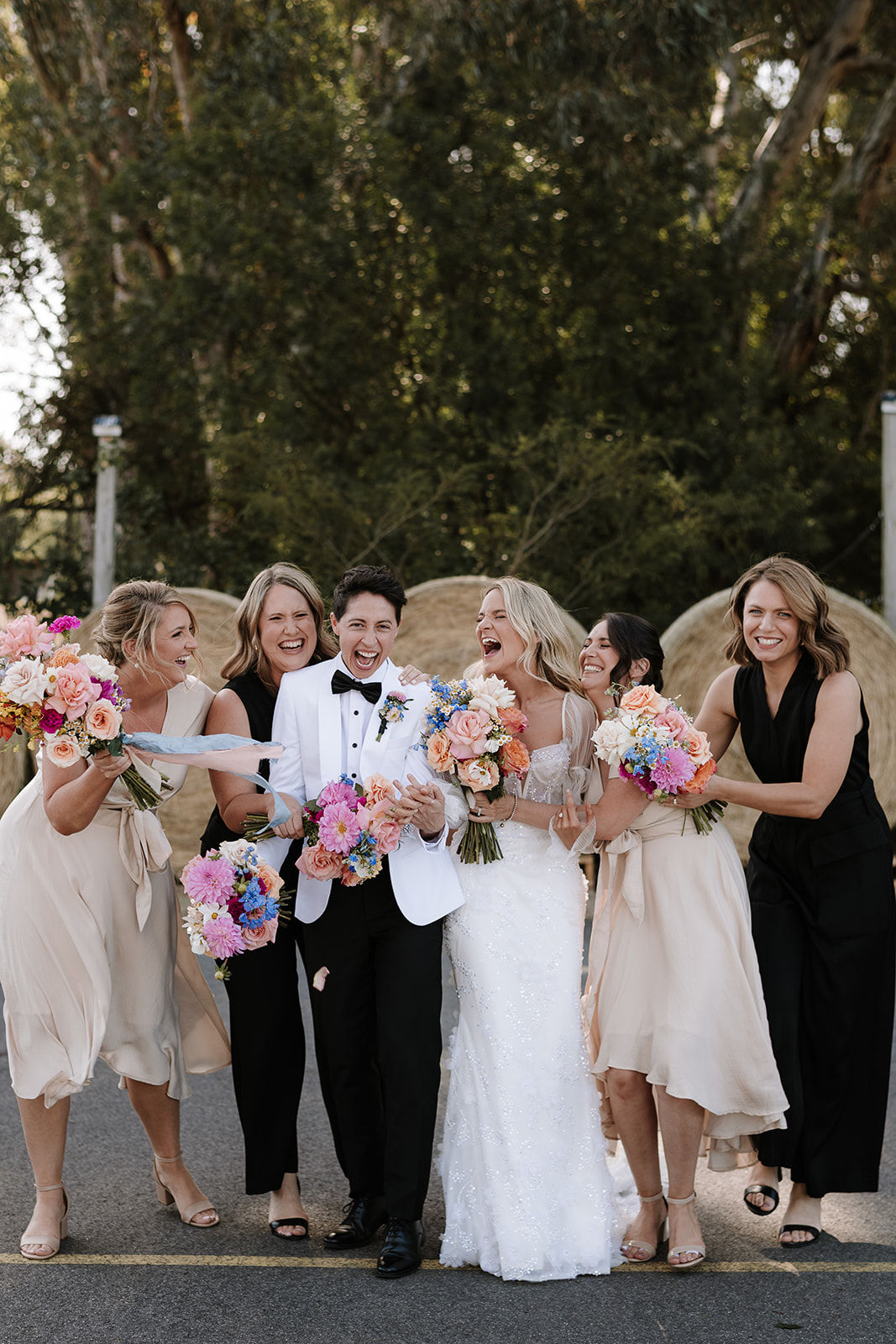
For more tips, hear what your guests will actually remember (based on our audience’s answers) to help you cut through the noise and plan with intention.