The Wedding Fashion Trends Shaping 2026
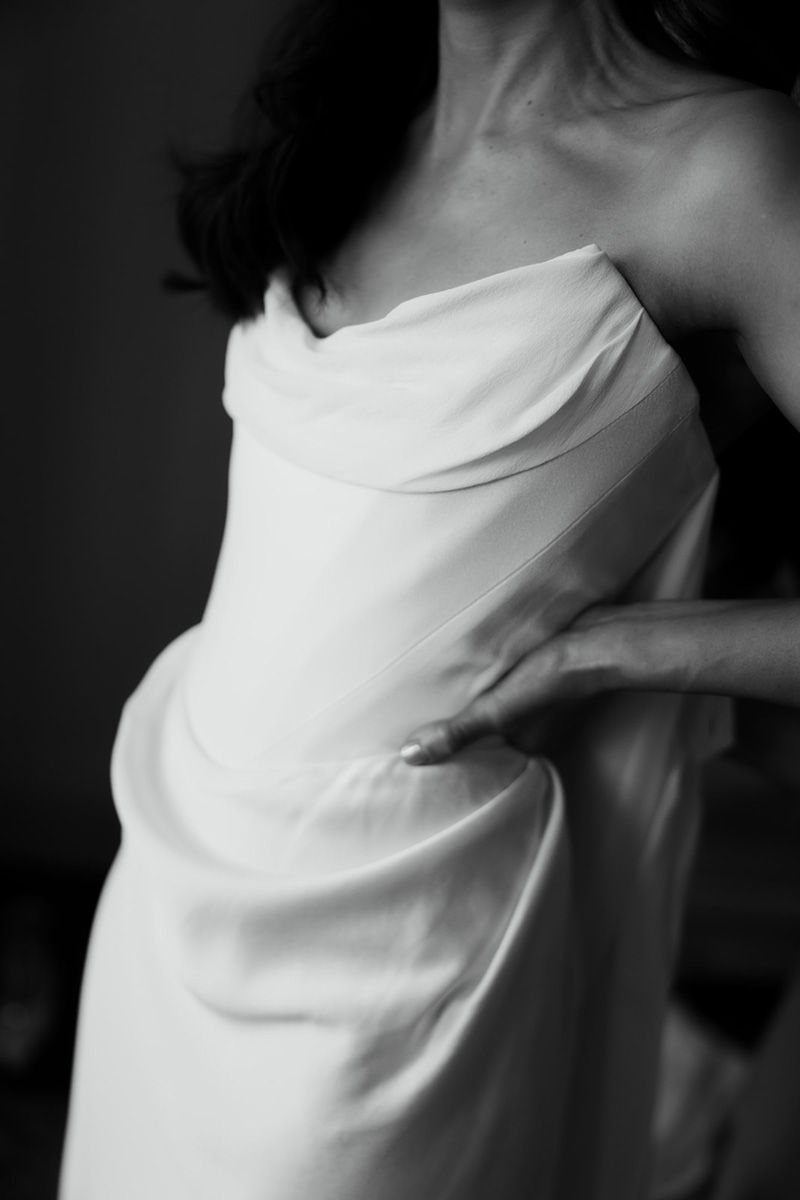
If you’re planning a wedding in the year ahead, here’s the headline: fashion is becoming more refined, more fabric-led, and far less reliant on excess detail. Rather than chasing statement moments, couples are gravitating toward looks defined by shape, texture and longevity — across gowns, tailoring and accessories alike.
Drop-waist silhouettes, visible structure, textured fabrics and a confident return to lace are all gaining momentum.
Here, we help you cut through the clutter and break down the wedding fashion trends shaping the celebrations before us.
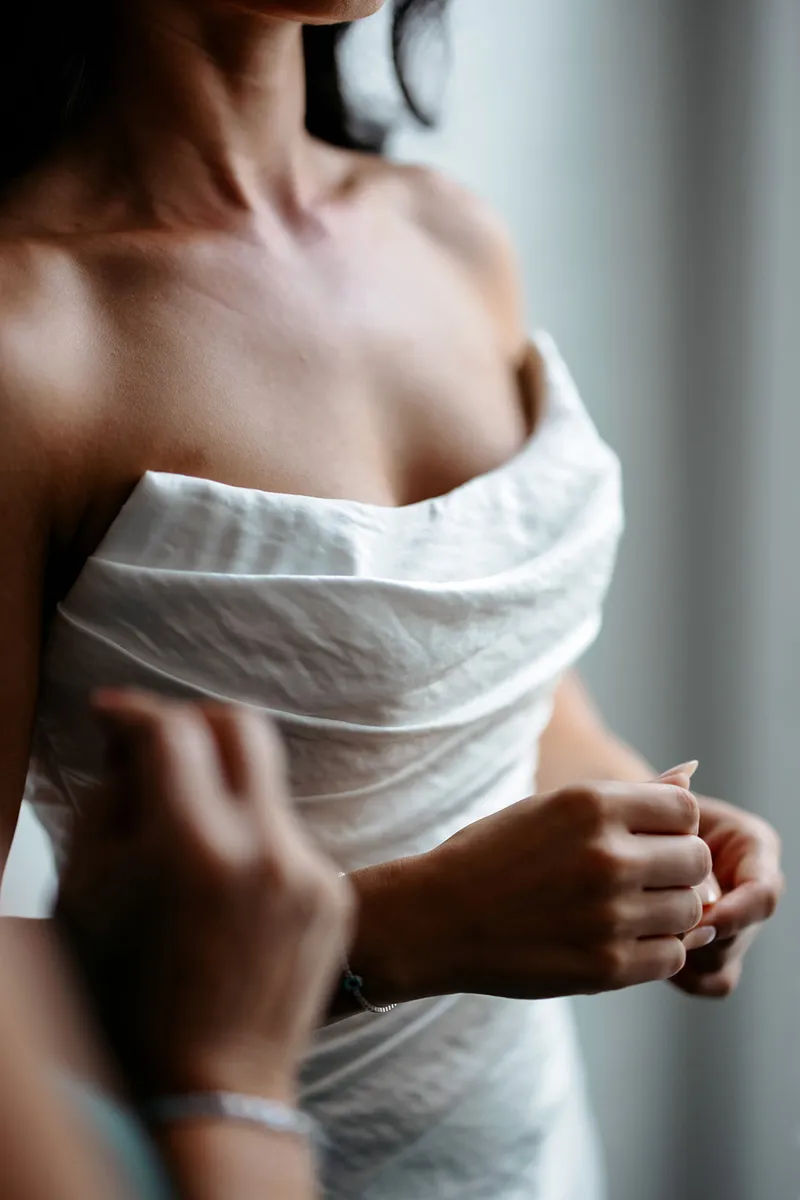
Fabrics: Texture Over Embellishment
Carefully considered fabric choices are doing the heavy lifting.
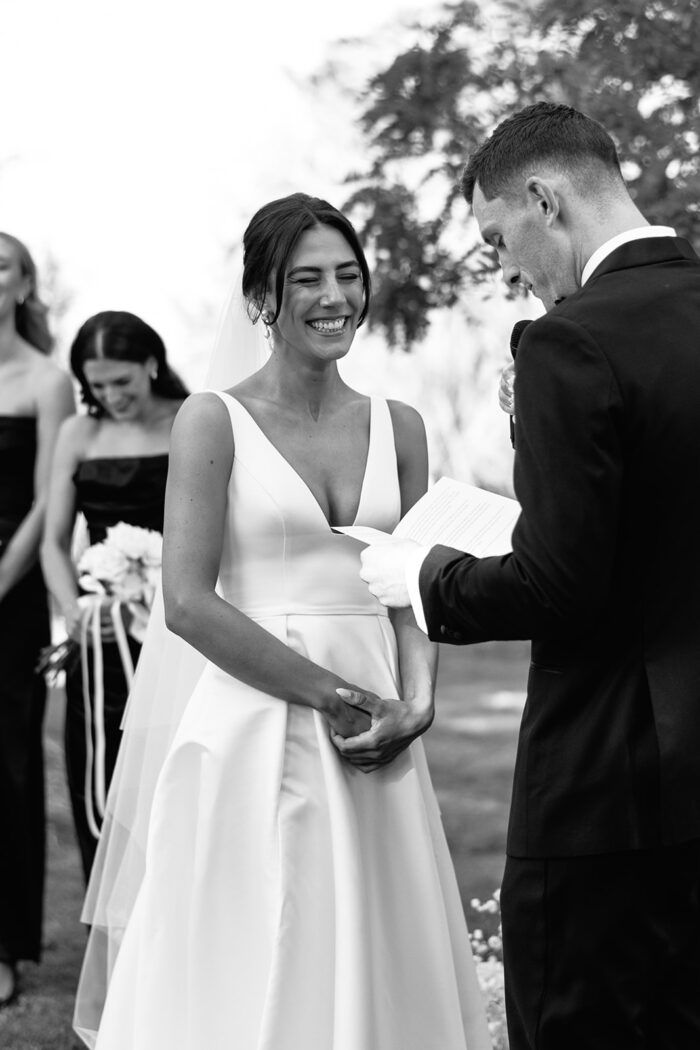
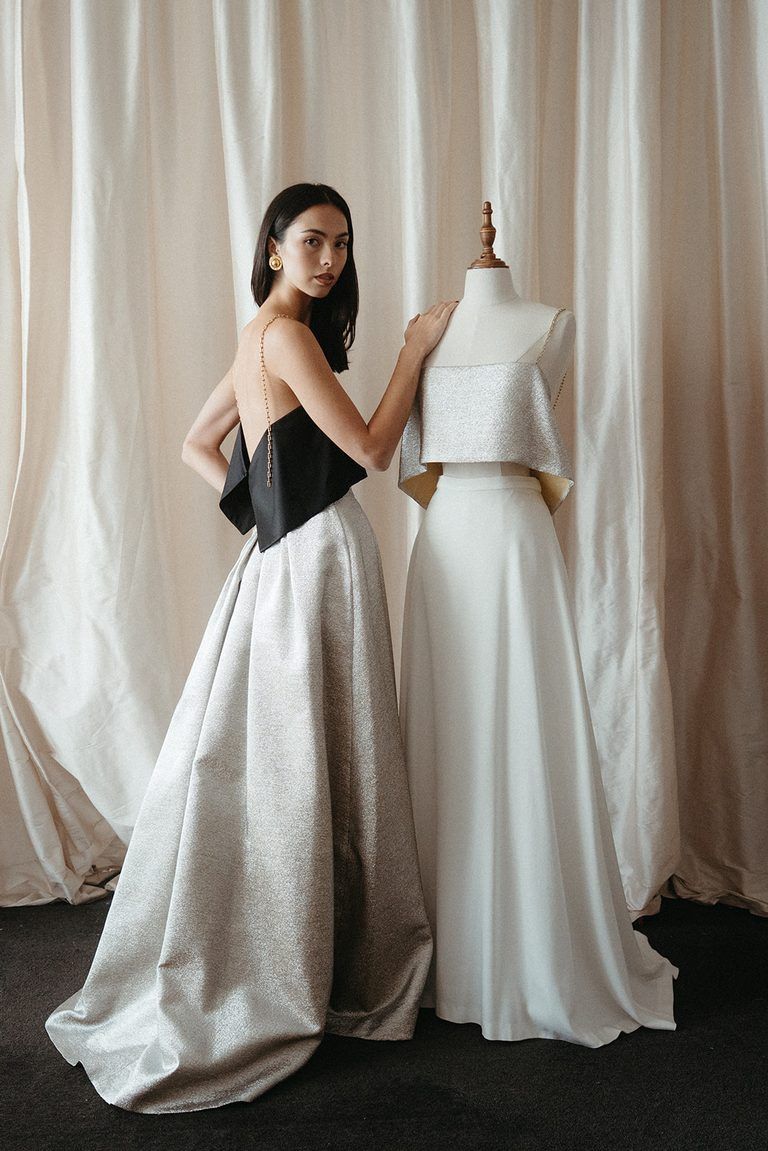
Structured silks — including duchess, mikado and silk faille — are leading the way, particularly in gowns with clean lines and architectural shapes. These fabrics hold form beautifully and allow the silhouette to shine without relying on heavy embellishment.
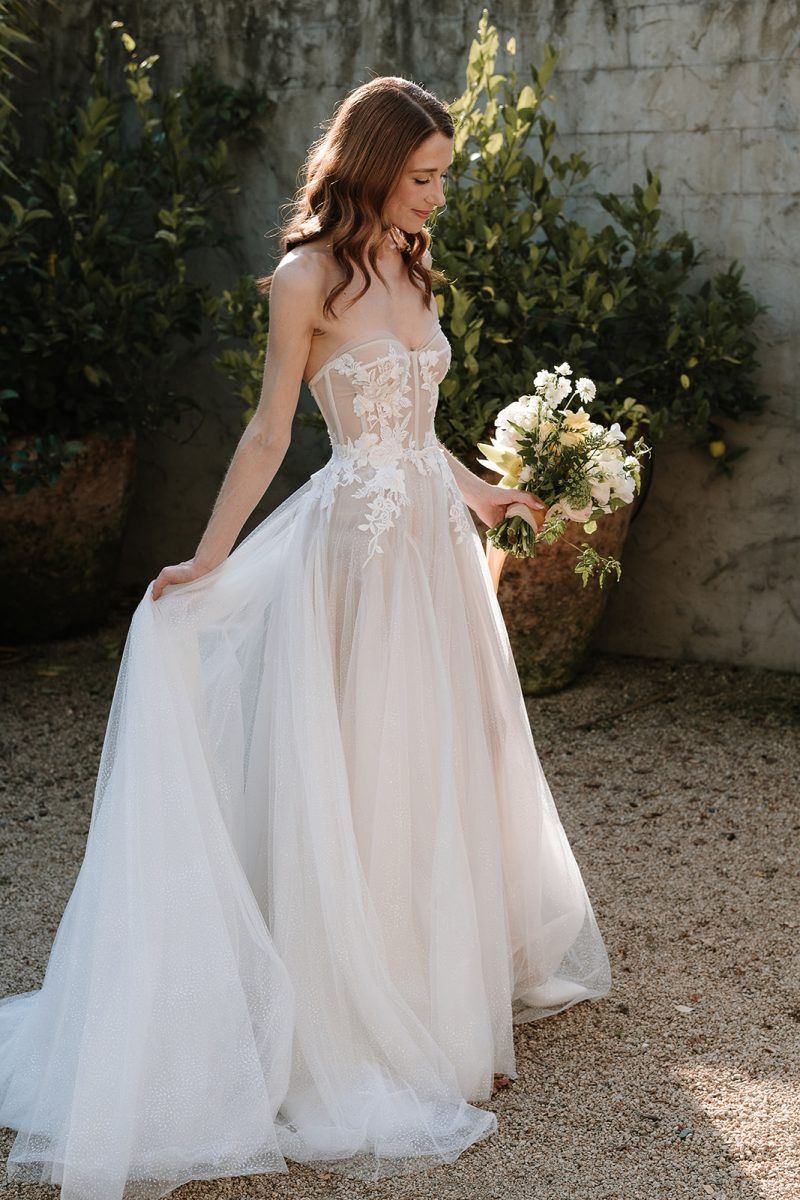
Lace is also back in focus, but with a lighter touch. French corded lace, Chantilly, and embroidered tulles are appearing in full-length gowns that feel classic rather than nostalgic, often balanced with simple necklines or pared-back styling.
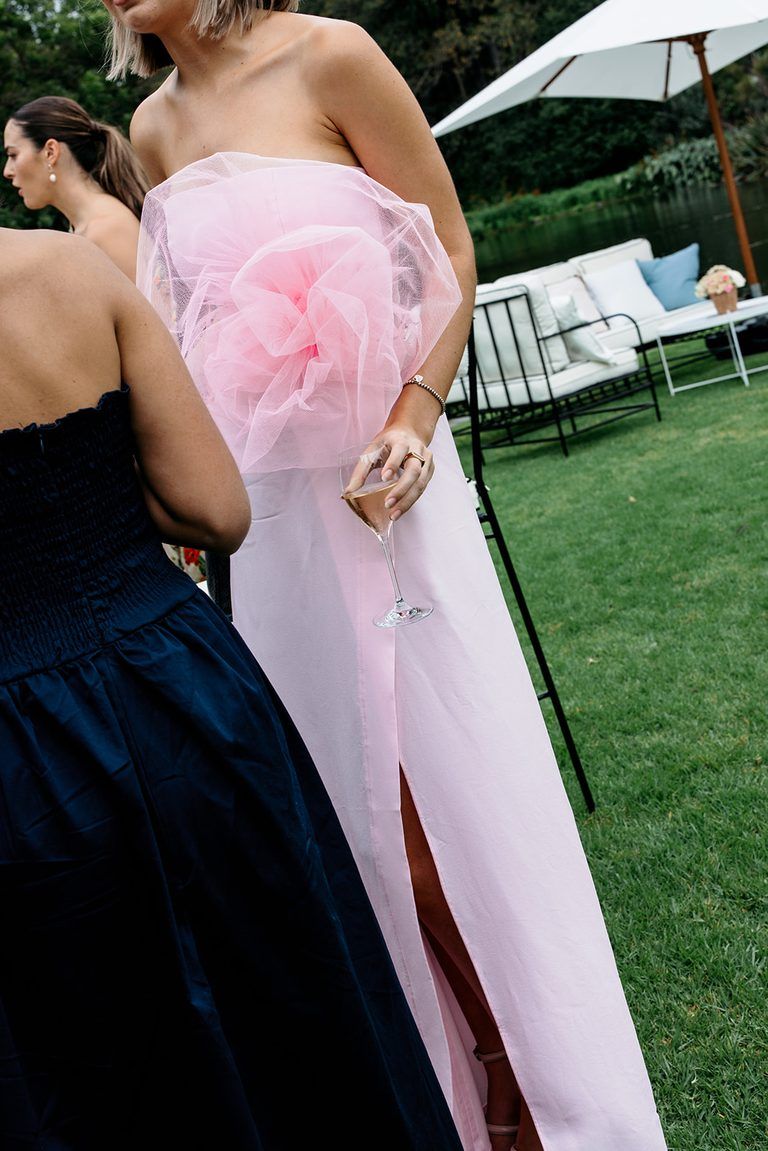
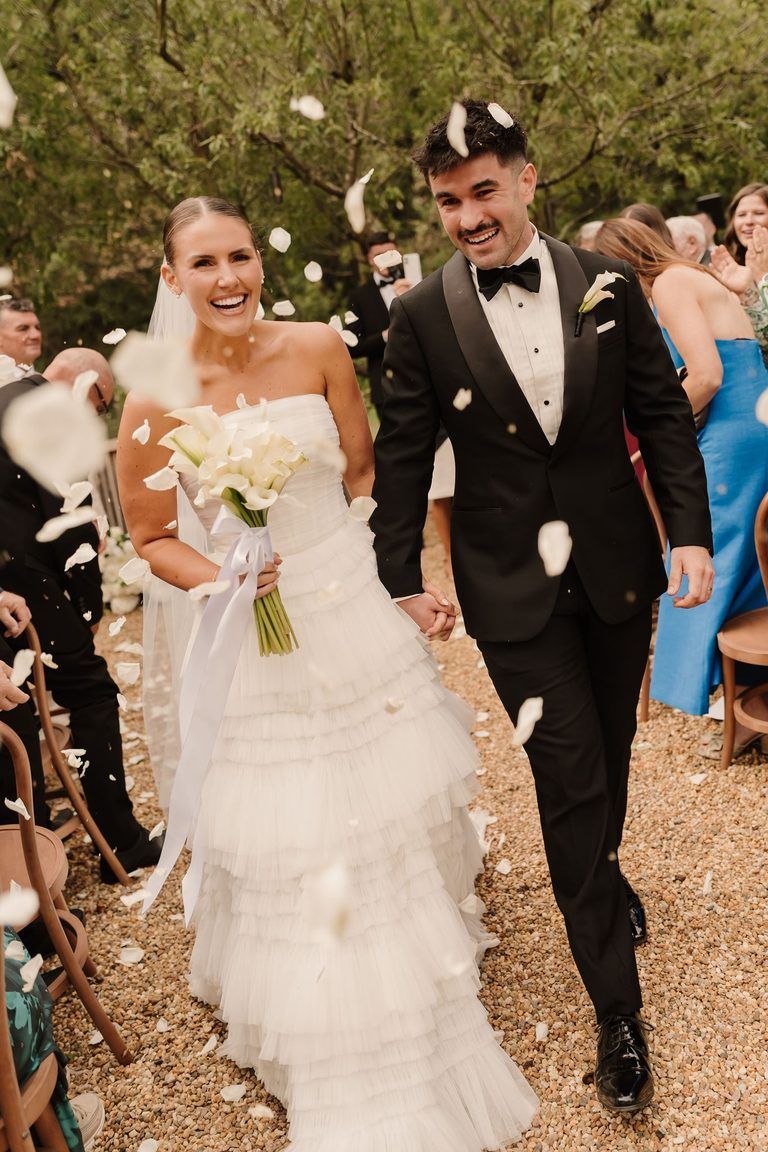
Softer fabrications such as pleated georgette and fine tulle still have a place, especially for romantic looks, but they’re being layered thoughtfully — adding movement and texture without overwhelming the design.
As seen across consultations with our fashion friends at D’Itália, couples are responding strongly to gowns where fabric quality and construction take precedence over surface detail.
Silhouettes & Lengths: Shape Leads the Way
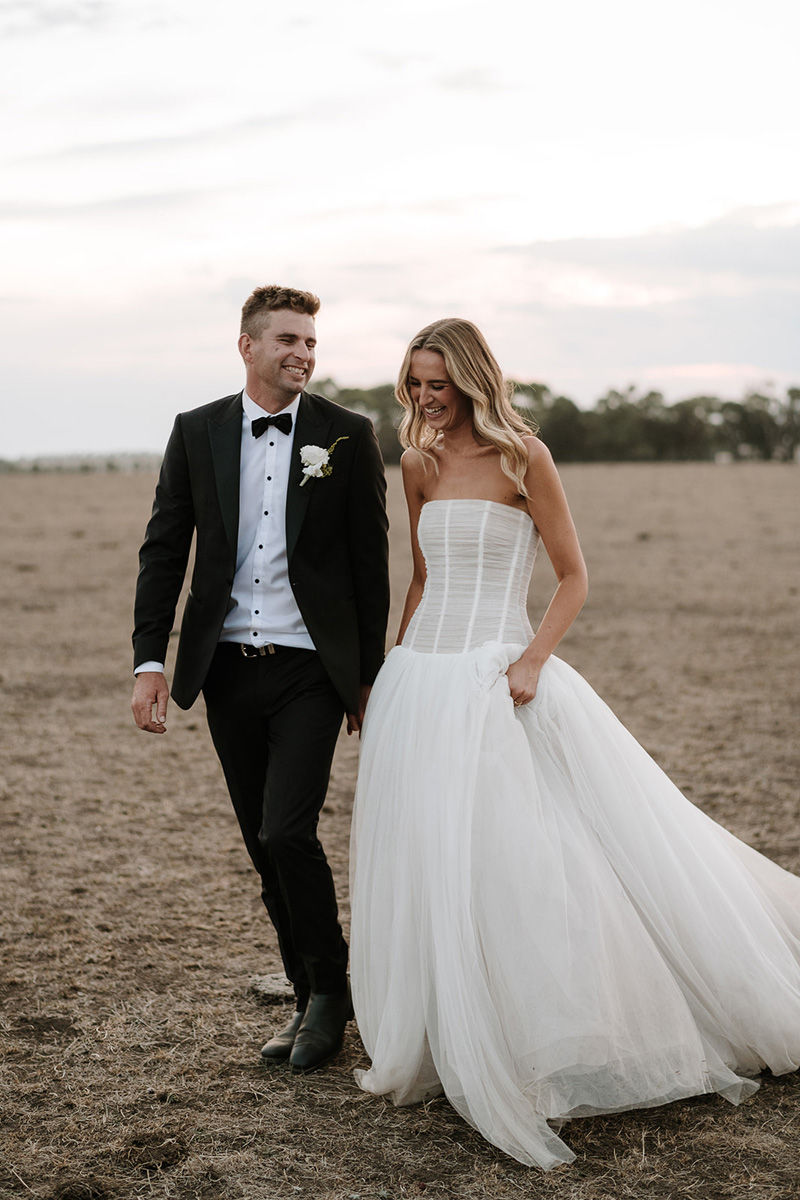
When it comes to silhouette, proportion is key.
Drop-waist gowns are emerging as a standout shape, elongating the torso and offering a fresh alternative to the classic A-line. Often paired with fuller skirts or softly structured ball-gown proportions, the look feels elegant and quietly European.
Corsetry is also stepping forward. Visible boning, contour seams and structured bodices are being embraced as design features, creating gowns that feel sculpted and confident without appearing rigid.
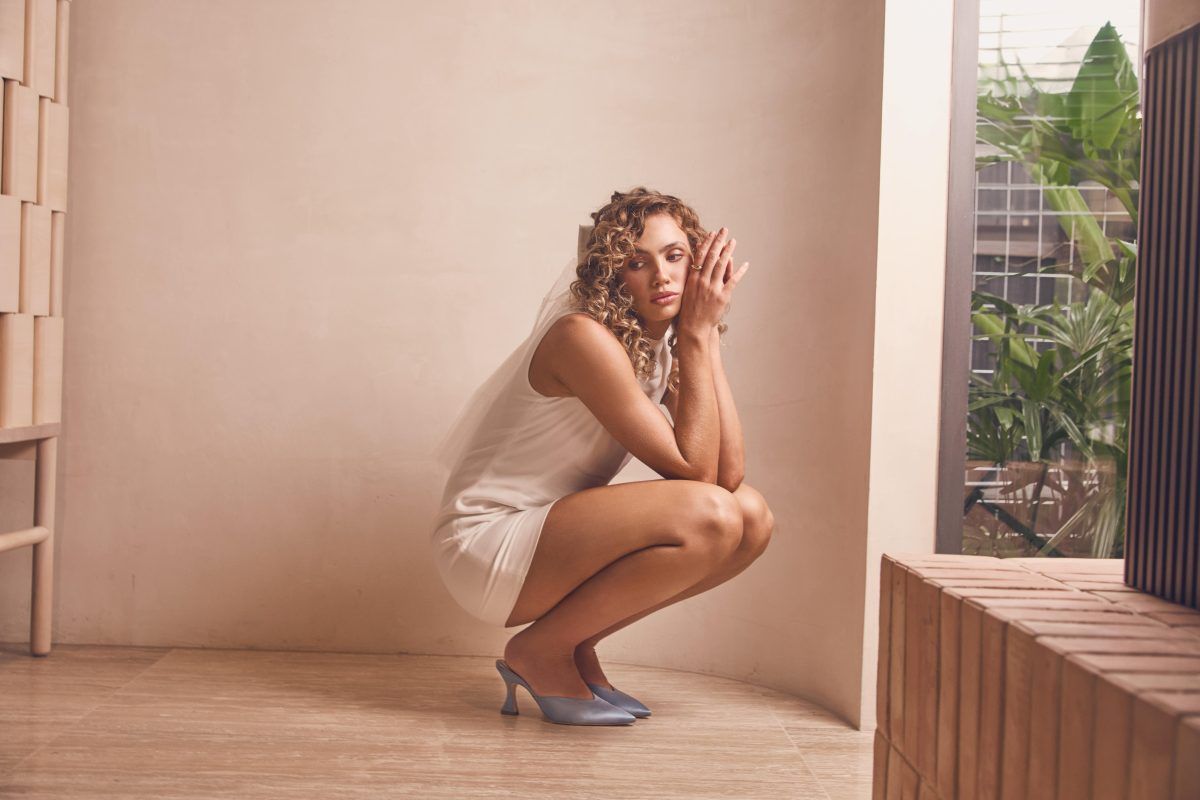
In terms of length, mini and midi dresses continue to feature later in the day. Clean silhouettes, longer sleeves and understated necklines keep these looks cohesive with the ceremony outfit, rather than feeling like a sharp departure.
Colour: Soft, Subtle and Understated
White remains a cornerstone, but colour is becoming more nuanced.
Warm neutrals — ivory, stone, champagne and soft almond — are leading the way, adding depth while remaining timeless. These tones work beautifully with textured fabrics and refined silhouettes.
For those open to something slightly different, muted shades such as dove grey, dusty blue and gentle blush are appearing, particularly in reception looks or tailoring. The focus is on tones that enhance the overall look rather than define it.
Accessories: Defined, Not Decorative
Accessories too are playing a clearer role as part of the design story, rather than an afterthought.
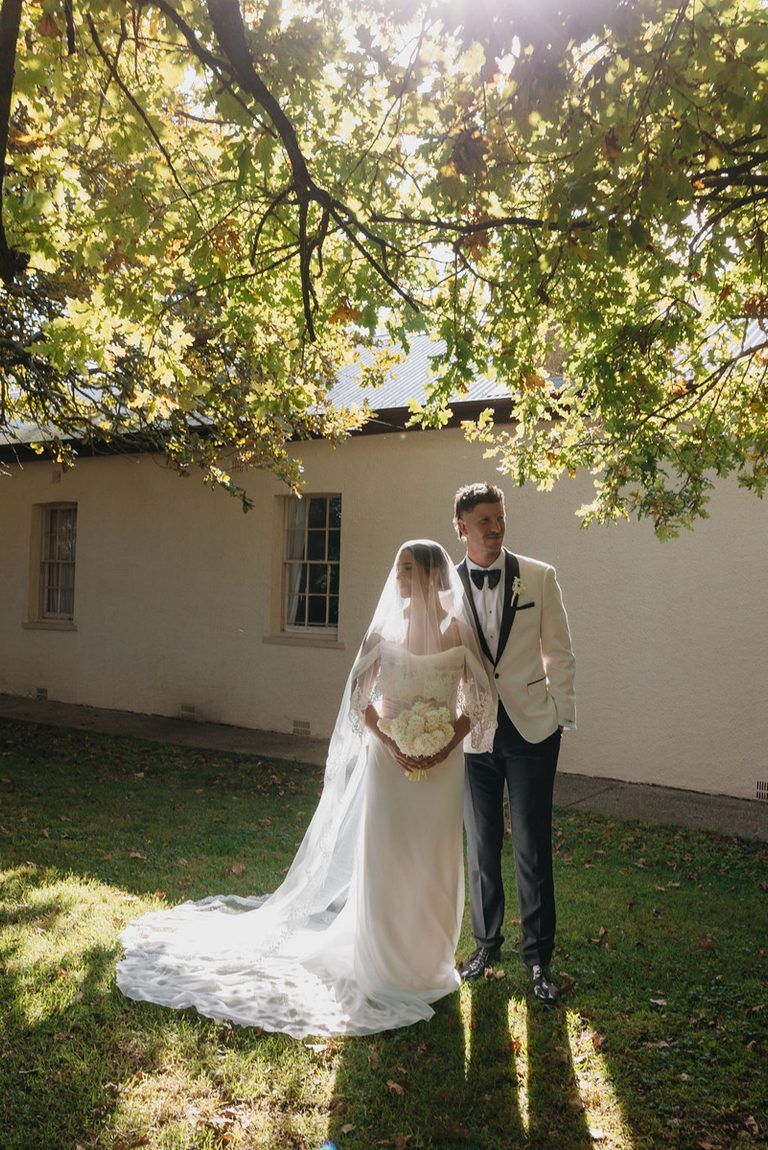
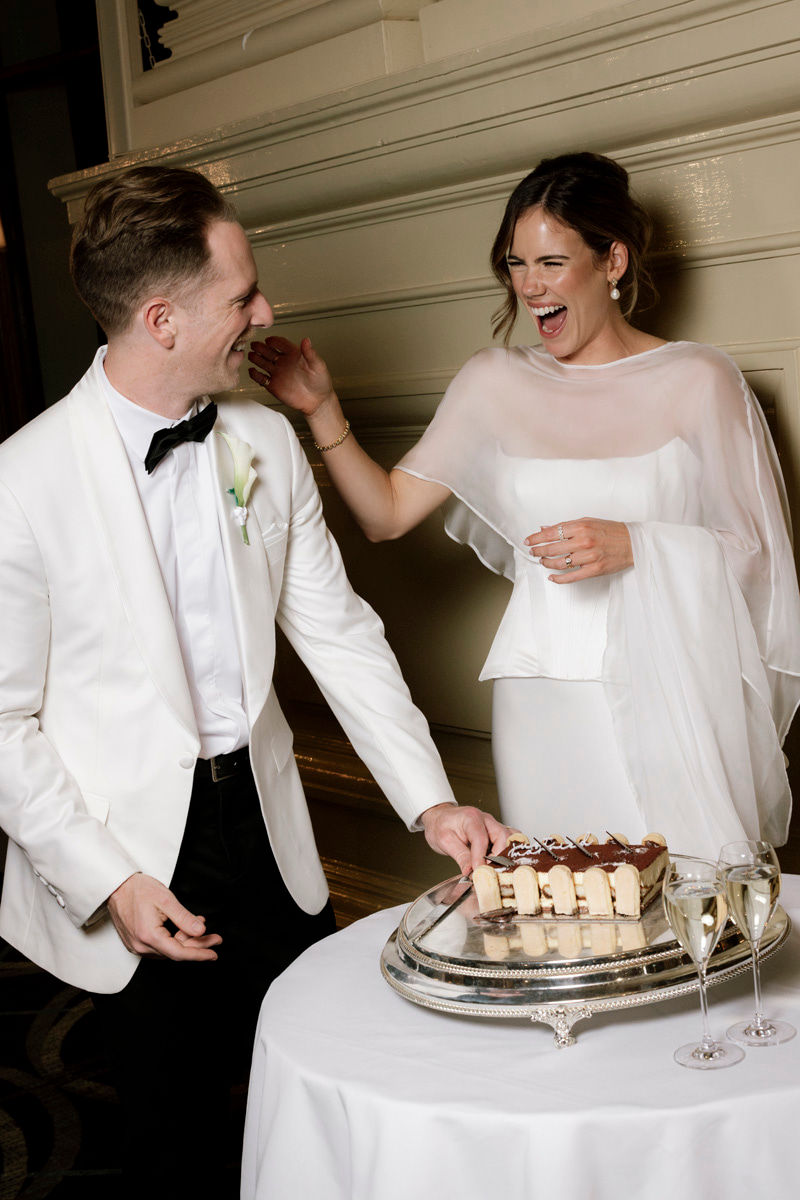
For D’Italia brises, statement capes are leading the charge, particularly off-shoulder styles finished with floral appliqué or long, sweeping trains. They offer impact without the formality of a traditional veil and pair beautifully with simpler gowns.
Oversized bows, either softly draped or more structured, are still having their moment and whether removable or built into trains and backs, they add interest without overwhelming the overall look.
Detachable sleeves continue to feature, from voluminous balloon styles to softly draped off-the-shoulder shapes, allowing subtle shifts throughout the day while keeping the overall look cohesive.
Long gloves are making a quiet return too, especially when paired with pared-back silhouettes, bringing a polished, old-world touch rather than a costume feel.
Footwear: Clean Lines, Real Wearability
Footwear follows the same pared-back direction.
Brides are leaning toward clean, minimalist styles — slingbacks, pointed pumps and block heels in silk satin remain favourites. Pearl and crystal accents are still popular, but used sparingly rather than as statement features.
In music to our ears, comfort is front of mind. Mid-height heels are increasingly common, offering enough elevation to feel special while remaining wearable across the day. The emphasis is on shoes that balance practicality with a refined finish.
Menswear: Thoughtful, Tailored and Timeless
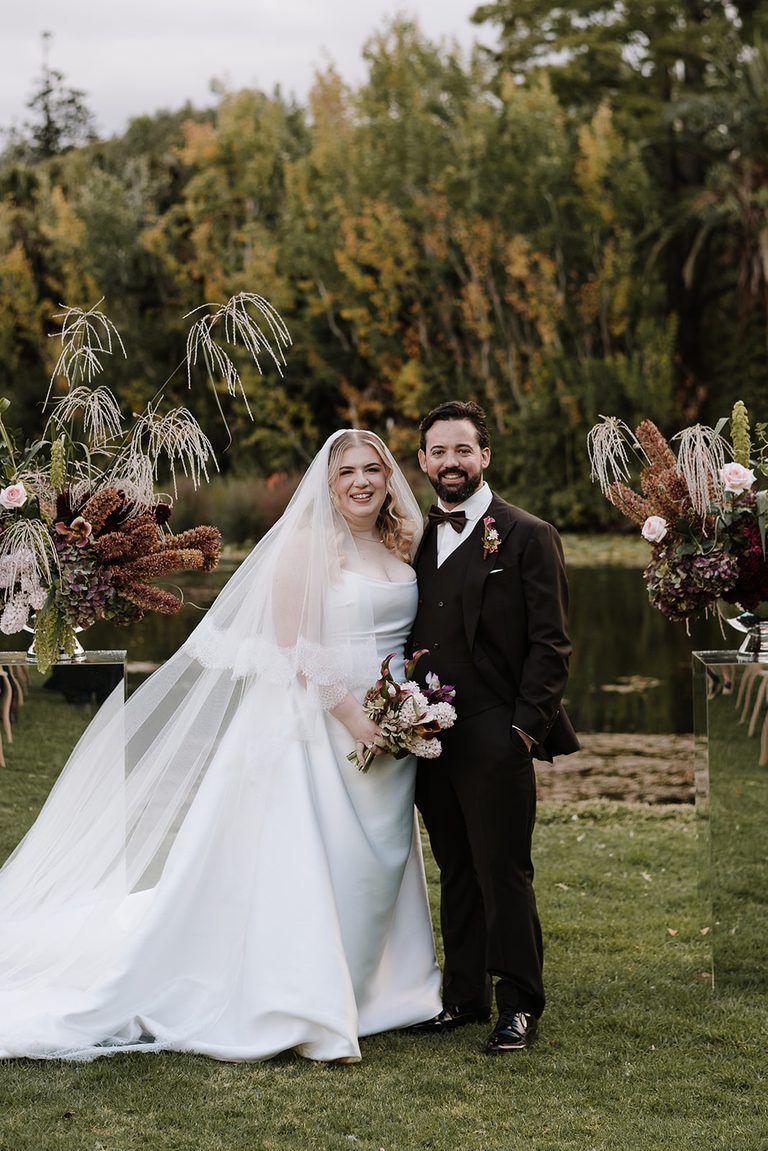
Men’s wedding fashion is becoming more thoughtful and less formulaic – we love to see it. Clean tailoring, softer construction and quality fabrics are replacing rigid structure, with a focus on comfort and fit.
Colour palettes are expanding beyond black and navy to include stone, warm taupe, chocolate and muted greens, chosen to complement the setting rather than dominate it. Details remain understated, with texture and tailoring doing most of the work.
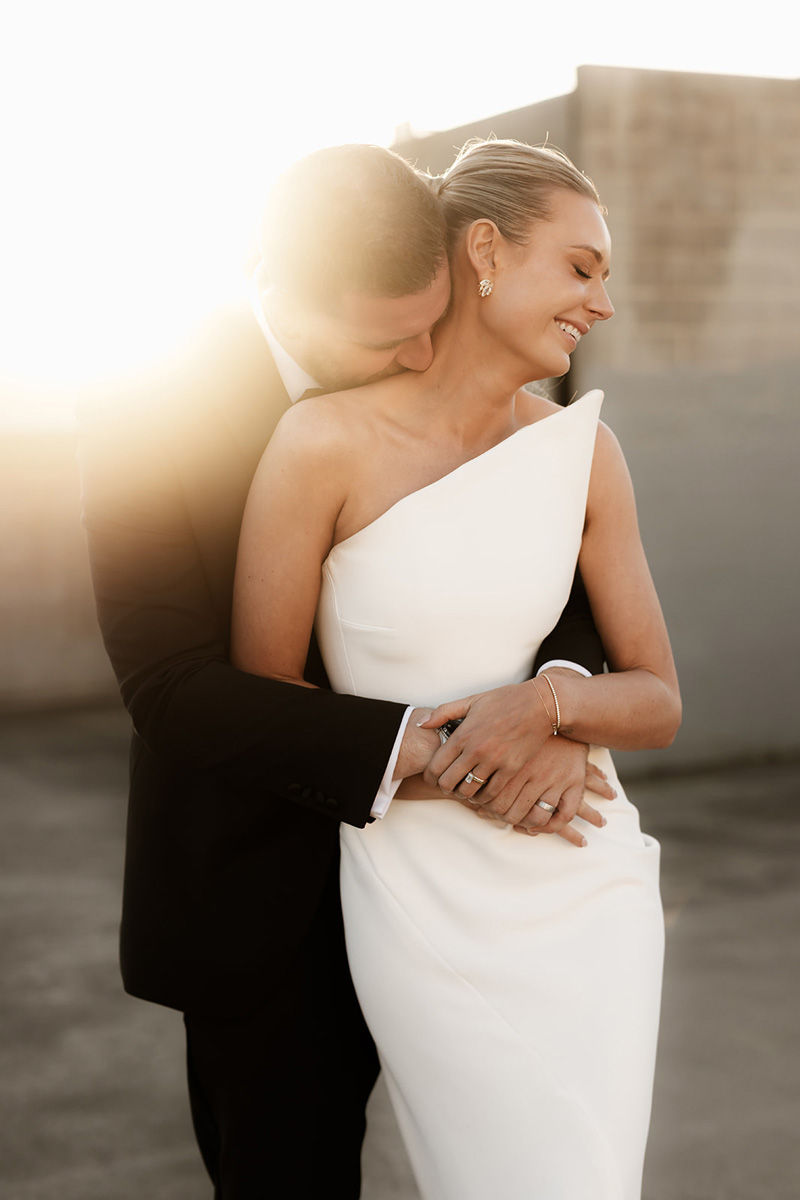
All that said and done, there are moments where tradition still reigns — and we simply cannot look past a well-fitting tux for a black-tie affair.
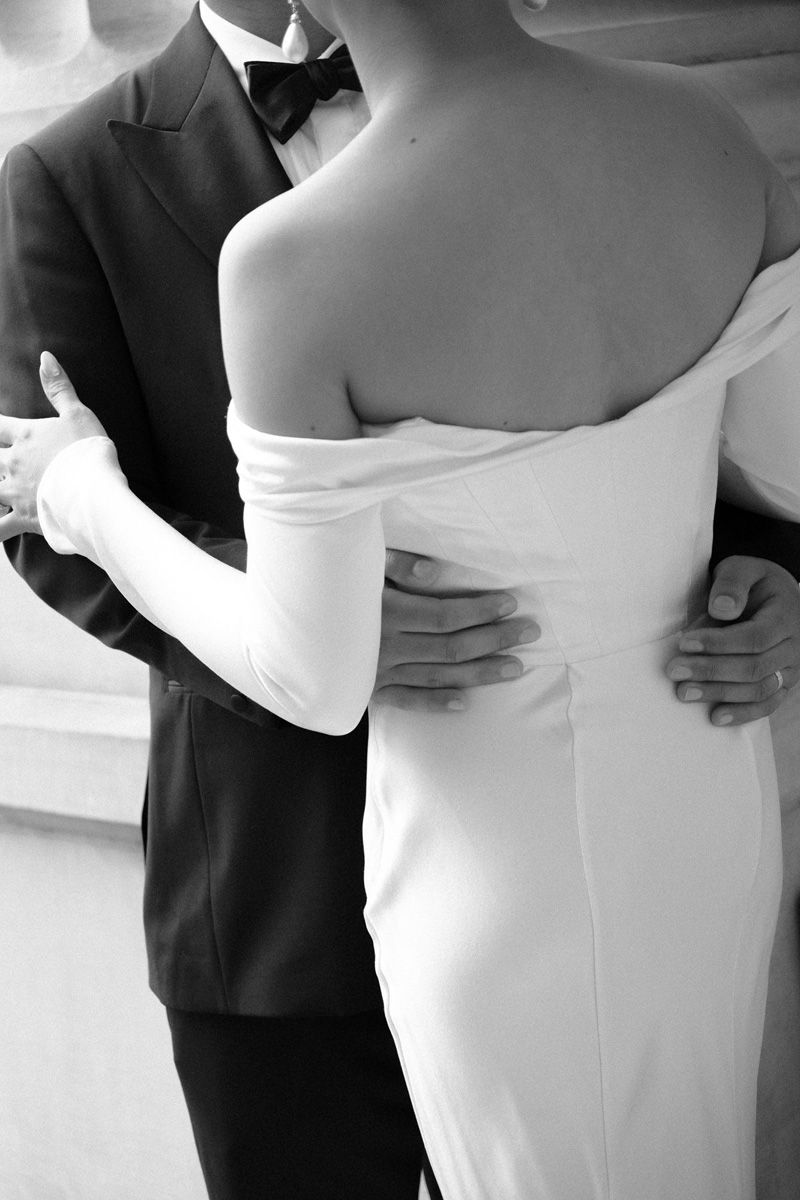
The takeaway? Wedding fashion right now is guided by clarity. Shape, fabric and proportion are leading design choices, while colour and detail remain deliberately restrained.
For couples planning ahead, the message is simple: invest in quality, trust strong silhouettes, and let fit and fabric do the talking.