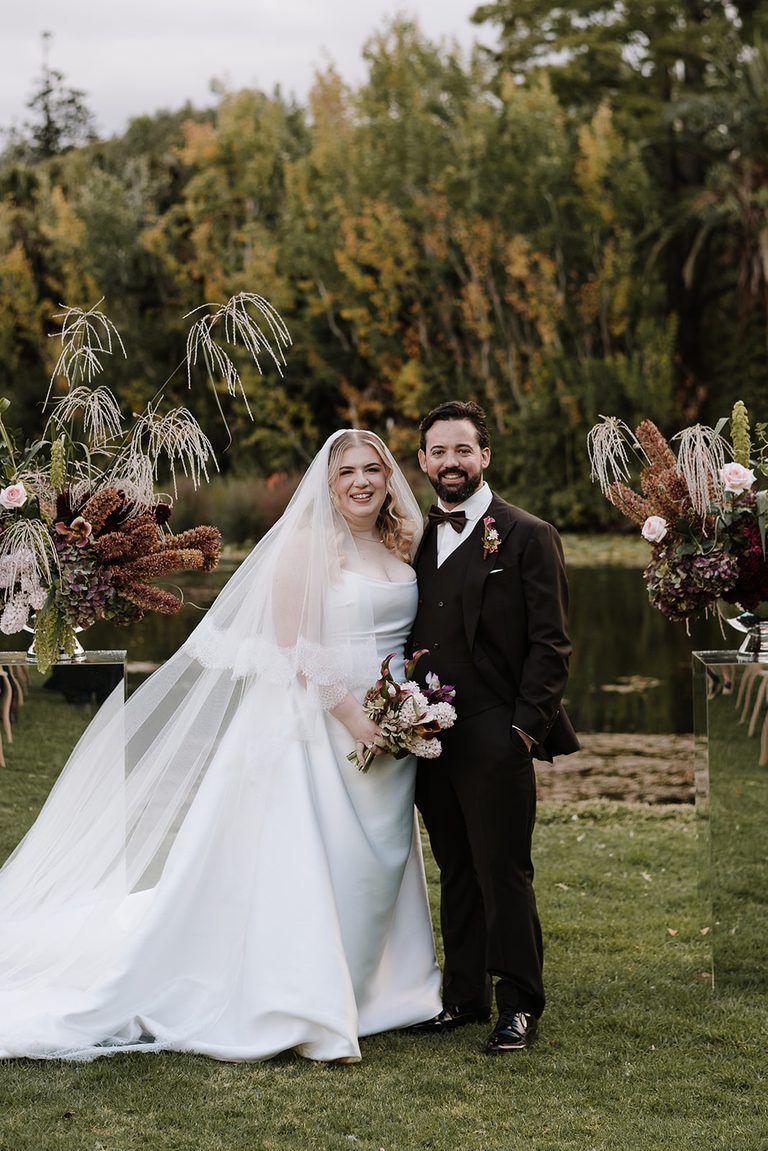
Wedding veil or no veil? The pros and cons.
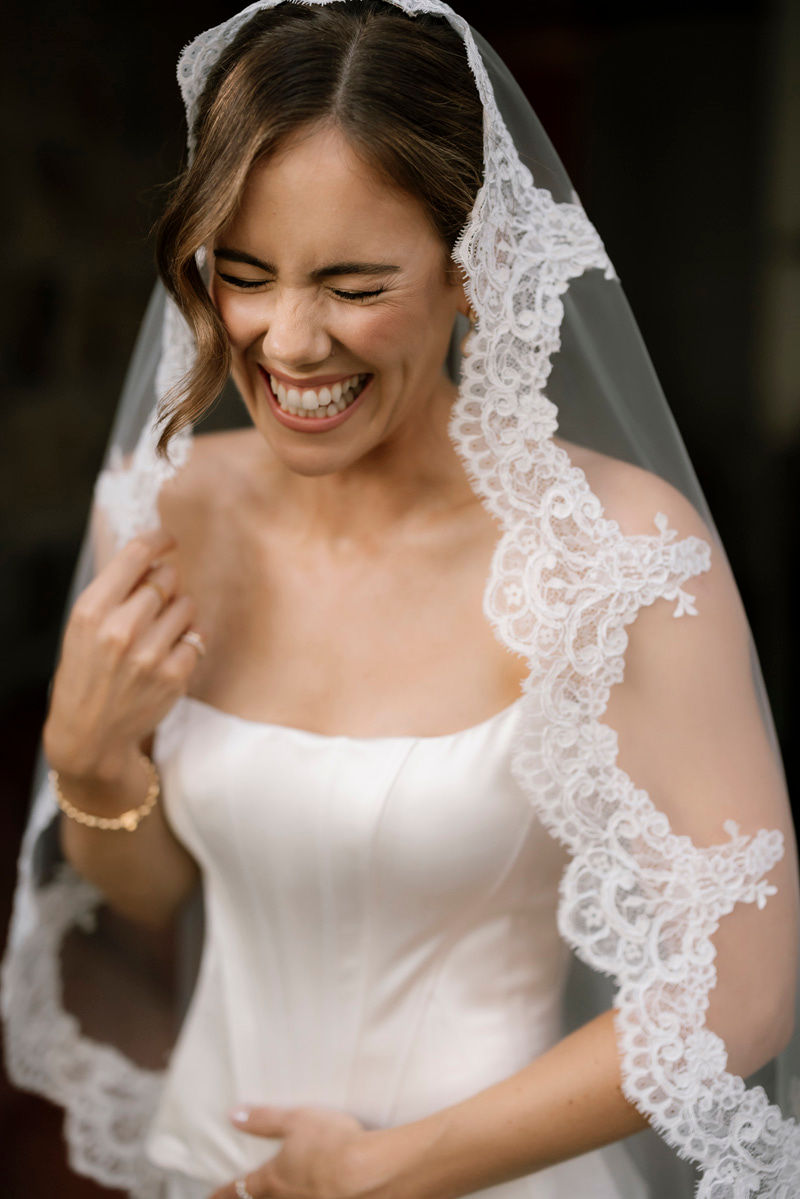
Whether to wear a wedding veil is one of the most personal decisions in bridal styling. For some brides, the veil is the moment: that first glimpse in the mirror, the pure romance of it all when you appear at the top of the aisle.
For others, it feels like a costume piece that belongs to someone else’s wedding. And increasingly, Australian brides are giving themselves permission to ask the question rather than default to the tradition.
We asked three of Australia’s most trusted bridal fashion specialists, plus real brides who’ve been through it, to weigh in on the veil debate.
Their verdict? There’s no wrong answer. But there is a right process.
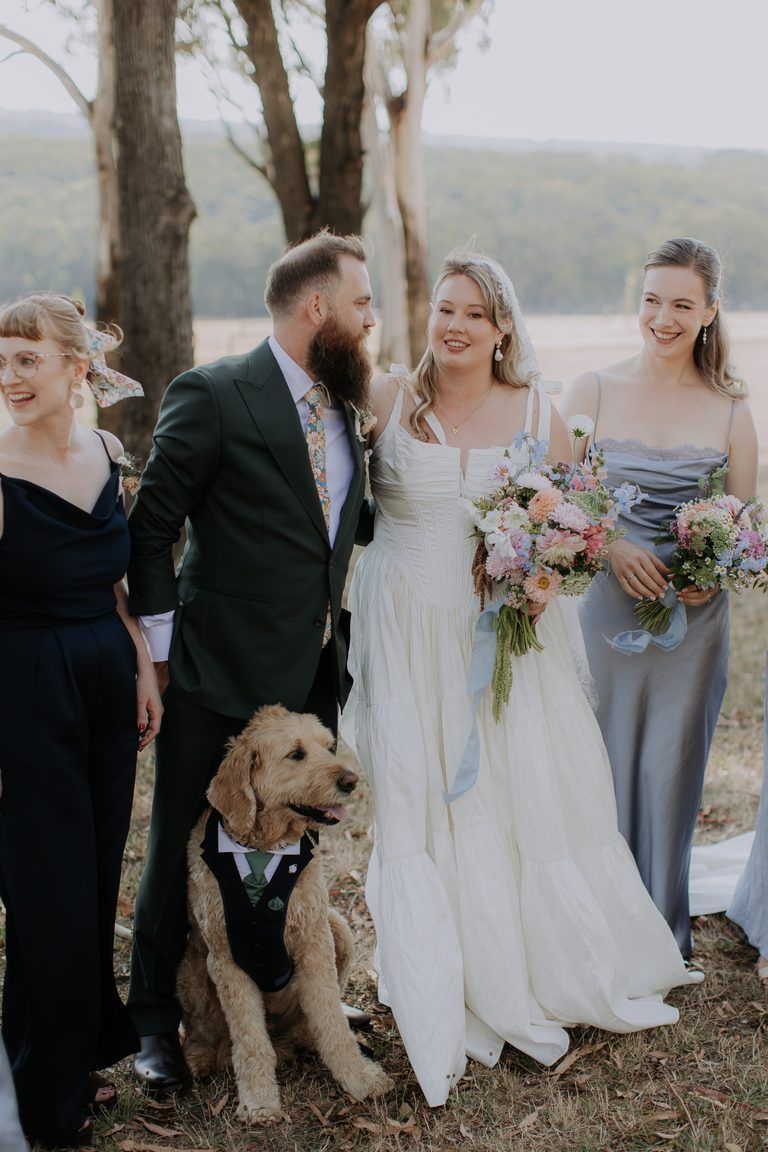
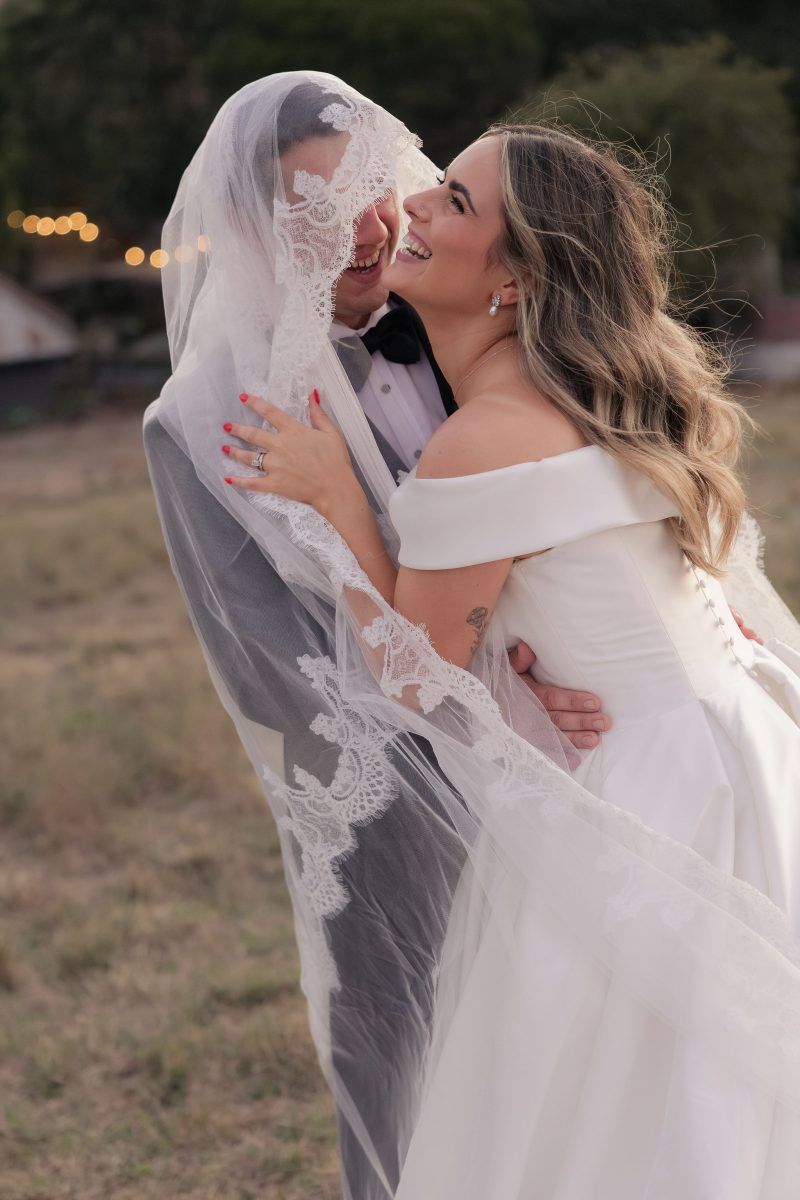
For me personally, I chose not wear a veil for my first wedding, and added a statement veil to my look for my second. I adored having that OTT moment, but as soon as the ceremony was over, that baby was coming off. I got some gorgeous photos with it and felt it elevated my simple blazer mini for the ceremony, but it was fun to take it off and free up my look for the reception.
The through line of this deep dive? The brides who felt best about their decision were the ones who’d thought about it, chosen with intention, then flowed with what worked practically during the different parts of the day.
Table of contents
- Do you need a wedding veil?
- What are the best alternatives to a wedding veil?
- Can you wear a veil and switch to something else for the reception?
- Is a custom veil worth it?
- How to choose the right veil for your wedding dress.
- Real brides on the veil decision: what they wore and why.
- What’s replacing the wedding veil in 2026?
- The bottom line.
Do you need a wedding veil?
Short answer: no. Long answer: it depends entirely on you.
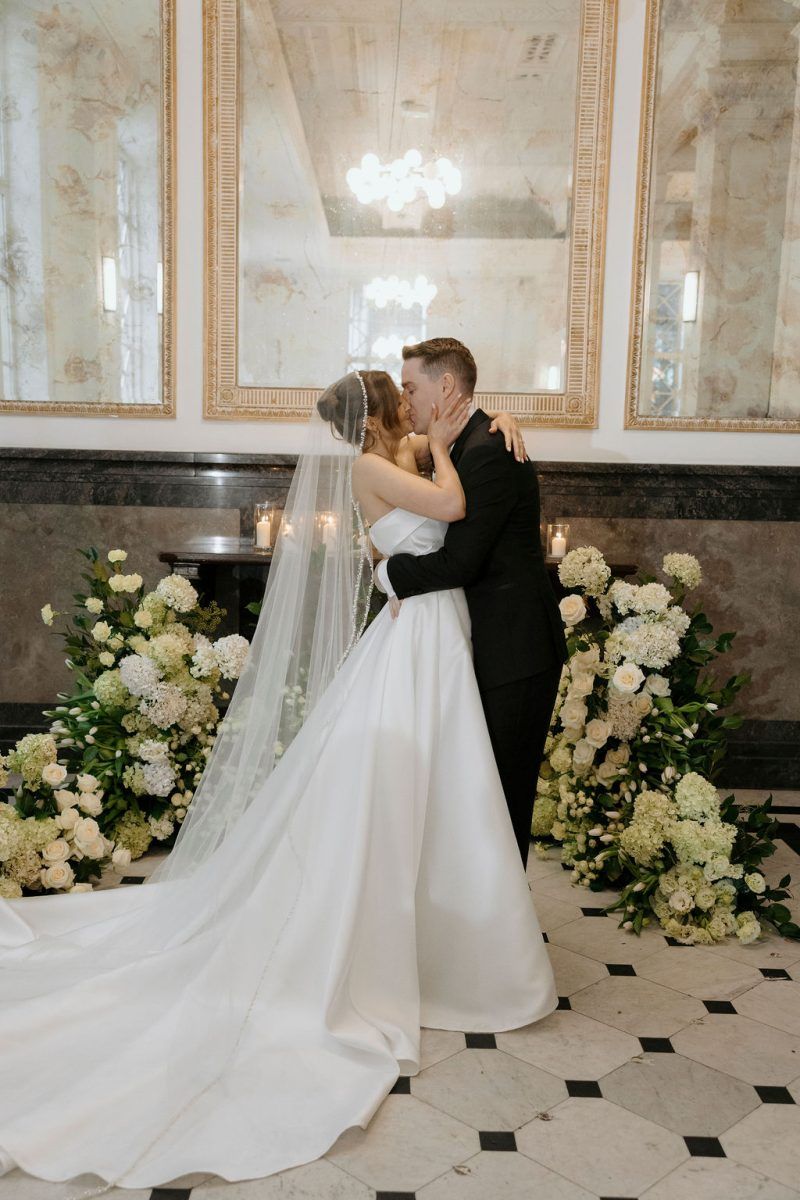
The veil has centuries of history behind it, originally tied to ideas of modesty, warding off evil spirits (true story!), and later becoming a symbol of bridal identity. But its role in modern Australian weddings has shifted. It’s no longer a requirement; it’s a styling choice. And like any styling choice, it should reflect the signature style of the person wearing it.
Sam from The Bridal Curator sees this evolution firsthand in her showroom:
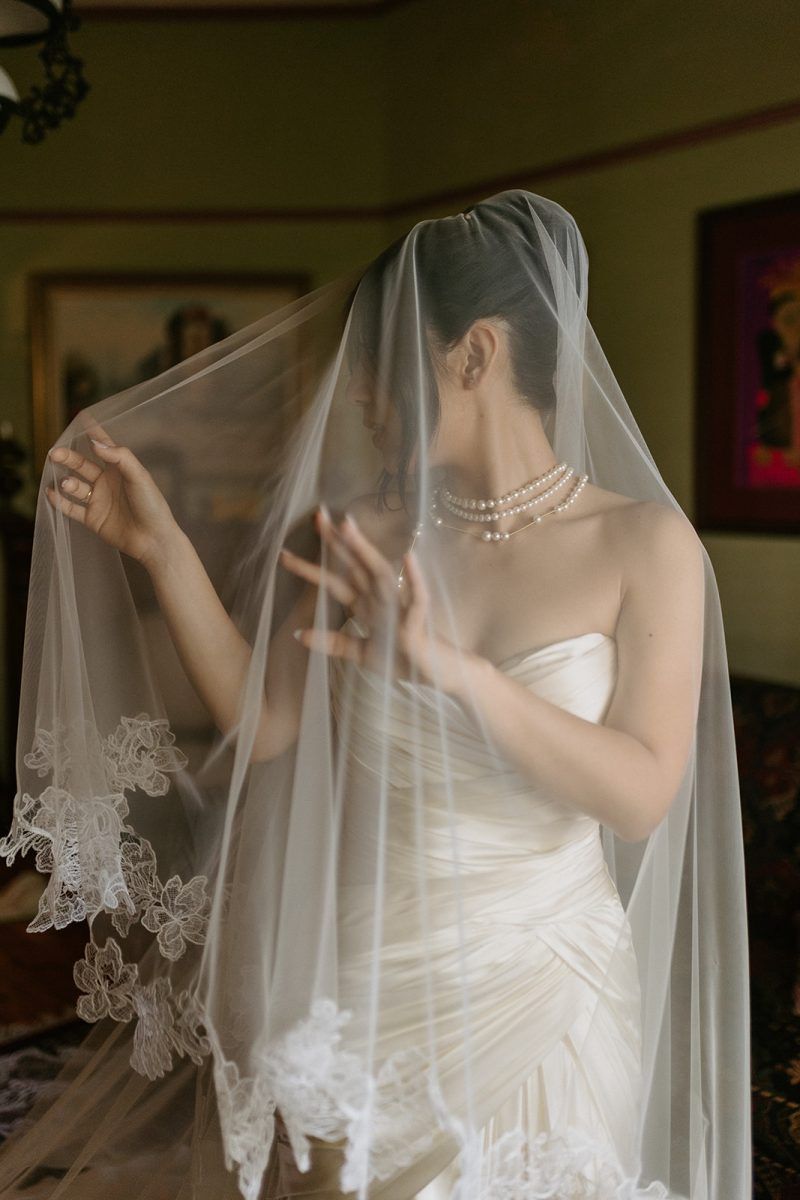
“I’ll be honest. Some of the most meaningful moments I witness in our showroom happen when a bride who arrived convinced she wasn’t ‘a veil person’ catches her own reflection in one for the first time. There’s something in the movement of quality tulle or silk chiffon that photographs and Pinterest boards simply can’t prepare you for.”
That reaction, catching yourself off guard, is something stylists see regularly. Which is exactly why Sam’s advice is consistent: try one on before you write it off.
“That said, the veil isn’t for everyone, and I would never push a bride toward tradition for tradition’s sake. What I do encourage is trying one on before ruling it out, because the fabric matters enormously. A stiff, synthetic veil and a floor-length French tulle are completely different experiences.”
Anastasia from Carte Blanche offers a similar perspective, framing the veil as a creative tool rather than a box to tick:
The veil, once a near non-negotiable, is no longer the defining marker of a bridal look — it’s a choice, and increasingly, one that brides feel free to question. For some, it remains a moment: that quiet pause before the ceremony, the softness it brings to a silhouette, the sense of tradition it carries. For others, it simply doesn’t align with how they want to feel.”
What are the best alternatives to a wedding veil?
If the veil doesn’t feel right, you’re far from limited. Some of the strongest bridal looks we’ve featured on Ivory Tribe in the last twelve months have involved no veil at all, and the alternatives are worth knowing about.
Anastasia says:
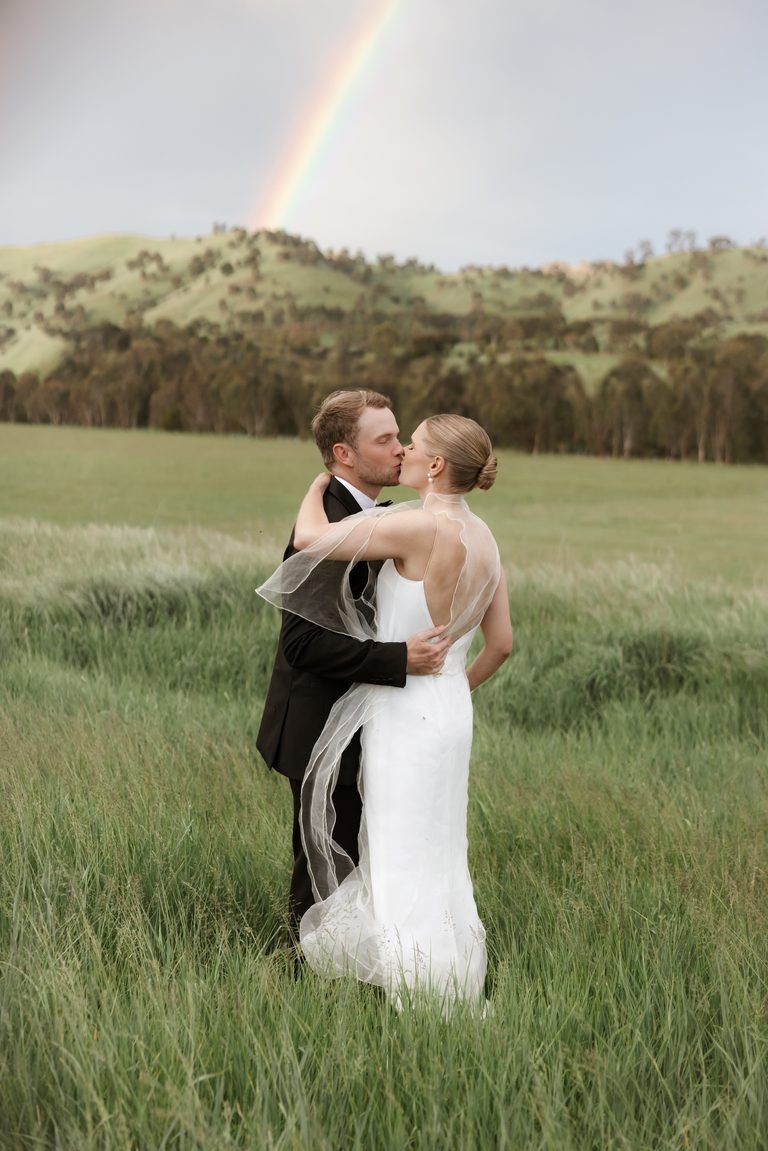
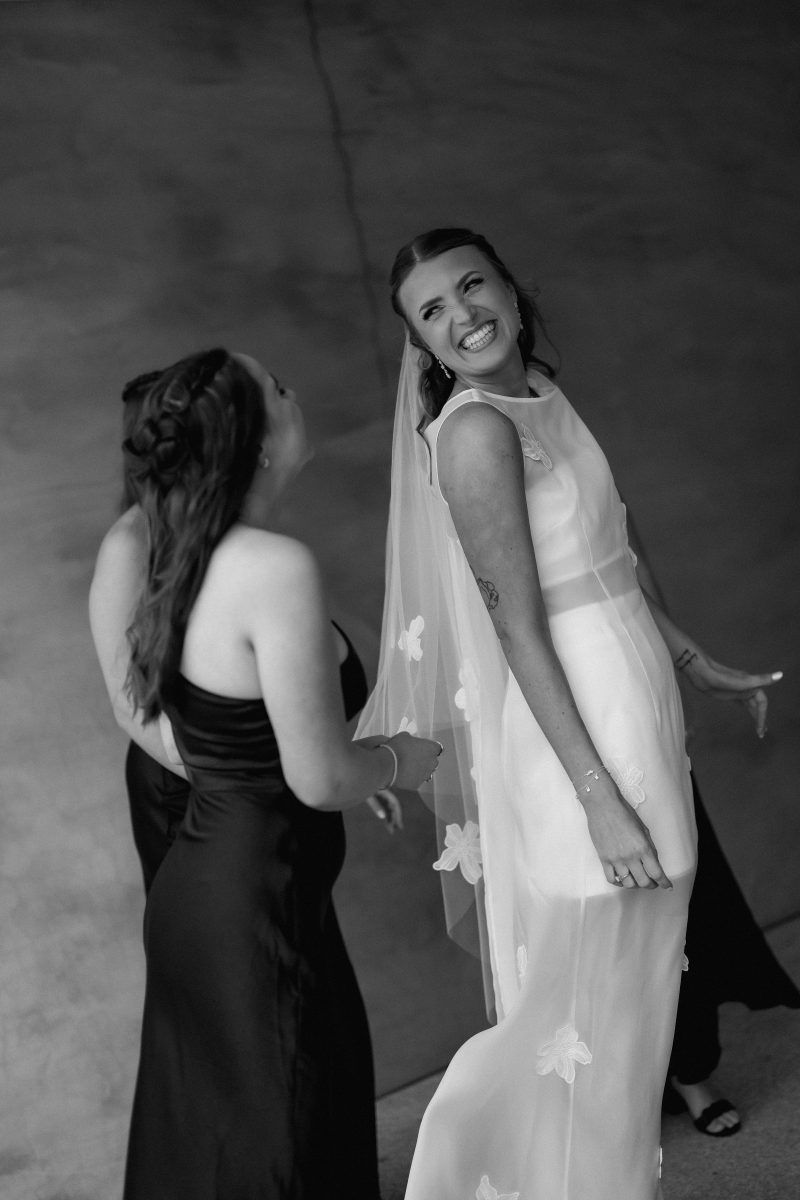
“We’re seeing brides turn to sheer capes that move with the body, silk scarves tied loosely at the neck or draped over the shoulders, and sculptural headpieces that feel closer to fashion than tradition. These alternatives offer impact without expectation — something memorable, but entirely personal.”
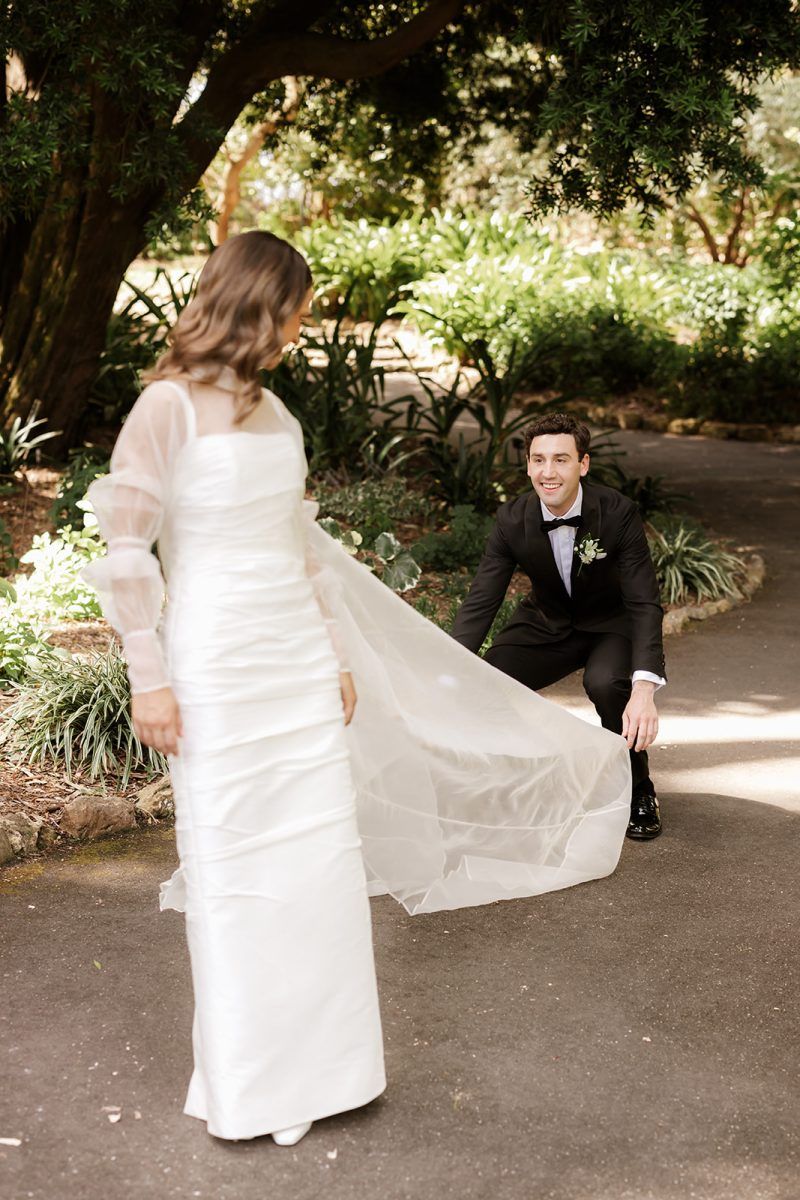
Bridal capes and cover-ups. Sheer capes that move with the body are having a serious moment. They offer the same sense of drama and sweep as a veil, but with a more fashion-forward edge. Some brides choose a cape for the ceremony and remove it for the reception — instant outfit change, no second dress required.
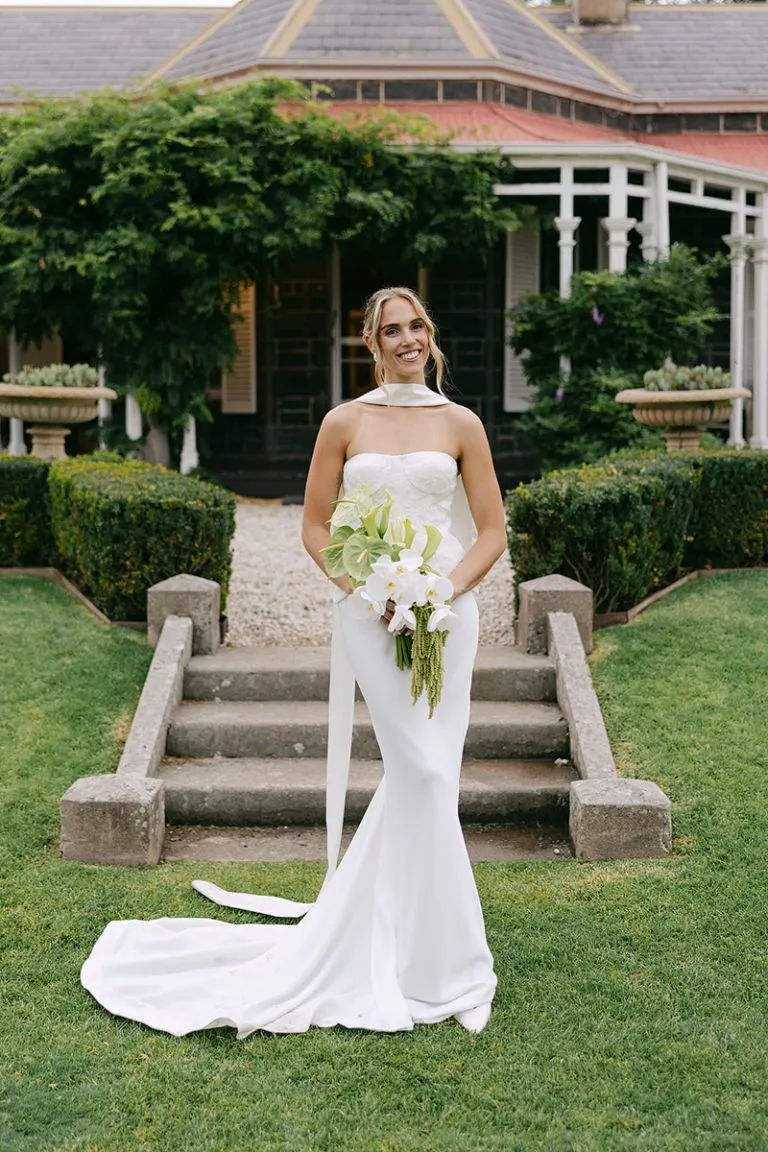
Silk scarves and neck ties. A silk scarf worn loosely at the neck or draped over the shoulders brings softness without the formality of a veil. This option works particularly well for brides who want a nod to something sentimental — a repurposed family piece, for instance — without the full bridal veil experience.
Sculptural headpieces. From architectural combs to pearl-encrusted crowns, headpieces allow you to make a statement that sits closer to fashion than tradition. These work beautifully with sleek, minimal gowns where a veil might compete with the silhouette.
Statement earrings. Sometimes the accessory that carries the most weight is the simplest one. As Sam from The Bridal Curator puts it:
“For those who want that ceremonial moment without the veil itself, I’ve seen brides achieve the same sense of occasion through a sculptural headpiece, a dramatic floral crown, or simply the way light catches an extraordinary pair of earrings as they walk in. The ‘statement moment’ is yours to define.”
Can you wear a veil and switch to something else for the reception?
Absolutely, and this is one of the most practical ways to get the impact of a veil and the ability to move freely for your reception.
Plenty of brides choose a veil for the ceremony and first look, then switch to a different accessory, or simply a more sleek look sans veil, for cocktail hour and the reception. It gives you the ceremonial moment and the epic photographs, without spending the entire night adjusting tulle.
Anastasia describes this as part of a broader shift in how brides approach their look:
“There’s a shift in how pieces are worn. A bride might choose a veil for the ceremony, only to replace it with a tailored blazer, an embellished hairpiece, or a softly wrapped scarf for the reception. The focus is less on adhering to a single look, and more on creating a sense of evolution throughout the day.”
— Anastasia, Carte Blanche
One of our community members, Jess, did exactly this — and her version had a sentimental twist:
“I was sooooo against a veil and decided on a neck scarf using my mum’s old veil instead. Then one month before my wedding I found an incredible hand beaded veil, which I rush ordered and ended up wearing both! Veil for first look and ceremony, neck scarf for cocktail hour and reception.”
— Jess
Jess’s story is a good reminder that the decision doesn’t have to be binary. You can honour a family piece and still find something new that excites you. And you can absolutely wear both.
Is a custom veil worth it?
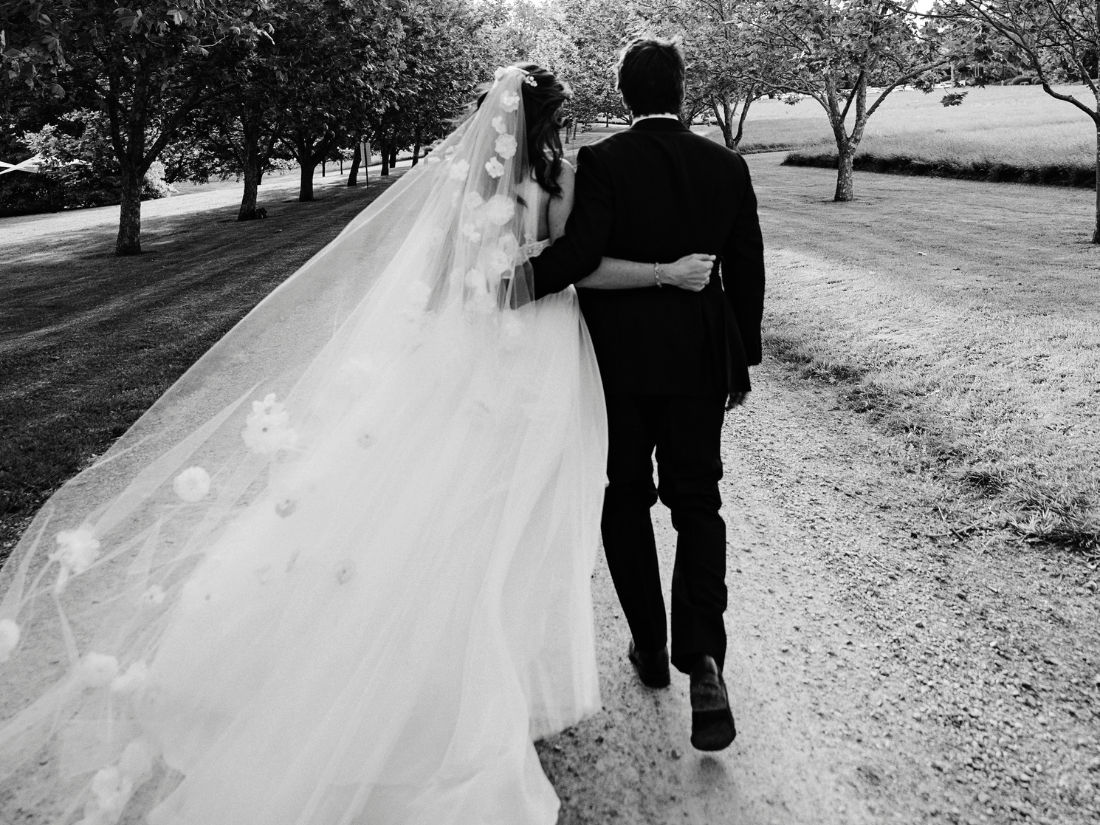
If you do decide on a veil, the quality and fit matter more than you’d expect. A custom veil (one designed to work with your gown, your venue, and your proportions) can elevate the entire look.
Luci Di Bella’s studio specialises in handcrafted veils, and their perspective on the value of custom work is clear:
“We don’t believe a veil is what defines a bride, nor that it should ever be a compulsory accessory. However, a custom veil can bring a unique sense of style and become a meaningful keepsake. Each of our veils is individually handcrafted in our studio, making every piece truly one of a kind.”
Sam reinforces the point about fabric quality being the differentiator. If you’ve tried on a veil and it felt stiff or unflattering, it’s likely the material, not the concept. French tulle, silk organza, and hand-finished edges feel entirely different to their mass-produced counterparts.
If budget allows, a custom veil also opens up options for personalisation: embroidered initials, lace that echoes the gown’s detailing, or a length and weight specifically tailored to your ceremony setting.
How to choose the right veil for your wedding dress.
If you’re leaning toward a veil, the styling conversation is as much about balance as it is about preference.
Anastasia offers a useful framework:
“From a styling perspective, the decision often comes down to balance. If the gown carries intricate detail, a veil can soften and frame it. If the look is more minimal or directional, an alternative — like a cape or headpiece — can introduce shape and edge.”
A few practical considerations worth thinking through:
Gown detail. Heavily beaded or lace gowns often pair best with a simple, sheer veil that doesn’t compete. If your gown is sleek and minimal, a veil with embroidery or a raw edge can add interest.
Venue and setting. An outdoor ceremony on a windy clifftop calls for a different approach than an indoor chapel. Long cathedral veils are beautiful but impractical in open-air settings, something shorter may serve you better. Or consider the veil for your entry to the ceremony, then asking your mother or maid of honour to remove it once you’ve made your way down the aisle.
Hair and styling. Your hairstylist should be part of this conversation. Some veil attachments work better with certain hair types and updo styles, and you’ll want to do a trial with the veil in place to avoid surprises on the day.
Pro tip: If you’re getting ready offsite, make sure someone travelling with you to the wedding knows how to put your veil in before the ceremony! Get your hairstylists to show them before they leave.
Ceremony logistics. If you’re planning a processional with family walking you down the aisle, factor the veil into your rehearsal. A long train of tulle and someone walking close behind you don’t always mix seamlessly.
Real brides on the veil decision: what they wore and why.
Sometimes the most useful perspective comes from the people who’ve already made the call. We asked our community to share their veil stories — the planned ones, the last-minute pivots, and the moments that didn’t go to script.
The aisle mishap.
“My Dad stood on my veil as he walked me down the aisle and it pulled me almost clean off my feet. The veil flew out of my hair and everyone gasped. We laughed about it at the reception, but in the moment I genuinely thought I was going down.”
The wind factor.
“We got married outdoors and it was a windy day. My veil was blowing in my face the entire ceremony — my bridesmaid ended up holding the end of it but it still went everywhere. I could barely focus on what our celebrant was saying. I loved the photos, but honestly, I wish I’d paused to remove it. The veil and an outdoor ceremony just didn’t mix.”
These are the stories that planning guides don’t always cover. They’re not reasons to rule out a veil, but they’re reasons to think practically about where and how you’re wearing it.
I shared more on this in a recent reel — including being open to the veil moment for the photos, then ditching it the second it starts taking you out of the moment. Watch it here.
What’s replacing the wedding veil in 2026?
The broader trend? Personalisation over tradition. The veil isn’t disappearing, but it’s being chosen deliberately rather than assumed.
Anastasia summarises the shift well:
“Ultimately, the question is no longer ‘should you wear a veil,’ but ‘do you want to.’ And if the answer is no, there’s never been more freedom — or creativity — in what comes next.”
What I’m seeing across real weddings featured on Ivory Tribe: more brides investing in statement veils that elevate their overall fit, or instead leaning in to intentional accessories or simple scarves to accent their style.
Epic, cathedral length veils are featuring more often this year (I’m here for the drama!) as are veils with embossed lace pieces, personalised typography and stunning scalloped edging.
Brides are taking this timeless tradition and infusing their own style and personality, and it’s making for stunning results.

The bottom line.
If someone tells you that you ‘have to’ wear a veil, they’re wrong. If someone tells you that veils are outdated, they’re also wrong. The decision is yours, and the best version of it comes from trying things on, talking to your stylist, and being honest with yourself about what makes you feel like you.
Try it.
Skip it.
Wear your mum’s and repurpose it as a scarf.
Walk down the aisle in a scarf and a pair of earrings that catch every beam of light. There’s no template for this, and that’s the whole point.
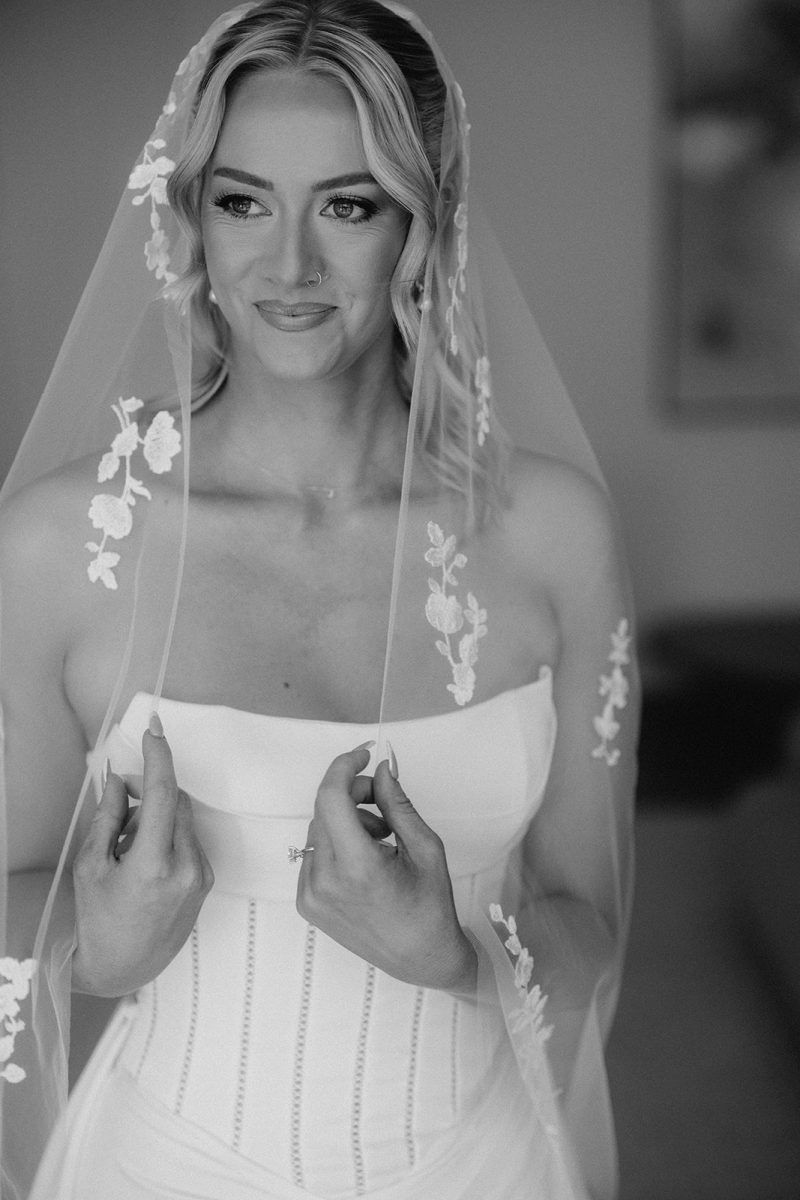
No. The wedding veil is a tradition, not a requirement. Many modern Australian brides choose alternatives like capes, silk scarves, headpieces, or no accessory at all. The decision should reflect your personal style and what makes you feel confident.
The most popular wedding veil alternatives include sheer bridal capes, silk neck scarves, sculptural headpieces, dramatic floral crowns, and statement earrings. Many brides are also choosing to wear nothing on their head, letting the gown speak for itself.
Yes, and this is increasingly common. Many brides wear a veil for the ceremony and first look photographs, then switch to a different accessory — or remove the veil entirely — for cocktail hour and the reception.
Consider the balance between your gown’s detail and the veil’s design. Heavily detailed gowns pair well with simple, sheer veils. Minimal gowns can carry a more embellished or statement veil. Your venue, hairstyle, and ceremony logistics should also factor into the decision.
A custom veil is tailored to your gown, venue, and proportions, and is typically made from higher-quality fabrics like French tulle or silk organza. It can become a meaningful keepsake. If budget allows, custom offers a noticeably different experience to off-the-rack.
Bridal stylists consistently recommend trying one on before ruling it out. The way quality fabric moves in person is difficult to replicate through photos or Pinterest. Many brides are surprised by their reaction when they see themselves in a well-made veil for the first time.
Dive in to more advice from our fashion experts on your wedding dress timeline.