Parents Contributing to your Wedding? How to Navigate Family Expectations Without Losing Your Vision
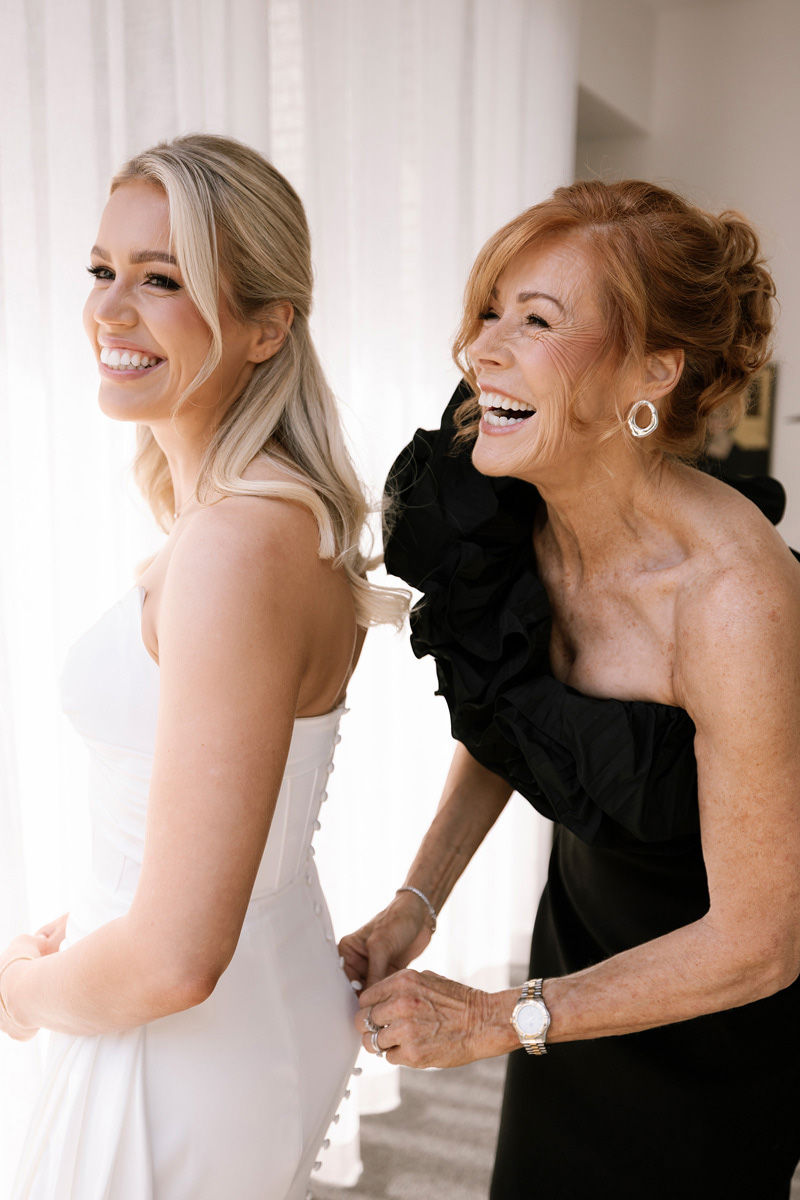
When parents offer to contribute financially to your wedding, it’s often an incredible gift. It can ease budget pressures, open up possibilities you hadn’t considered and allow loved ones to feel part of such a significant milestone. It’s also a huge privilege, and one I want to recognise up front is not available to every couple.
But let’s be honest: money can make things a little more complicated.
For many couples, the question isn’t whether parents should be involved, but how involved they should be. Does helping pay for the wedding mean they get a say in the guest list? The venue? The menu? Every decision?
If you’ve found yourself wondering where the line sits between family input and family control, you’re certainly not alone.
We spoke with wedding professionals who regularly see these conversations play out and asked how couples can balance gratitude, boundaries and family expectations while still creating a wedding that feels authentically theirs.
Table of contents
- Does Paying for the Wedding Mean Parents Get a Say?
- How Do You Set Expectations When Parents Are Paying for the Wedding?
- Where Is the Line Between Input and Control?
- Why Does This Get So Emotional?
- How Can You Include Parents Without Giving Up Control?
- How Are Couples Handling This in 2026?
- What if you’re paying for the wedding yourself?
- How Do You Say No Without Causing Conflict?
- Key Takeaways
- The Bottom Line
- Frequently Asked Questions
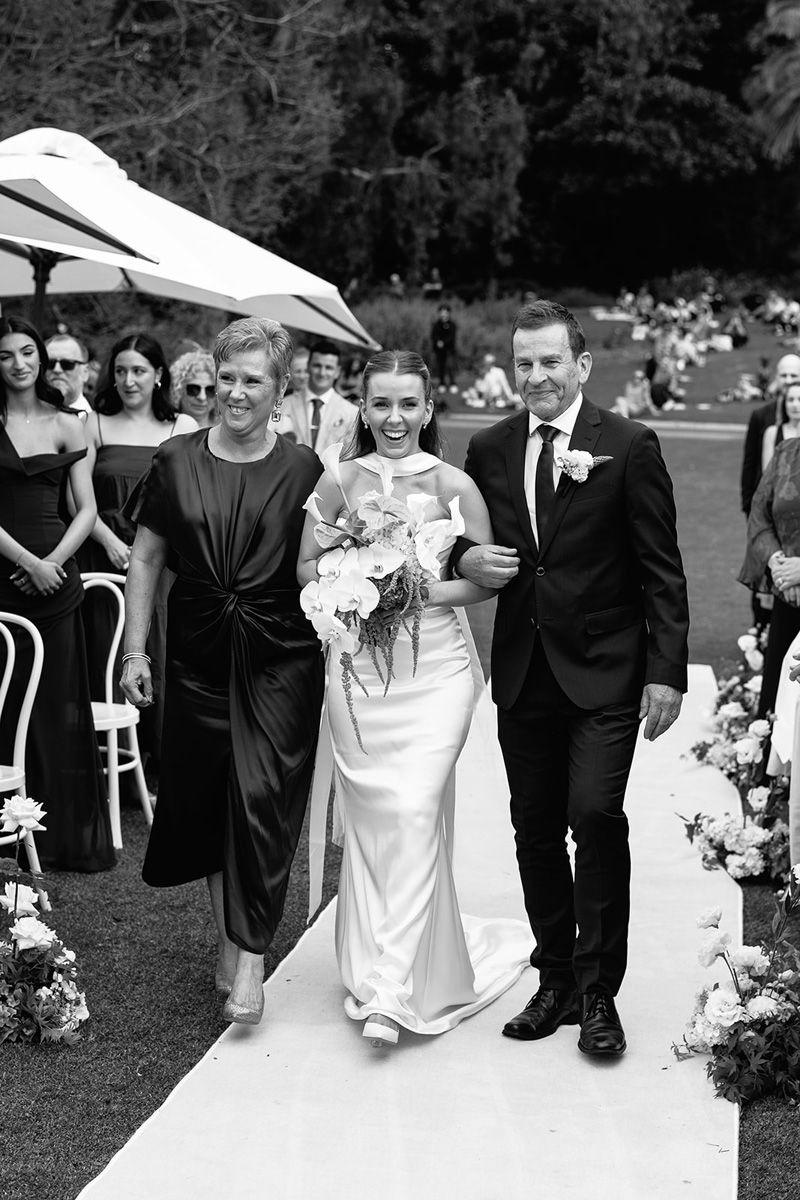
Does Paying for the Wedding Mean Parents Get a Say?
Short answer? Not necessarily.
While it’s completely understandable that parents may want to be involved when they’re contributing financially, helping pay for the wedding doesn’t automatically mean they get the final say on every decision.
The sweet spot usually sits somewhere between feeling included and handing over the reins entirely.
Candice, venue coordinator at Provenance Wines, says it’s natural for opinions to follow financial contributions.
“When parents contribute financially, it’s natural for opinions to follow and for a couple to feel an obligation. These opinions often come from a place of love, excitement and wanting to feel included.”
The goal isn’t to exclude family from the process. It’s to find a balance that allows loved ones to feel valued while ensuring the wedding still reflects you as a couple.

How Do You Set Expectations When Parents Are Paying for the Wedding?
It sounds obvious, but one of the biggest causes of wedding planning tension is simply that nobody has had the conversation.
Couples assume the contribution is a gift. Parents assume they’ll have some influence. Nobody means any harm, but before long you’re having a surprisingly heated discussion about a guest list that was never meant to become a battleground.
Candice believes the best time to discuss expectations is right at the beginning.
“The key is setting expectations early and honestly – also from a place of love.”
Wedding planner Kate from Hey Lovers agrees, saying that many of the tensions couples experience can be avoided with early, honest conversations.
“There is nothing better than having an honest and transparent conversation with your loved ones about their contribution very early in your wedding planning journey. It’s not always an easy conversation, but it’s one of the best ways to avoid confusion and misunderstandings later on.”
Kate encourages couples to approach the conversation in a relaxed environment, whether that’s over coffee, brunch or as part of an everyday conversation.
“It’s also okay to acknowledge that you find the conversation difficult. Being transparent from the outset can ease tension and help everyone approach the discussion with empathy.”
Questions Worth Asking Early
| Question | Why it matters |
| Is this contribution a gift or does it come with expectations? | Prevents misunderstandings later |
| Are there any traditions that are especially important to you? | Identifies priorities early |
| Which decisions are most important for us as a couple? | Creates clear boundaries |
| How will we handle disagreements? | Reduces future conflict |
| What level of involvement feels right for everyone? | Helps manage expectations |
These conversations don’t need to feel formal or uncomfortable. Think of them as laying the foundations for a smoother planning experience for everyone involved.
Kate also notes that parents and couples often enter these conversations with different assumptions based on their own experiences.
“Things have changed a lot since many parents got married. They may assume a level of involvement or decision-making authority based on what was common when they planned their own wedding.”
Clarifying expectations around both financial contributions and involvement early can help prevent those assumptions from becoming points of conflict later.

Wedding planning tension isn’t limited to family dynamics – many couples also experience disagreements with each other as decisions around budget, guest lists and expectations evolve. You can read more about that here: common wedding planning arguments and how to navigate them.
Where Is the Line Between Input and Control?
This is one of the most common questions couples ask when family money enters the equation.
According to Candice from Provenance Wines, contribution does not automatically equal control.
Instead, she encourages couples to create space for family input where it feels meaningful, while protecting the aspects of the wedding that matter most to them.
For some couples, that might mean giving parents ownership over a family tradition or a section of the guest list. For others, it may simply mean seeking advice while retaining final decision-making authority.
Another approach Kate from Hey Lovers often sees is parents contributing towards a specific element of the wedding rather than providing a general financial contribution.
“Parents might cover the photography and videography, the wedding gown or the florals rather than contributing a dollar amount to be spent wherever the couple chooses.”
She says this can create a natural boundary around involvement while still allowing parents to feel connected to a meaningful part of the celebration.
“It can be incredibly rewarding for parents to see that particular element come to life knowing they helped make it happen.”
Healthy Input vs Unhealthy Control
| Healthy Family Input | Crossing Into Control |
| Offering suggestions | Expecting veto power |
| Sharing family traditions | Overriding the couple’s wishes |
| Contributing names within an agreed guest allocation | Expanding the guest list without agreement |
| Providing advice when asked | Demanding final approval |
| Feeling involved in the process | Expecting ownership of decisions |
Every family dynamic is different, but having a shared understanding of where that line sits can save a lot of stress down the track.

Why Does This Get So Emotional?
Because for most families, it isn’t really about the wedding.
And this is where the perspective from the team at Shearing Shed – a wedding venue that often sees these conversations play out – feels especially refreshing.
They’ve seen firsthand that when parents become laser-focused on centrepieces, guest lists or napkin colours, the issue is rarely the centrepieces, guest lists or napkin colours themselves.
“What we often find is that parents who become heavily focused on details usually aren’t actually worried about the details themselves.”
Often, it’s something much bigger.
“For a lot of parents, seeing their child get married can be a really emotional transition. Even when they’re excited and supportive, there can also be a quiet grief in realising their child is grown up and building a life of their own.”
It’s a perspective we don’t hear enough.
While couples are immersed in planning one of the biggest days of their lives, parents are often navigating a significant chapter of their own. There can be immense joy and pride in watching your child get married, but also a recognition that family dynamics are shifting. It’s often why wedding planning conversations aren’t really about the napkins, flowers or seating plan at all – they’re about wanting to feel included, connected and part of the journey.
Understanding that doesn’t mean saying yes to every request, but it can make difficult conversations feel a whole lot less frustrating.
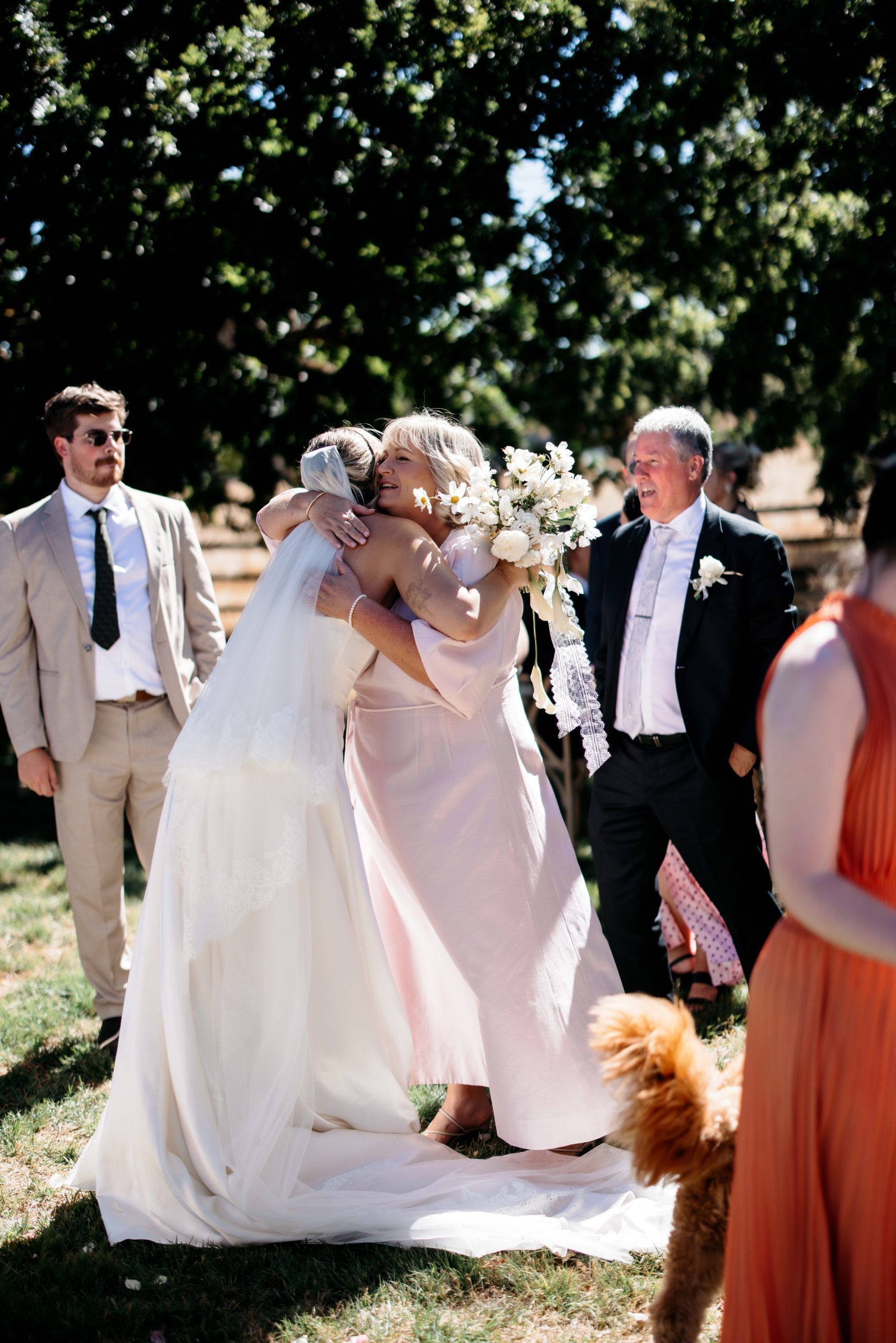
How Can You Include Parents Without Giving Up Control?
One of the most practical suggestions from the team at Shearing Shed is finding meaningful ways for family members to be involved without handing over every decision.
“These small tasks give people purpose and involvement without them needing to steer the entire ship.”
Rather than asking for opinions on every wedding detail, consider giving loved ones specific responsibilities that make them feel valued and included.
From helping with invitations and guest communications to sharing treasured family stories and traditions, there are countless ways to make loved ones feel part of the journey without turning wedding planning into a committee project.
The team at Shearing Shed also suggests thoughtful gestures on the day itself, such as a handwritten note at a parent’s place setting, a single stem flower or gifting your bouquet to a parent after the ceremony.
Small moments like these can go a long way in helping loved ones feel appreciated.

How Are Couples Handling This in 2026?
The good news? Most couples aren’t choosing between complete control and complete chaos.
What we’re seeing is a much more balanced approach.
Parents might have input into family traditions, cultural elements or a portion of the guest list, while the couple retains ownership of the overall vision. Others involve parents in planning discussions but make it clear from the outset that final decisions will sit with them.
Modern family structures can also make these conversations more complex.
As Kate from Hey Lovers points out, many couples today are navigating contributions from multiple households, including divorced and repartnered parents.
“There is no one-size-fits-all approach. In some cases there may be up to four groups of parents contributing financially to the wedding.”
When multiple contributors are involved, having a shared understanding of roles and expectations becomes even more important.
It’s less about drawing hard lines and more about creating clarity.
Because when everyone understands their role, there’s usually a lot less room for resentment.
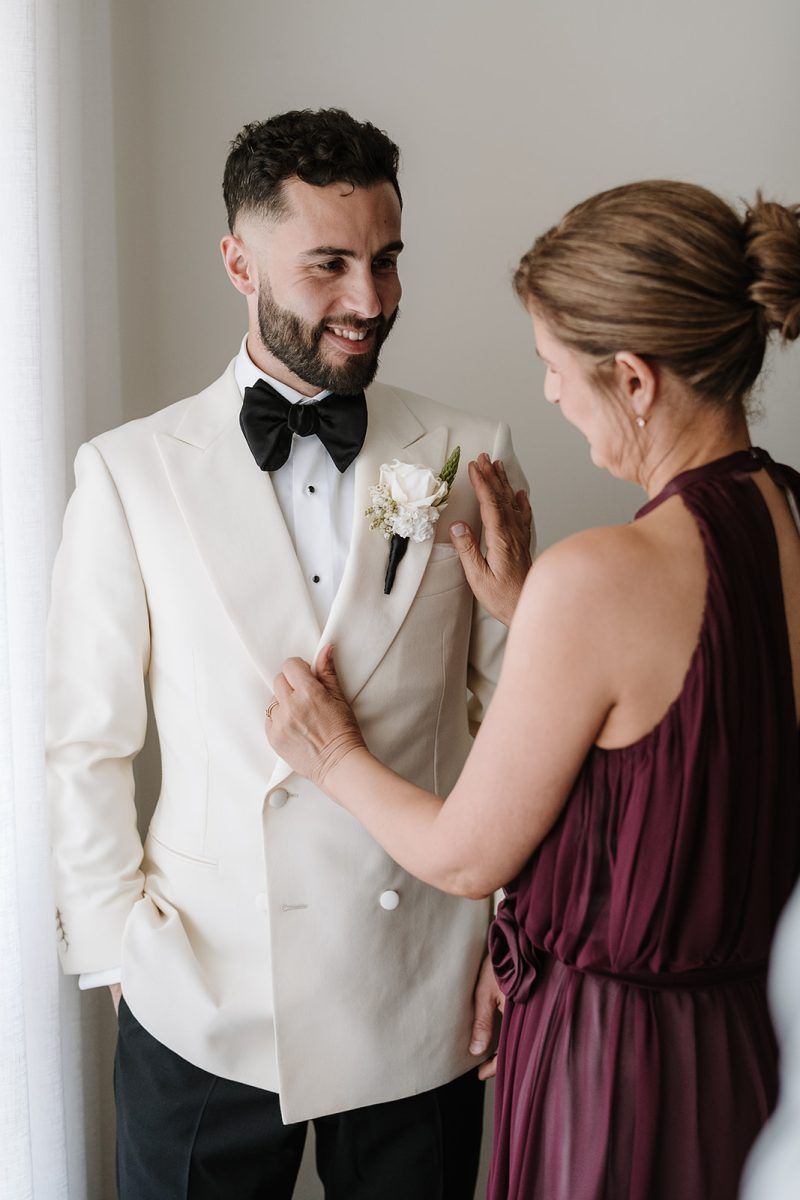
What if you’re paying for the wedding yourself?
Paying for your own wedding doesn’t necessarily remove the need for conversations about involvement.
According to Kate from Hey Lovers, parents can sometimes feel unsure where they fit into the planning process when they aren’t contributing financially.
“If you’re funding the wedding yourselves, it’s helpful to tell your parents what you would like them to be involved in so they don’t feel they’re overstepping.”
Whether that’s dress shopping, menu tastings or guest list discussions, inviting parents into specific parts of the journey can help them feel included without creating confusion around decision-making authority.

How Do You Say No Without Causing Conflict?
Boundaries don’t have to be harsh.
In fact, the team at Shearing Shed says a little kindness and reassurance often goes a long way.
One technique they recommend is what they call the “compliment sandwich”.
For example:
“That’s such a thoughtful idea.”
“We’re not sure flamingos quite fit the vibe of our rustic venue.”
“But we love how excited you are and that you’re helping us come up with ideas.”
It sounds simple, but acknowledging the intention behind a suggestion can help people feel heard, even when the answer is ultimately no.
Kate from Hey Lovers believes that most difficult conversations become easier when couples remember the intention behind the advice.
“Nine times out of ten, parents want nothing but the best for you both and any overstepping of boundaries is usually rooted in love, pride and excitement.”
Keeping that perspective in mind can make it easier to approach disagreements with empathy rather than frustration.

Key Takeaways
- Parents contributing financially doesn’t automatically mean they control wedding decisions.
- Setting expectations early can prevent many common planning tensions.
- Family opinions usually come from a place of love, excitement and wanting to feel included.
- Giving loved ones meaningful roles can help them feel involved without handing over decision-making power.
- Boundaries and gratitude can absolutely coexist.
- The most successful family dynamics often come down to communication, clarity and empathy.
The Bottom Line
The reality is, most parents aren’t trying to take over your wedding.
They want to feel included. They want to feel valued. And, more often than not, they want to help create a beautiful day for the people they love most.
The trick is finding a way to welcome that support without losing sight of what matters most: creating a celebration that feels unmistakably you.
As Candice from Provenance Wines reminds us, family opinions often come from a place of love and excitement. Kate from Hey Lovers encourages couples to set expectations early, creating clarity around both financial contributions and family involvement. And as the team at Shearing Shed observes, many planning tensions stem from deeper emotions around change, connection and family dynamics.
Boundaries don’t have to be rigid. Conversations don’t have to be confrontational. And family involvement doesn’t have to come at the expense of your vision.
With a little communication, a little empathy and a lot of clarity, it’s entirely possible to have both.

Frequently Asked Questions
In most cases, parents contributing financially will naturally want some level of involvement, but that doesn’t automatically mean they have control over wedding decisions. The best approach is to discuss expectations early and agree on how decisions will be made before planning gets underway.
Start with open and honest conversations about what matters most to you as a couple. Be clear about where you’d like input and where you’d prefer to make decisions yourselves. Remember, boundaries don’t have to be confrontational – they can be communicated with kindness, gratitude and clarity.
Try to understand the motivation behind their concerns before responding. Often, disagreements aren’t really about the wedding details themselves, but about wanting to feel included and involved. Listen to their perspective, acknowledge their feelings and explain why certain decisions are important to you.
Giving loved ones meaningful roles is a great way to help them feel included. Tasks like helping with invitations, coordinating guest communications, researching accommodation options or sharing family traditions can create involvement without requiring them to make key decisions.
Every family is different, but the same principles apply whether it’s parents, stepparents or parents-in-law contributing financially or offering advice. Clear communication, agreed expectations and mutual respect can help everyone feel involved while ensuring the wedding remains a reflection of the couple.
Great wedding vendors don’t just execute a vision – they help support couples through the emotional and relational layers of planning as well. We’ve unpacked this further in how wedding vendors go above and beyond for their couples.