Mindful Wedding Budgeting: Where to Invest vs Where to Save
In an era where many Australians are juggling finances due to the rising cost of living, the question isn’t simply “How much will it cost?” but rather “Where should we direct our resources for maximum meaning?” From setting initial budgets to making those inevitable trade-offs, mindful wedding planning is about aligning your spending with what truly matters to you as a couple.
We asked our community to share their approaches to wedding budgeting, and their insights reveal that successful celebrations aren’t about limitless resources – they’re about thoughtful allocation.
Defining your financial boundaries.
Before diving into vendor meetings and Pinterest boards, establishing a clear financial framework can save countless hours of deliberation (and potential disagreements) later.
“We decided on a budget we were content with from day one, and worked backwards from there,” shared one of our readers, highlighting the importance of starting with a clear ceiling.
This sentiment was echoed: “We had a budget and then worked backwards. This worked well for us.”
For couples unsure where to begin, bride Lauren offers practical first steps: “It was hard to set a budget before we began planning. So firstly, I needed to inquire to know how much things cost.”
And bride Marila reminds us of an often-overlooked reality: “Get quotes early! Then make choices. You can’t budget unknowns. And read contracts!”
Identifying your non-negotiables.
Perhaps the most consistent advice from our community centred around identifying what matters most – then building your budget around those priorities.
“Pick two to three non-negotiables and budget around them!” advises Rebecca, while Phoebe suggests couples “Be clear on what your non-negotiables are / what’s really important to you as a couple.”
Dee of Finder Seeker Photography frames it succinctly: “Plan your wedding budget by prioritising what is most important to you, then work backwards.”
This prioritisation approach allows couples to make peace with compromises in less meaningful areas. As photographer Phoebe Dunn explains: “Spend bigger on vendors that are the most important to you and save money elsewhere.”
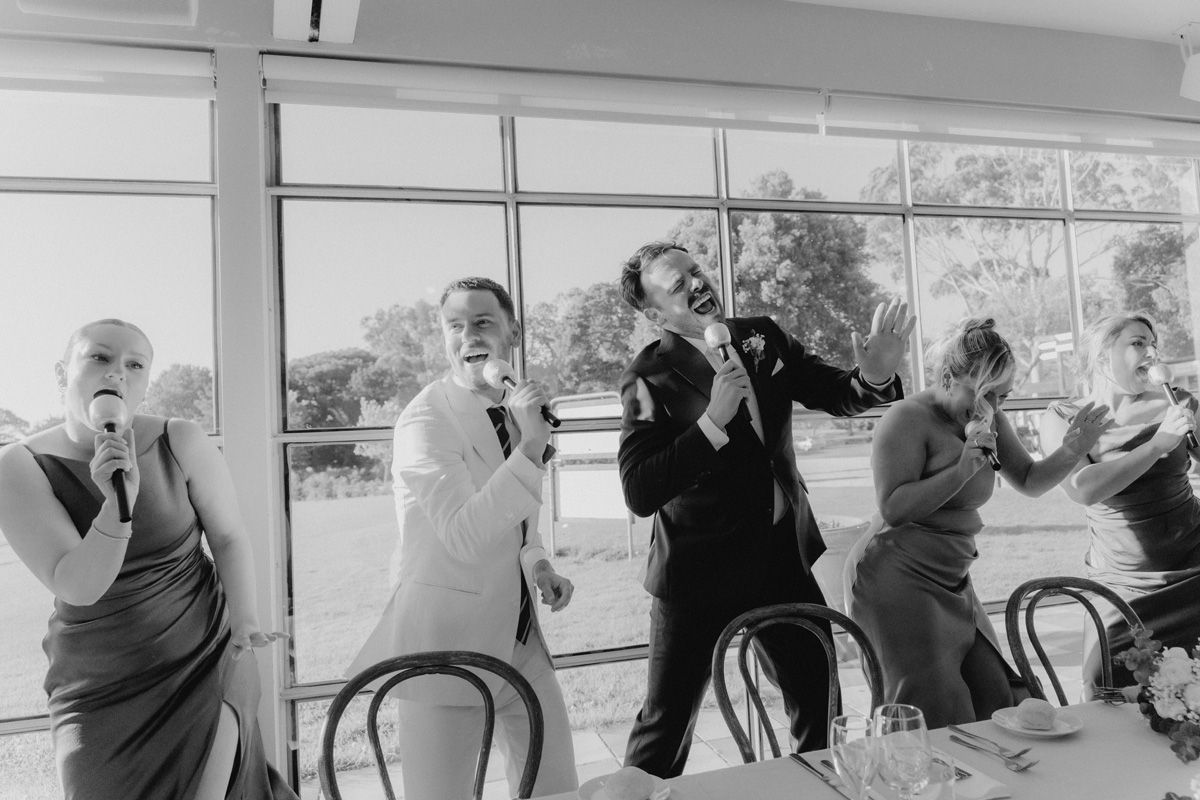
For bride Caitlin, this meant investing in exceptional music: “Work out what’s important to you, for us it was the music, so we splurged on that.”
The Excel method.
For the analytically-minded couples, spreadsheets emerged as the weapon of choice in maintaining budget clarity.
“I wrote a list with an estimated budget for every item, then I added how much it actually costs,” shared Em, demonstrating the value of tracking estimated versus actual costs.
Elise took this approach a step further: “We had an Excel sheet on what mattered most to us and what we were both happy to cut costs on.”
This methodical approach allowed couples to make decisions based on data rather than emotion alone – particularly valuable when unexpected costs arise, as Emily discovered: “We had a rough idea but had to increase it when we realised the cost of things including the venue.”
Industry perspectives.
Wedding professionals offered valuable insights from their side of the industry, with Cam of Anchor and Hope Photography advocating for transparency: “Respect clients’ budgets – don’t try to convince them to include things they don’t need!”
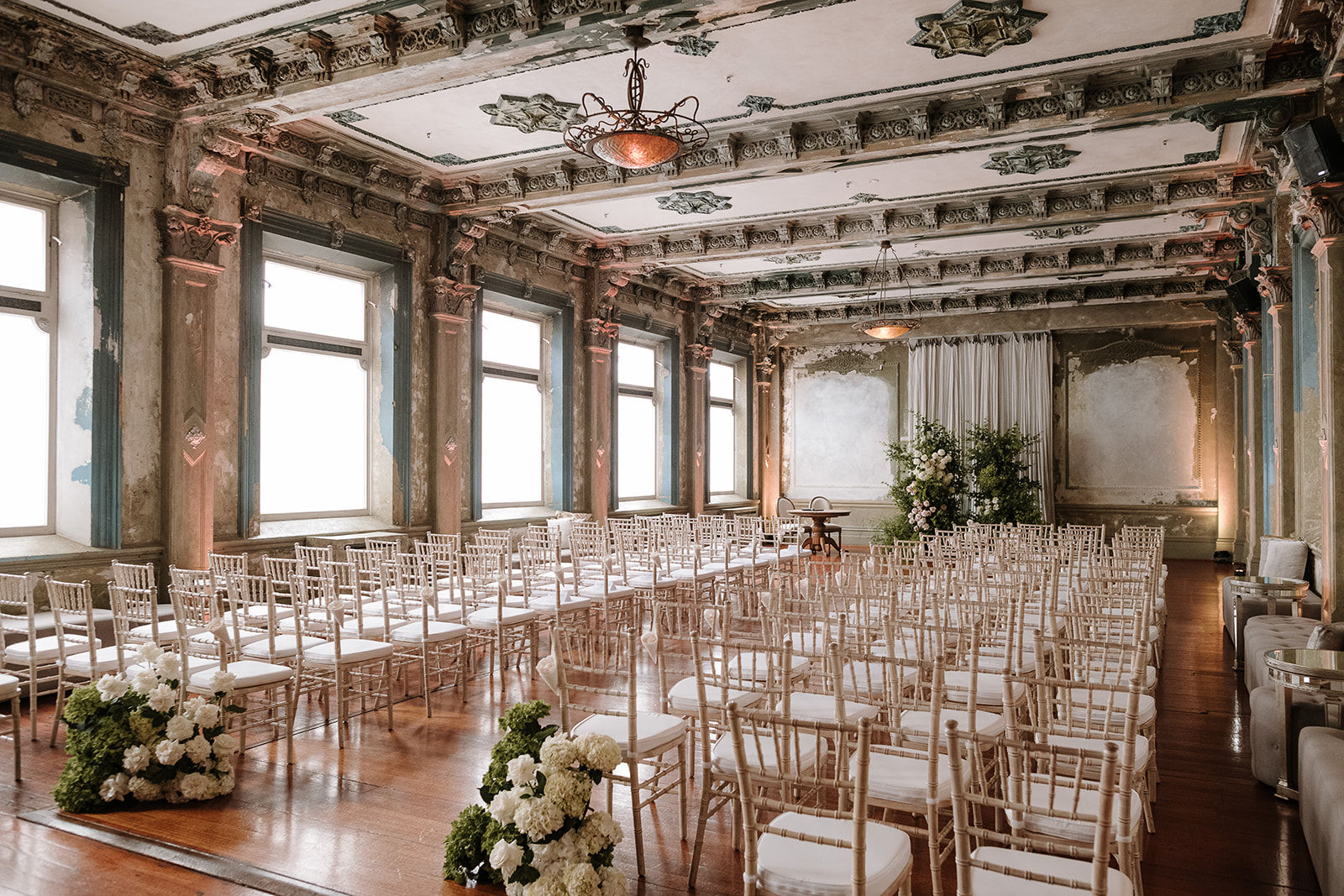
Photographer Keera Hoogendorp shared a practical venue tip: “A venue that photographs beautifully on its own can avoid so much cost on flowers and decor!”
Creative approaches.
Some of the most interesting responses revealed effective strategies for managing wedding finances.
“Give yourself three things you want to really enjoy ($$) and then learn to be savvy,” suggests Vicky, acknowledging that selective splurging can coexist with overall budget consciousness. Many readers shared similar wisdom, prioritising their most important elements first, then breaking the rest down according to your available spend – with Excel seemingly the budgeting tool of choice.
And Chloe shared this lighthearted comment – “my wedding budget created itself 😅😭” – serving as a sweet reminder that sometimes the best path can be to go with your instincts!
Making peace with reality.
Perhaps one of the most refreshing insights came from Bella, who shared: “Over budget on lots of things to feel better when they were less 😰.”
This psychological approach – setting slightly higher estimates than expected – can create breathing room in your budget and moments of relief when costs come in lower than anticipated.
The art of mindful trade-offs.
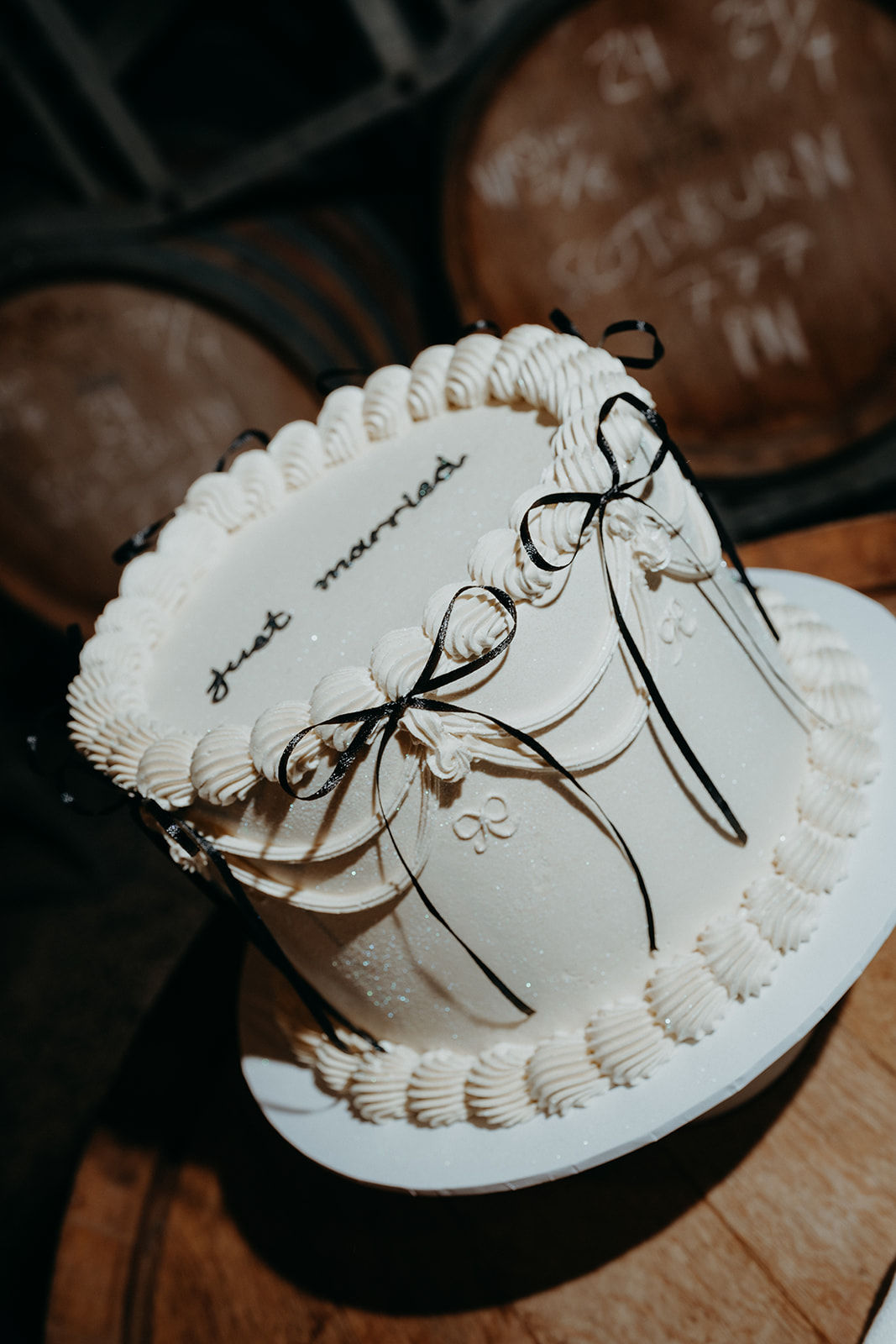
What emerges from these collective insights is that successful wedding budgeting isn’t about finding ways to afford everything – it’s about making intentional trade-offs that honour what matters most to you as a couple.
This might mean investing in extraordinary photography while choosing a venue that requires minimal decoration, as Keera Hoogendorp suggested. It could mean prioritizing an unforgettable menu while selecting in-season flowers to reduce floral costs. Perhaps considering Or perhaps it’s about working out how to transfer certain décor elements across the celebrations – like the ceremony florals moving to the reception venue.
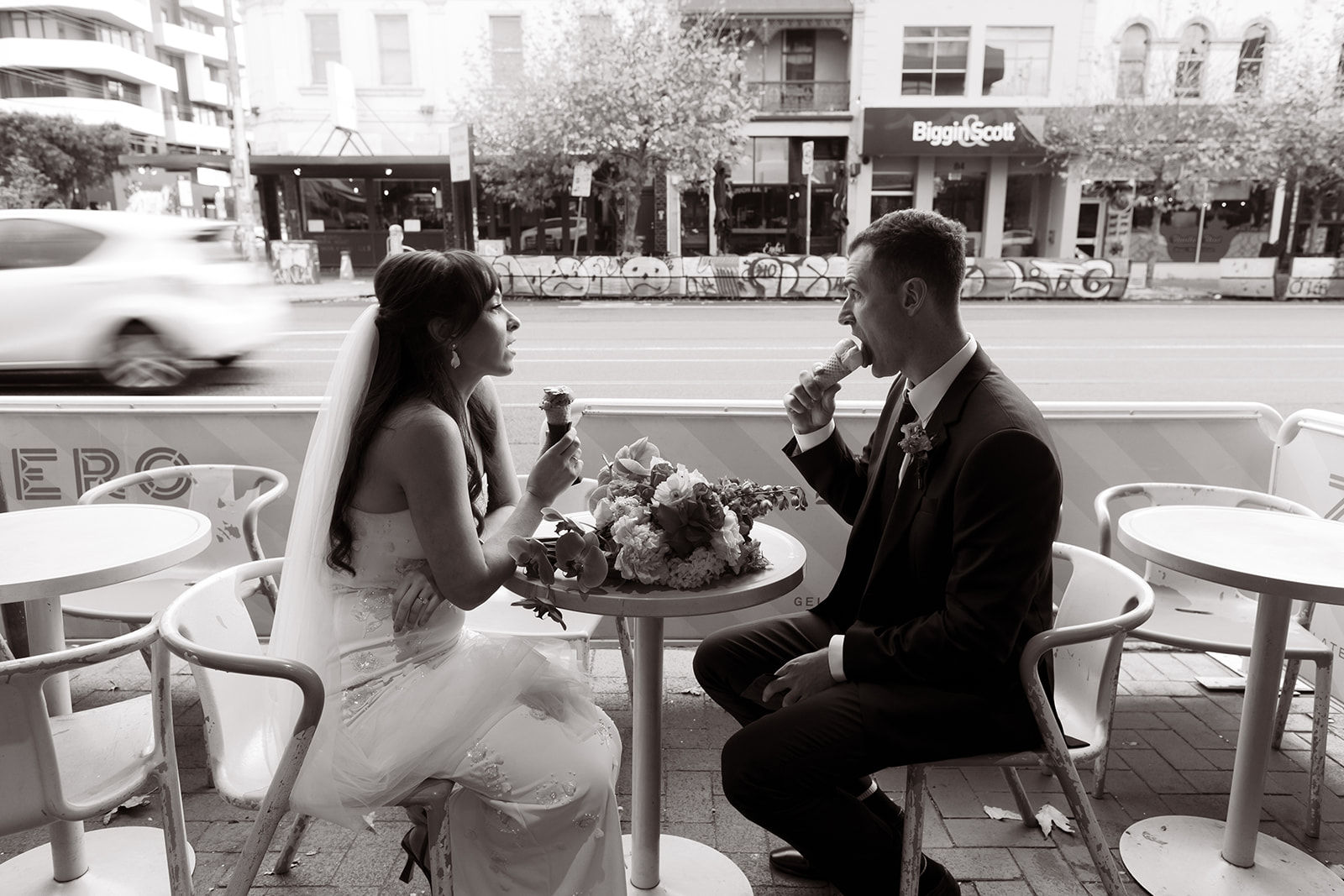
The most successful approach allows your priorities to guide your spending, creating a celebration that feels authentic rather than formulaic. As one of our real wedding couples shared: “We realised we’d remember how it felt far longer than how it looked.”
Finding support in the process.
If budget conversations feel overwhelming, remember you’re not alone. Many of our featured wedding professionals offer consultation services specifically designed to help couples navigate these decisions.
Beyond professional guidance, couples who establish clear communication practices around money often find the wedding planning process strengthens rather than strains their relationship. Setting regular “budget check-in” dates, agreeing on a process for making financial decisions, and celebrating small wins along the way can transform potentially stressful conversations into opportunities for connection.
Last words.
As Phoebe wisely advises: “Have the big discussions with family members early on if they’re contributing financially.”
When financial contributions come from family, early conversations about expectations and decision-making authority can prevent misunderstandings later. Approach these discussions with gratitude, clarity, and a unified vision as a couple.
Remember that a mindfully planned celebration – one that reflects your values, priorities, and relationship – creates a foundation not just for a meaningful wedding day, but for the thoughtful financial partnership that follows.
After mindfully allocating your wedding budget, it’s time to select the vendors who will bring your vision to life. Explore our curated collection of Melbourne wedding venues that offer exceptional value and versatility – perfect for couples who know exactly where they want to invest their resources.